
Top 15 HR Tools to Boost Efficiency in 2026
14 minutes
31st of January 2026
In this article:
- Top 15 HR Tools to Transform Your Business in 2026
- Spreadly
- Rippling
- HiBob
- Gusto
- Workday HCM
- ADP Workforce Now
- Paycor
- Paylocity
- Lattice
- Oracle HCM Cloud
- Namely
- BambooHR
- Leapsome
- Zoho People
- Workable
- Paychex Flex
- Making the Right Choice for Your Organization
Top 15 HR Tools to Transform Your Business in 2026
The landscape of human resource management continues to evolve rapidly as organizations seek more efficient ways to handle employee data, streamline recruitment processes, and improve overall workforce management. In 2026, HR technology trends are dominated by AI-powered solutions, integrated platforms, and tools that prioritize employee experience alongside administrative efficiency. Companies of all sizes now recognize that investing in the right HR software can dramatically reduce manual workload, improve compliance, and create better experiences for both HR teams and employees. Whether you're a startup looking for basic employee management features or an enterprise requiring comprehensive human capital management systems, selecting appropriate HR tools has become mission-critical. This comprehensive guide explores fifteen leading solutions that are reshaping how organizations manage their most valuable asset: their people.
Spreadly
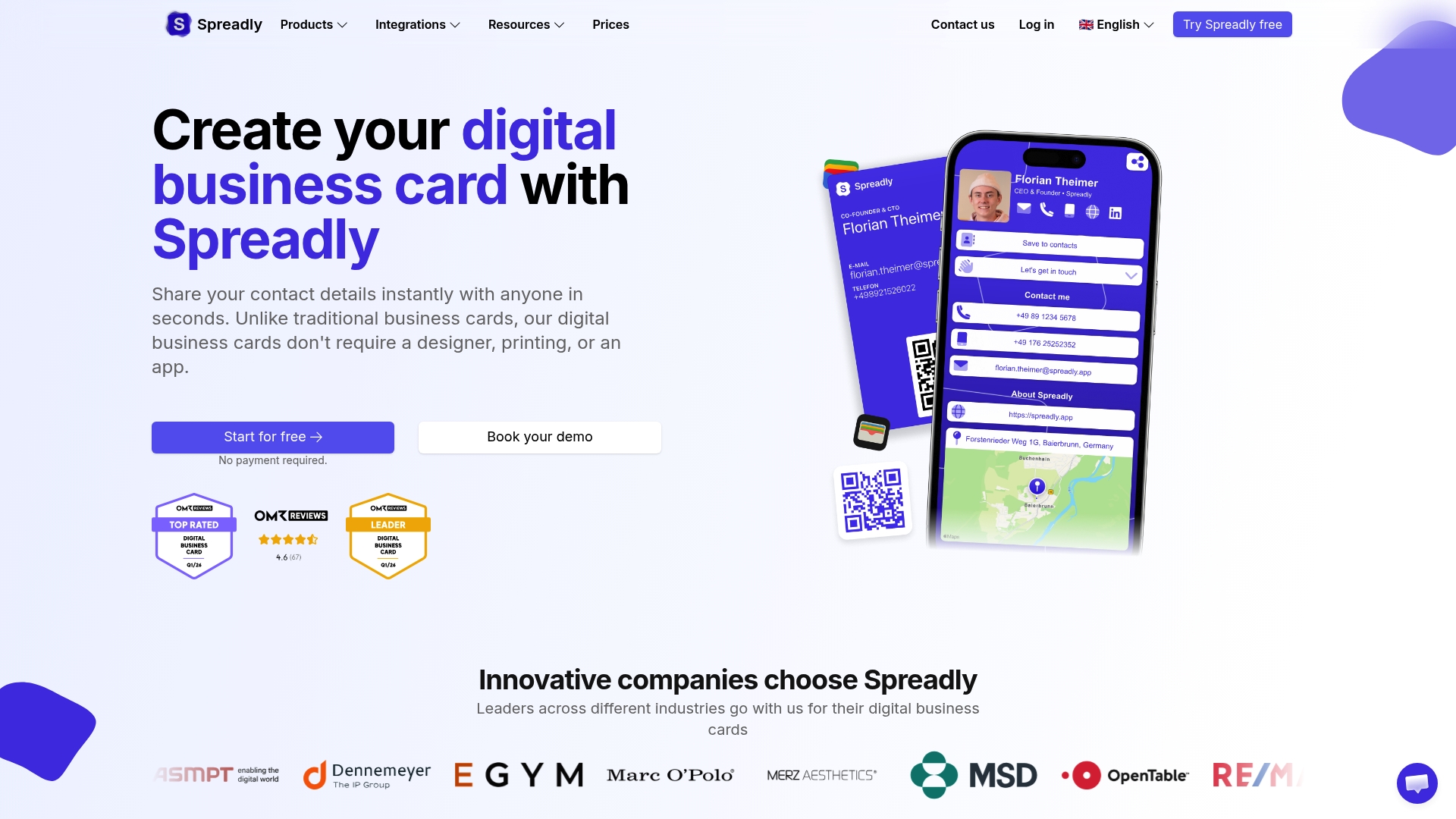
While traditionally known for networking solutions, Spreadly has emerged as a valuable HR tool particularly for organizations prioritizing employee networking, engagement, and professional identity management. The platform provides digital business cards for companies with seamless integration capabilities that connect directly to major HR systems including Microsoft Entra ID, BambooHR, and Personio. This integration ensures employee contact information remains automatically updated across all touchpoints, eliminating manual data entry and reducing errors. For HR departments managing large teams, Spreadly offers centralized control over employee profiles, enabling bulk updates and consistent branding across the organization. The platform supports sharing via QR codes, NFC technology, and digital wallets, making professional networking frictionless for employees at conferences, client meetings, or networking events. Companies using Spreadly report 38 percent more engagement and up to 630 percent increase in follow-ups compared to traditional paper cards. The solution proves particularly valuable for sales teams, HR managers accelerating onboarding processes, and organizations with remote or hybrid workforces who need modern ways to maintain professional connections. With HR integrations for automated user management and GDPR-compliant data handling, Spreadly addresses a unique niche in the HR technology stack while contributing to improved employee engagement and company-wide networking efficiency.
Rippling
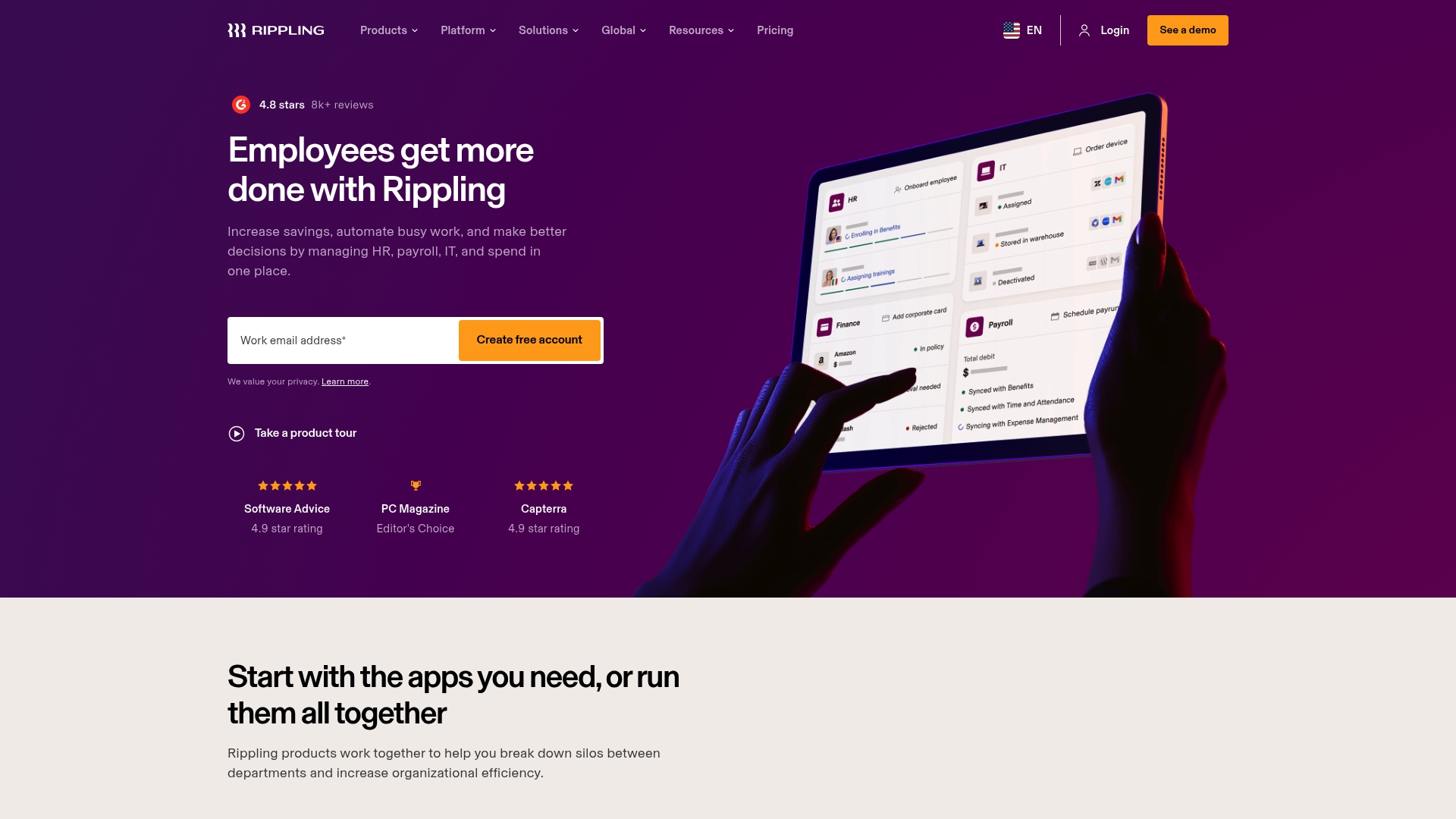
Rippling stands out as a comprehensive platform that unifies HR, IT, and finance operations into a single system. The platform excels at automating complex workflows across payroll processing, benefits administration, device management, and app provisioning. What sets Rippling apart is its ability to handle the entire employee lifecycle from hiring to offboarding with remarkable automation—when you add a new employee, the system can automatically provision their laptop, grant appropriate software access, enroll them in benefits, and add them to payroll. The platform serves businesses of all sizes but proves particularly valuable for companies experiencing rapid growth or managing distributed teams. Rippling's modular approach allows organizations to select only the features they need while maintaining the flexibility to expand as requirements evolve. The system integrates with over 500 applications, creating a centralized source of truth for employee data that flows seamlessly across various business systems. For HR teams tired of juggling multiple platforms and manual data entry, Rippling delivers operational efficiency that translates to significant time savings and reduced administrative overhead.
HiBob
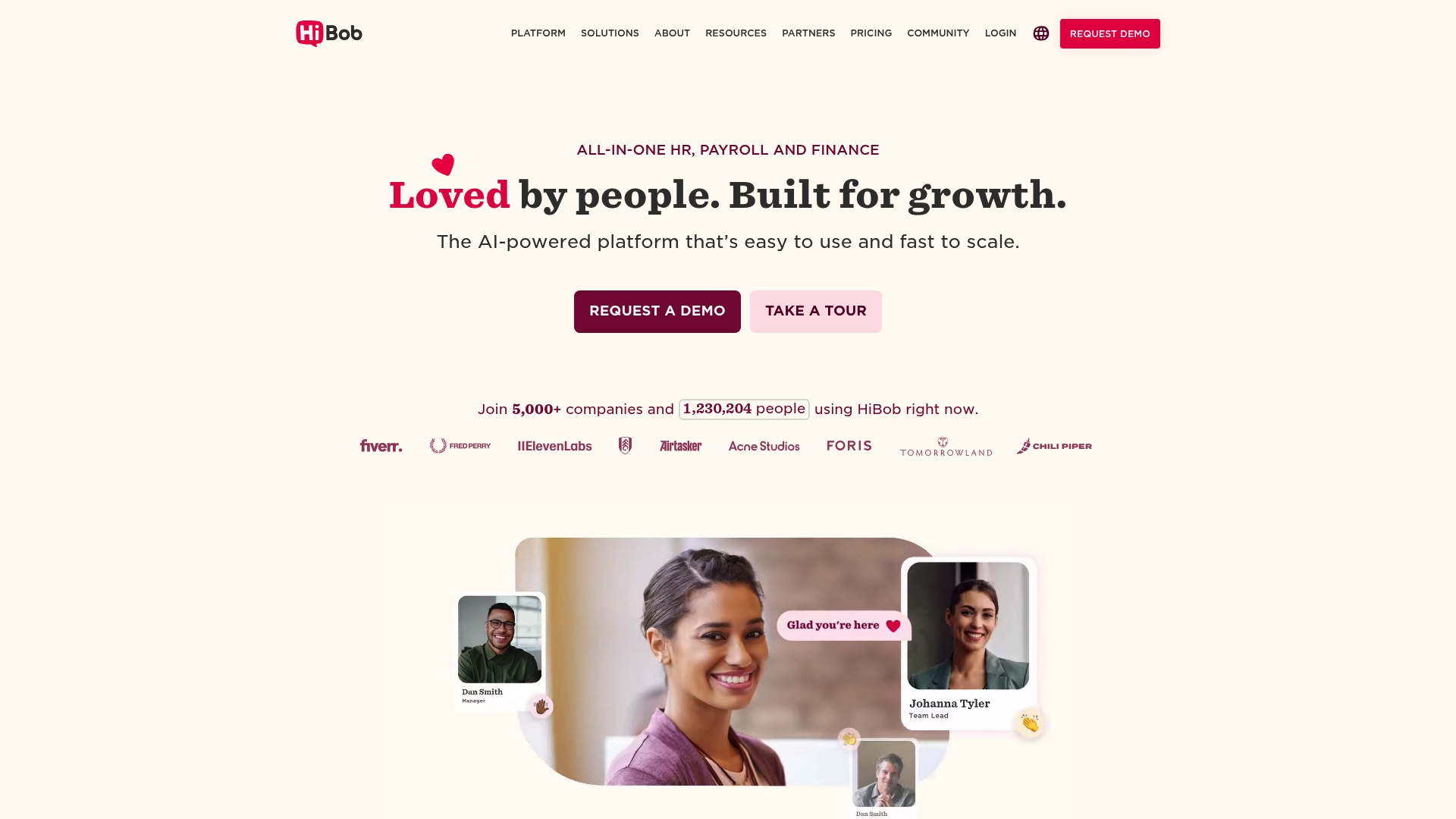
HiBob has built its reputation around creating an HR platform that people actually enjoy using. Bob, as the platform is commonly called, focuses heavily on employee experience and engagement while delivering robust core HR functionality. The platform provides comprehensive tools for managing the complete employee lifecycle including onboarding, performance management, compensation planning, and time-off tracking. HiBob particularly appeals to modern, growing companies with distributed workforces who need flexible, cloud-based solutions. The platform's interface prioritizes intuitive design and mobile accessibility, recognizing that today's employees expect consumer-grade experiences from workplace tools. One standout feature is Bob's approach to people analytics, providing HR teams with actionable insights into workforce trends, retention risks, and engagement levels. The system also offers strong customization capabilities, allowing companies to tailor workflows, fields, and processes to match their unique organizational structures. For mid-market companies seeking a balance between functionality and user experience, HiBob delivers a modern HR solution that supports both strategic people initiatives and day-to-day administrative needs without overwhelming users with unnecessary complexity.
Gusto
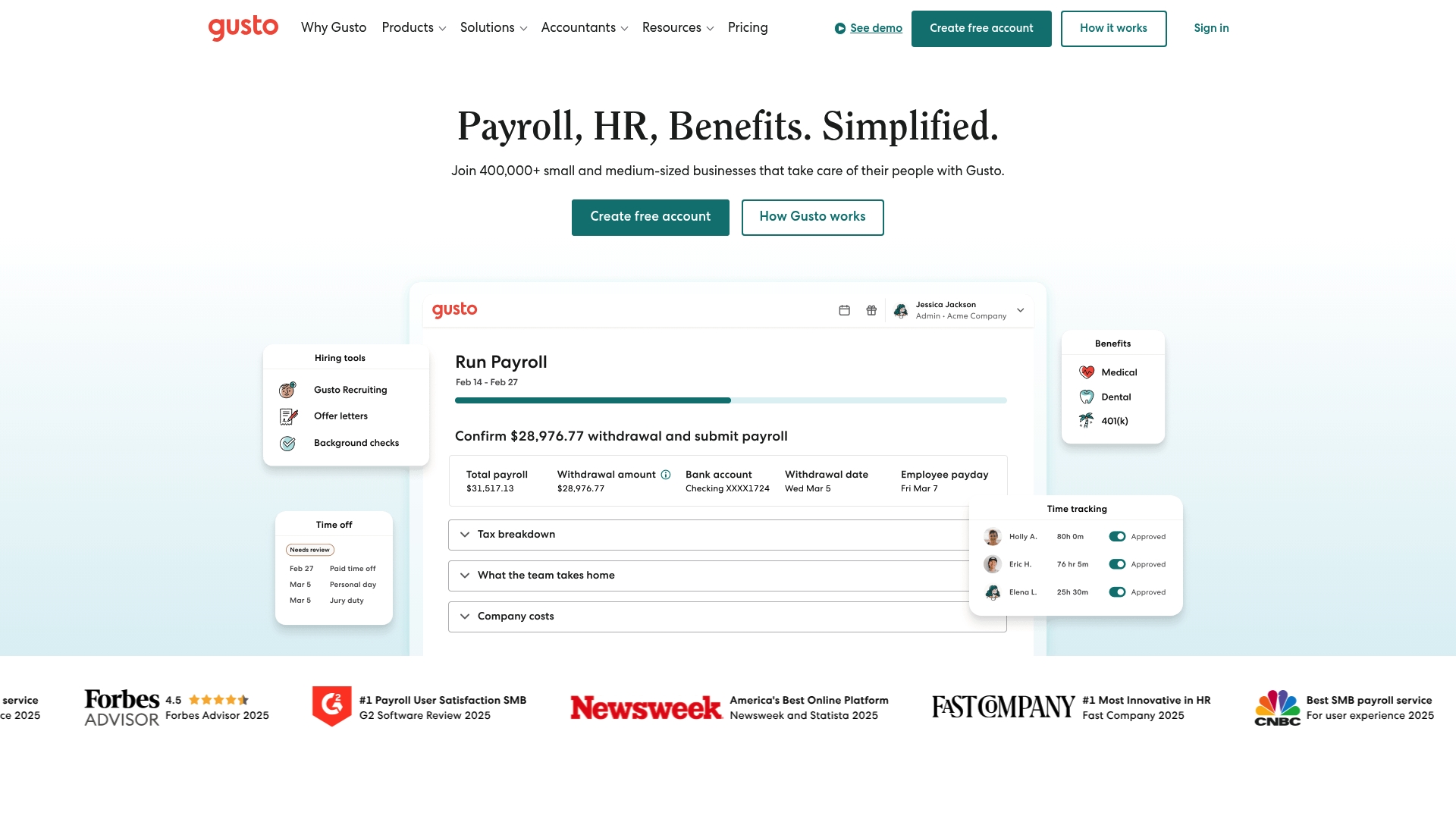
Gusto has carved out a strong position as the go-to HR and payroll solution for small businesses and startups. The platform simplifies complex payroll processes, automatically calculating and filing federal, state, and local taxes while handling benefits administration with remarkable ease. What makes Gusto particularly appealing to smaller organizations is its straightforward pricing, intuitive interface, and exceptional customer support. The platform doesn't require extensive training or HR expertise to operate effectively, making it ideal for companies without dedicated HR departments. Beyond basic payroll, Gusto includes time tracking, new hire reporting, workers' compensation administration, and employee self-service portals. The system handles direct deposits, tax form generation, and compliance requirements automatically, reducing the administrative burden on business owners. Gusto also offers integrated benefits options including health insurance, 401(k) retirement plans, and commuter benefits, allowing small businesses to provide competitive benefit packages typically associated with larger companies. For startups and growing small businesses prioritizing simplicity, affordability, and reliable payroll processing, Gusto delivers essential HR functionality without unnecessary complexity or enterprise-level pricing structures.
Workday HCM
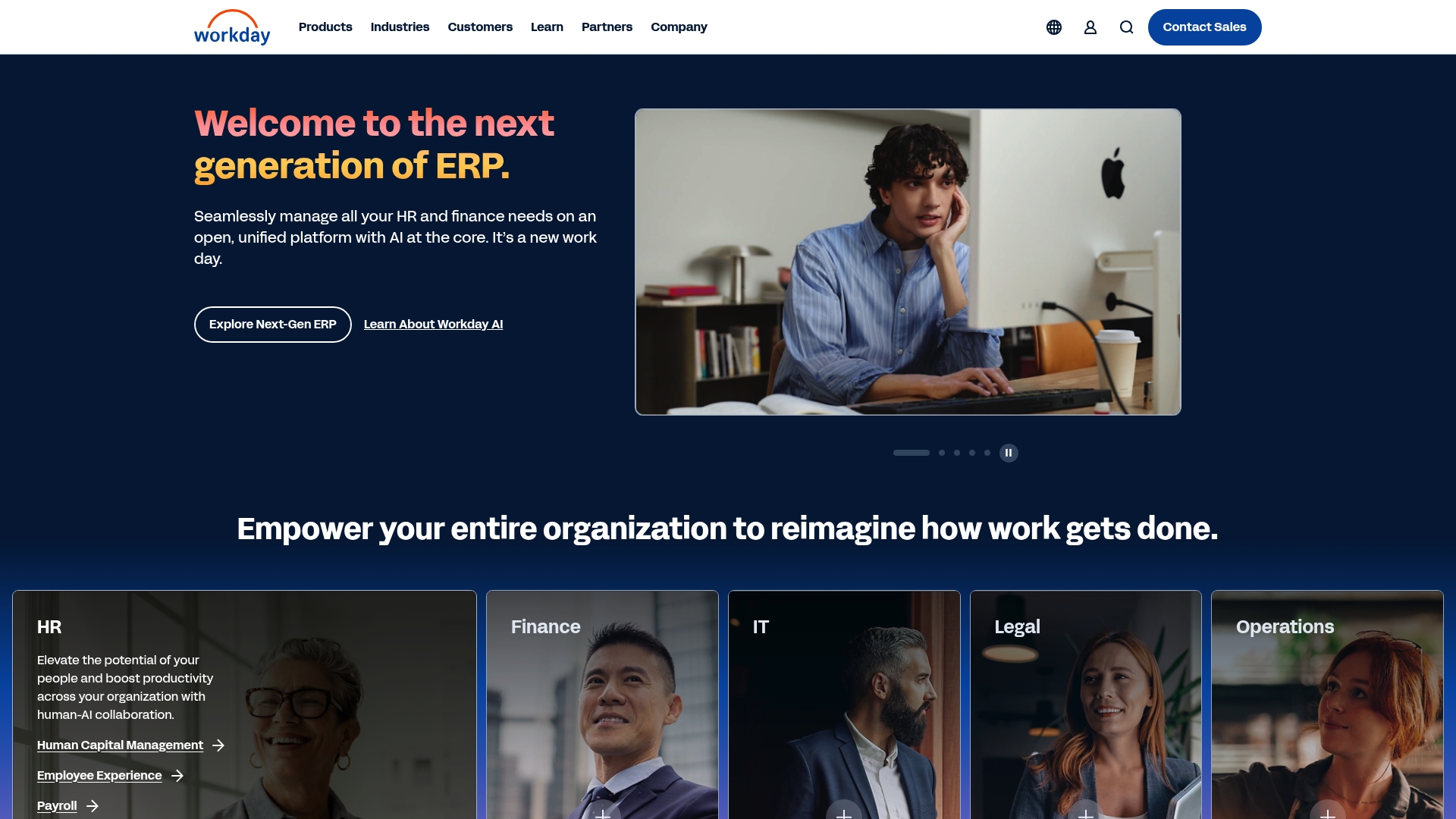
Workday HCM represents the enterprise-grade solution for large, complex organizations requiring sophisticated human capital management capabilities. The cloud-based platform integrates HR, talent management, workforce planning, and analytics into a unified system designed for global operations. Workday excels in handling intricate organizational structures, multiple business units, and diverse regulatory requirements across different countries. The platform's architecture treats HR data as strategic infrastructure, providing powerful analytics and reporting capabilities that support data-driven decision-making at the executive level. Workday's talent management suite includes comprehensive tools for recruiting, performance management, succession planning, learning, and compensation planning. The system's continuous updates and modern interface ensure organizations always have access to the latest features and security enhancements without disruptive upgrade cycles. While Workday requires significant investment both financially and in implementation effort, enterprises view it as strategic infrastructure rather than operational tooling. For large organizations managing thousands of employees across multiple geographies and requiring sophisticated workforce planning, reporting, and compliance capabilities, Workday delivers the comprehensive functionality and scalability that enterprise HR demands.
ADP Workforce Now
ADP Workforce Now leverages decades of payroll and HR expertise to deliver a comprehensive solution particularly well-suited for mid-sized companies. The platform combines robust payroll processing with HR management, benefits administration, talent management, and time tracking in a single system. ADP's strength lies in its deep knowledge of compliance and regulatory requirements, handling complex payroll scenarios including multi-state taxation, garnishments, and various pay schedules with reliability that comes from processing payroll for millions of employees. The system provides dedicated support and takes on much of the compliance burden, giving HR teams confidence in accuracy and legal adherence. ADP Workforce Now includes applicant tracking, onboarding workflows, performance management, and reporting tools that support strategic HR initiatives beyond basic administrative tasks. The platform integrates with numerous third-party applications and offers mobile access for both administrators and employees. While ADP may not offer the most modern interface compared to newer competitors, its reliability, compliance expertise, and comprehensive support make it a trusted choice for mid-market organizations prioritizing accuracy, compliance, and established vendor stability over cutting-edge features.
Paycor
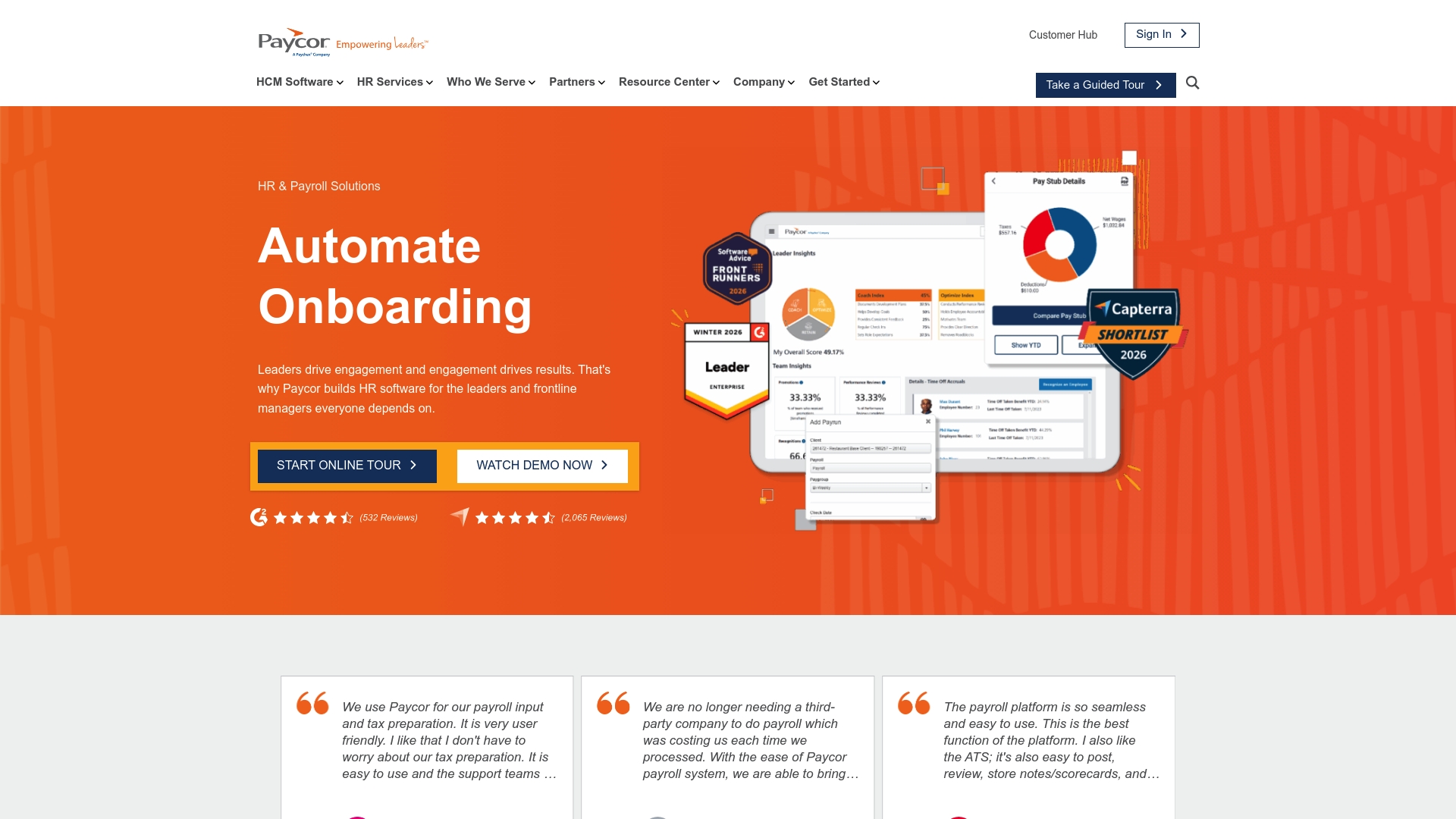
Paycor positions itself as a complete HR solution with particular strength in recruiting, talent management, and compensation planning. The platform serves organizations across various industries with unified tools for payroll, HR, time and attendance, benefits, and talent management. Paycor distinguishes itself through robust reporting and analytics capabilities that help HR leaders make informed decisions about workforce planning and talent strategies. The system includes an applicant tracking system integrated directly with the HRIS, streamlining the process from candidate sourcing through onboarding. Paycor's performance management module supports various review methodologies including 360-degree feedback, goal setting, and continuous feedback models. The platform also offers learning management capabilities, allowing organizations to deliver training content and track employee development. Paycor provides industry-specific configurations and compliance support, recognizing that healthcare, manufacturing, and professional services organizations have unique HR requirements. The system's mobile app enables employees to access pay information, request time off, and complete tasks on-the-go. For organizations seeking a full-featured HR suite with strong recruiting and talent management capabilities alongside reliable payroll processing, Paycor delivers integrated functionality that supports both operational efficiency and strategic people initiatives.
Paylocity
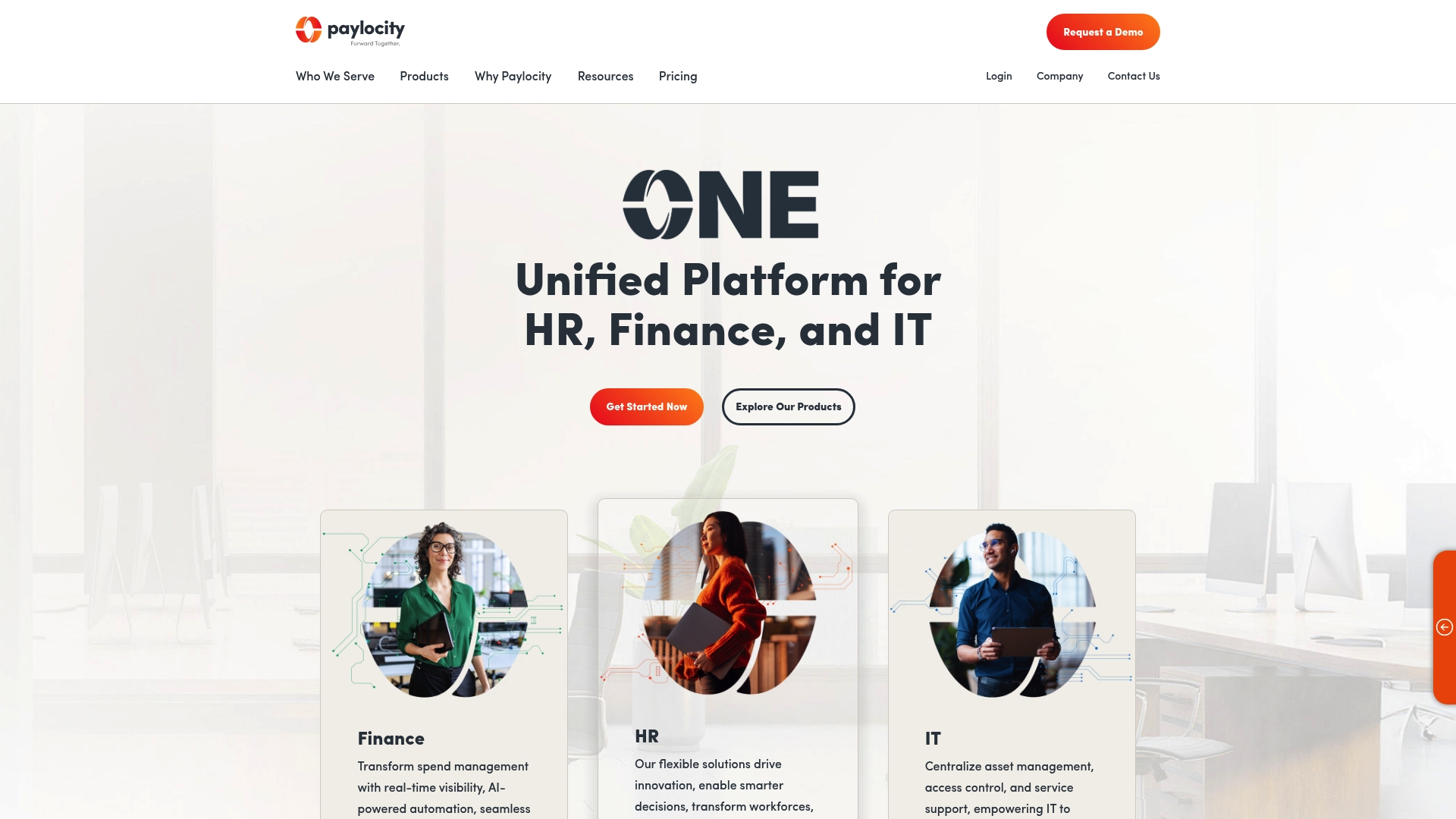
Paylocity has built a reputation for combining powerful HR functionality with an emphasis on employee engagement and company culture. The platform offers comprehensive payroll and HR management alongside innovative features designed to enhance workplace community and communication. Paylocity includes standard HRIS capabilities such as benefits administration, time tracking, performance management, and compliance tools, but stands out through features like employee surveys, peer recognition programs, and communication tools that foster organizational culture. The platform's Community feature functions similarly to a social network for employees, enabling company-wide announcements, team collaboration, and informal interactions that help remote and hybrid teams maintain connections. Paylocity also offers robust self-service capabilities, empowering employees to manage their own information, access pay stubs, and complete HR tasks independently. The system provides strong reporting and analytics, including real-time dashboards that give HR leaders visibility into key metrics. Paylocity serves mid-sized organizations across various industries, with particular appeal to companies prioritizing employee engagement alongside operational HR efficiency. For businesses viewing HR technology as a tool to strengthen culture and employee experience rather than merely processing transactions, Paylocity delivers a compelling combination of functionality and engagement features.
Lattice

Lattice focuses specifically on performance management, employee engagement, and people development rather than attempting to be an all-encompassing HRIS. The platform excels at facilitating continuous performance conversations, goal setting, and feedback processes that have replaced traditional annual reviews in many modern organizations. Lattice provides tools for one-on-one meetings, 360-degree reviews, engagement surveys, and career development planning. The system integrates with major HRIS platforms, pulling in employee data while providing specialized functionality that complements core HR systems. Lattice's approach emphasizes regular check-ins and ongoing feedback rather than once-yearly evaluations, supporting a culture of continuous improvement and development. The platform includes analytics that help identify high performers, flight risks, and development needs across the organization. Lattice also offers compensation management tools that connect performance data with merit increases and bonus decisions. For companies prioritizing people development, employee engagement, and modern performance management practices, Lattice delivers focused functionality that many general-purpose HRIS platforms handle only superficially. Organizations often implement Lattice alongside their core HR system, creating a best-of-breed approach where specialized tools handle performance management while the HRIS manages transactional functions.
Oracle HCM Cloud
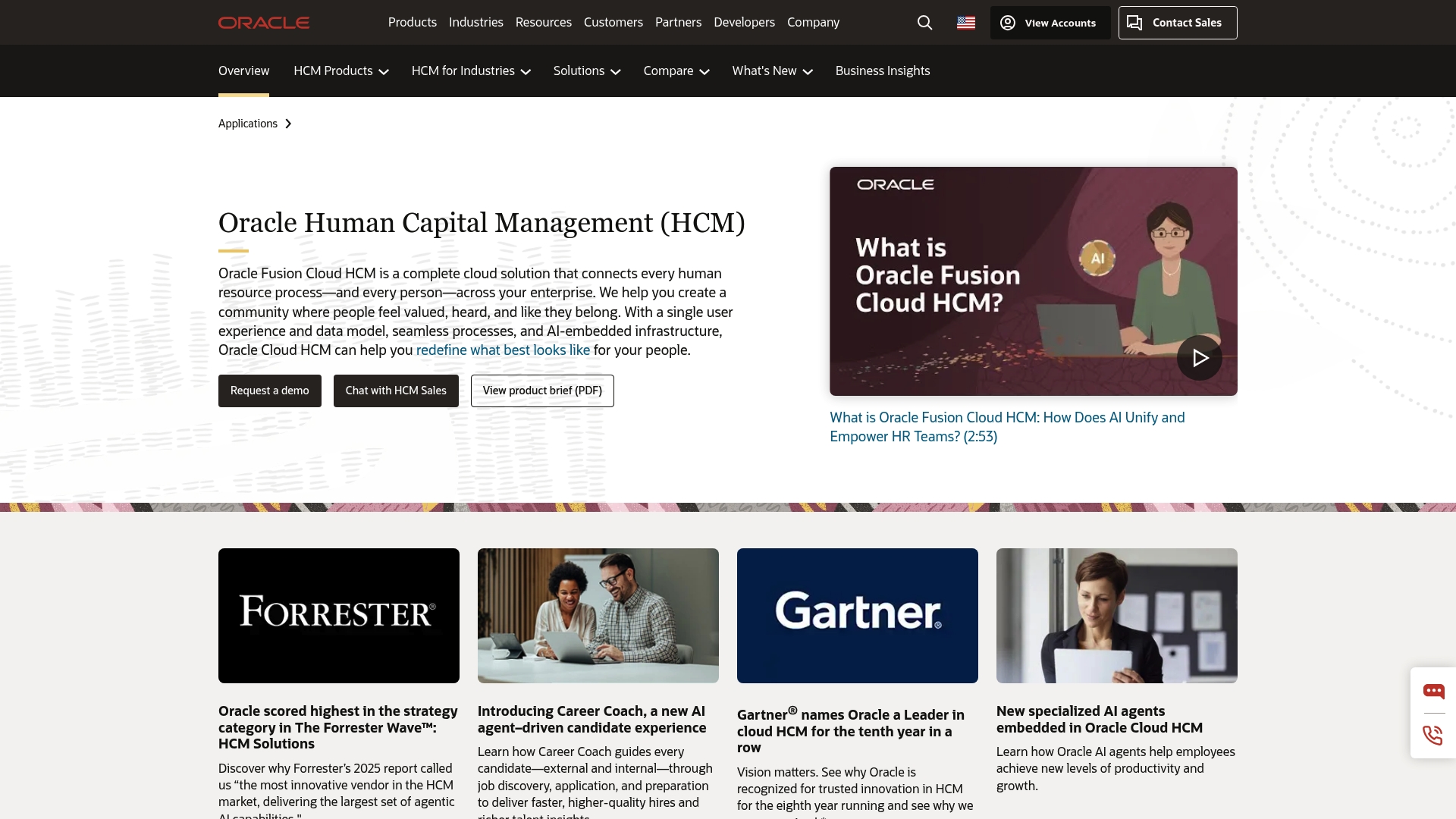
Oracle HCM Cloud represents one of the most comprehensive enterprise HR platforms available, designed for large, complex global organizations. The suite encompasses core HR, talent management, workforce management, payroll, and analytics within a unified cloud architecture. Oracle's strength lies in handling sophisticated requirements including global payroll across multiple countries, complex organizational structures, and advanced workforce planning scenarios. The platform includes powerful AI and machine learning capabilities that provide predictive insights, recommend actions, and automate routine processes. Oracle HCM Cloud offers deep functionality across recruiting, onboarding, performance management, succession planning, learning, compensation, and benefits administration. The system's reporting and analytics capabilities are particularly robust, enabling complex queries and sophisticated visualizations of workforce data. Oracle also provides extensive configuration options, allowing organizations to tailor the system to specific business processes and requirements. Implementation of Oracle HCM Cloud typically requires significant time and resources, making it most appropriate for large enterprises with complex needs and dedicated resources. For organizations already invested in the Oracle ecosystem or requiring the most comprehensive enterprise HCM functionality available, Oracle delivers industrial-strength capabilities backed by extensive support and continuous innovation.
Namely
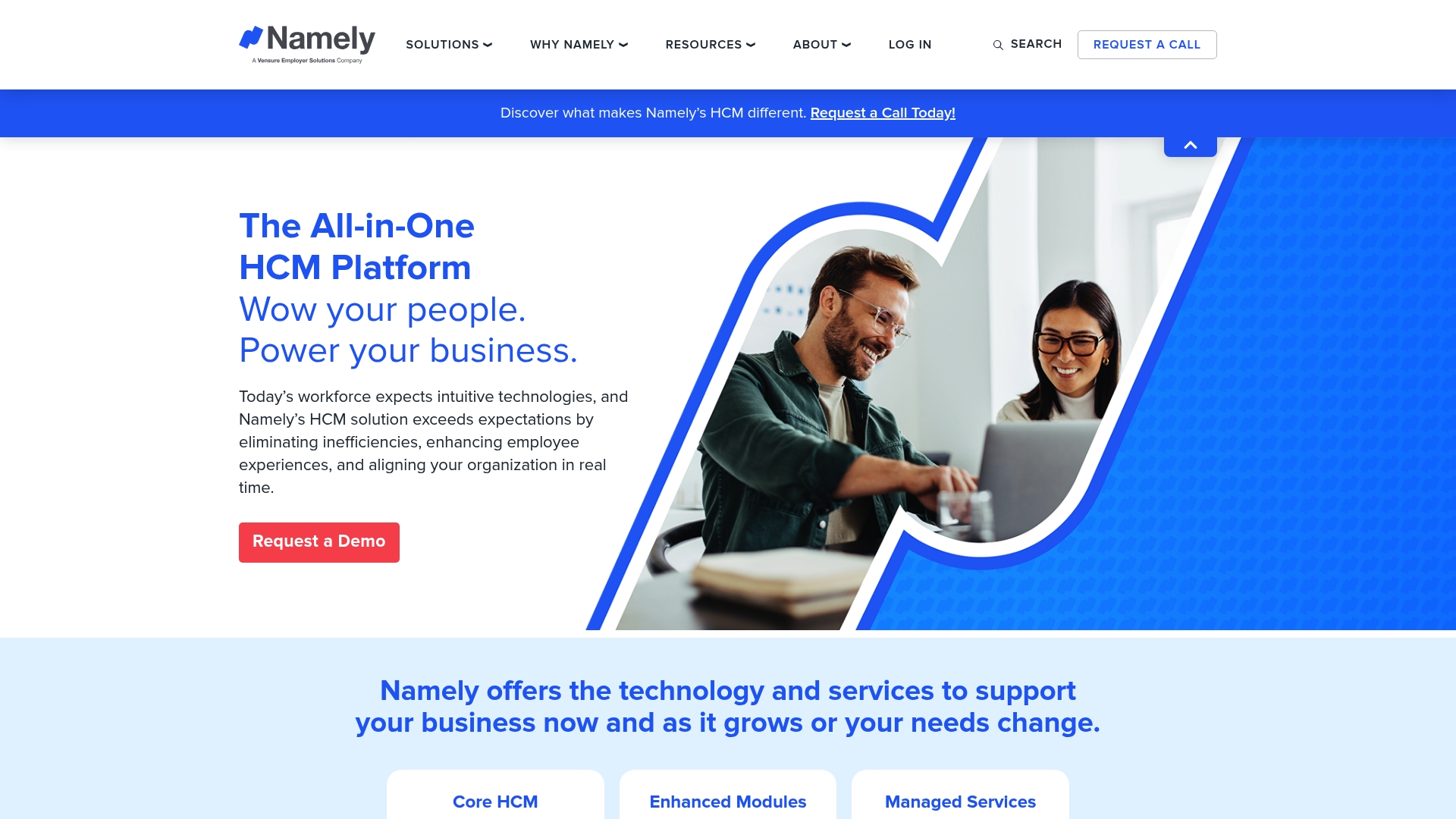
Namely targets mid-sized companies with a platform that combines modern design with comprehensive HR functionality. The system provides integrated tools for HR management, payroll, benefits administration, time tracking, and talent management. Namely differentiates itself through a social news-feed style interface that makes company announcements, updates, and employee milestones visible across the organization. This approach treats the HRIS as a communication hub rather than just a database, supporting employee engagement alongside administrative efficiency. The platform includes standard features like applicant tracking, onboarding workflows, performance reviews, and compliance management. Namely also offers benefits broker services, helping companies select and manage health insurance and other benefit programs. The system provides dedicated account management and support, recognizing that mid-sized companies often lack the extensive HR teams found in larger enterprises. Namely's modern interface and mobile app make it accessible for both HR administrators and employees. For mid-market organizations seeking an HR platform that balances comprehensive functionality with user-friendly design and strong support, Namely delivers a solution positioned between simpler small-business tools and complex enterprise systems.
BambooHR
BambooHR has established itself as one of the most popular HR solutions for small to mid-sized businesses, with a reputation for intuitive design and comprehensive functionality. The cloud-based HR software streamlines core HR processes including employee data management, hiring, onboarding, compensation planning, and performance management. BambooHR's applicant tracking system integrates seamlessly with the core HRIS, allowing companies to manage the entire employee journey from candidate to retiree within a single platform. The system emphasizes user experience, with a clean interface that requires minimal training for both HR teams and employees. BambooHR offers robust self-service capabilities, enabling employees to update personal information, request time off, and access important documents independently. The platform includes customizable workflows, reporting tools, and mobile access. BambooHR also provides an optional payroll add-on that integrates tightly with HR data, reducing double-entry and simplifying payroll processing. The system serves thousands of companies across various industries, with particularly strong adoption among organizations prioritizing ease of use and implementation speed. For small to mid-sized companies seeking a reliable, user-friendly HR system that covers essential functions without overwhelming complexity, BambooHR consistently ranks among top choices in the market.
Leapsome
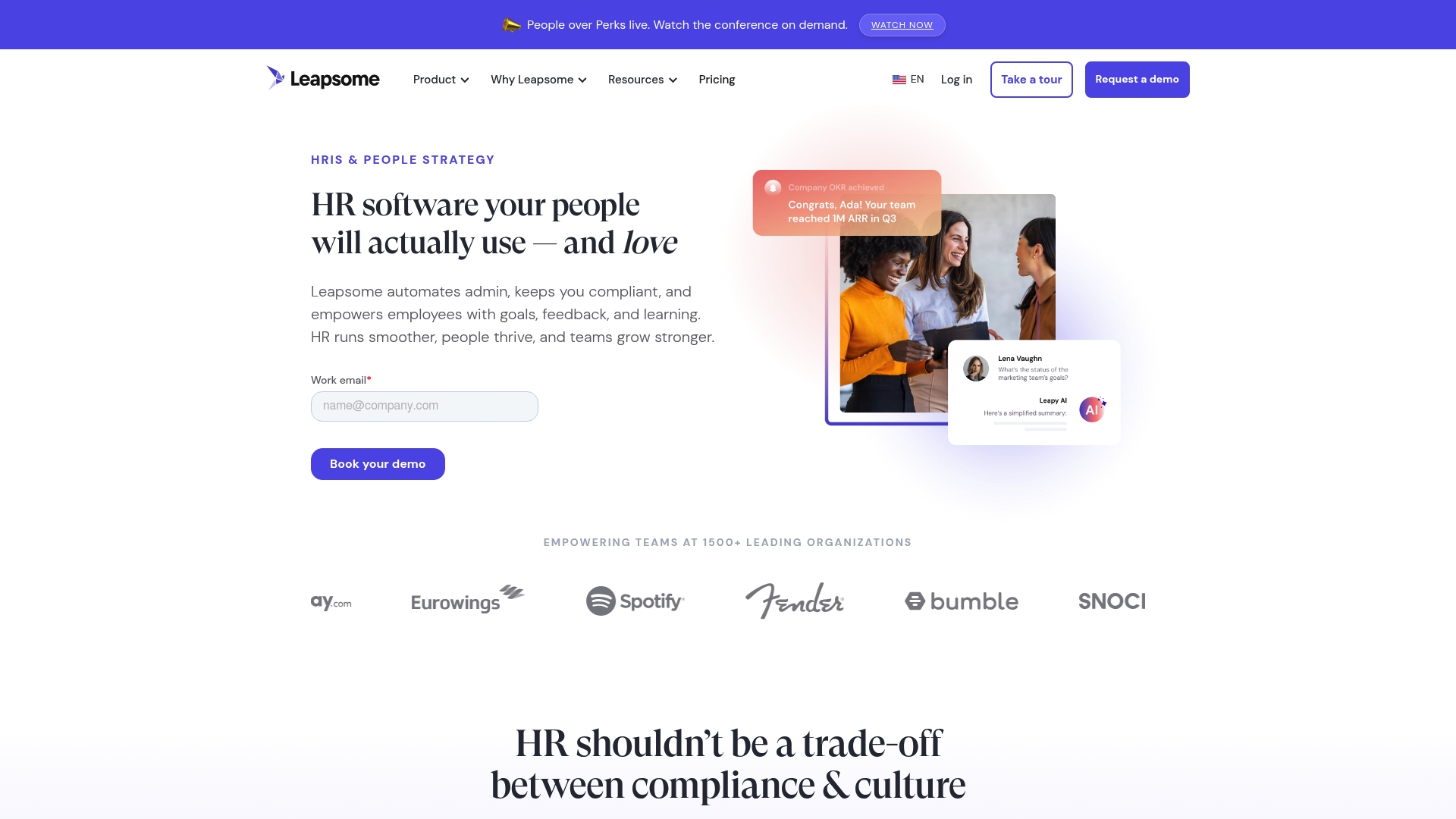
Leapsome combines performance management, employee engagement, and learning and development into a unified platform designed for growing companies. The system emphasizes continuous feedback, goals and OKRs, regular check-ins, and competency frameworks that support modern people management practices. Leapsome provides tools for 360-degree reviews, engagement surveys, one-on-one meeting agendas, and personalized learning paths. The platform takes an integrated approach where performance data, engagement insights, and learning activities connect to provide a holistic view of employee development. Leapsome integrates with major HRIS systems, pulling in employee information while providing specialized people development functionality. The system includes analytics that help identify trends, engagement drivers, and development needs across teams and departments. Leapsome also offers compensation review tools that link performance outcomes with merit increases and bonuses. The platform serves companies ranging from startups to mid-market organizations, with particular appeal to fast-growing technology companies and organizations adopting modern, agile people practices. For companies viewing employee development, engagement, and performance management as interconnected priorities requiring specialized tools beyond basic HRIS capabilities, Leapsome delivers focused functionality that drives meaningful people outcomes.
Zoho People
Zoho People represents an affordable, cloud-based HR management solution that fits well within the broader Zoho ecosystem of business applications. The platform provides core HR functionality including employee database management, time and attendance tracking, leave management, performance appraisals, and employee self-service portals. Zoho People integrates seamlessly with other Zoho applications like Zoho Recruit for hiring, Zoho Payroll for compensation processing, and Zoho CRM for customer management, creating a unified business management environment for companies already using Zoho products. The system offers customization capabilities allowing organizations to create custom fields, forms, and workflows matching specific business processes. Zoho People includes mobile apps enabling employees to check in/out, request leave, and access HR information on-the-go. The platform provides multi-location support, making it suitable for companies with distributed teams or multiple office locations. Zoho People's pricing structure makes it particularly attractive for small to mid-sized companies seeking comprehensive HR functionality at accessible price points. For organizations already invested in the Zoho ecosystem or prioritizing affordability without sacrificing essential features, Zoho People delivers solid HR management capabilities with strong integration possibilities across business functions.
Workable
Workable specializes in recruiting and applicant tracking, providing tools that streamline the hiring process from job posting through candidate evaluation and onboarding. The platform distributes job postings across multiple channels including major job boards, social media, and career sites with a single click. Workable includes AI-powered candidate screening that automatically evaluates applications against job requirements, helping recruiters identify qualified candidates more efficiently. The system provides collaborative hiring tools enabling team members to review candidates, leave feedback, and participate in hiring decisions. Workable includes video interview capabilities, assessment tools, and automated communication workflows that keep candidates engaged throughout the hiring process. The platform also offers analytics showing recruiting metrics such as time-to-hire, source effectiveness, and pipeline health. Workable integrates with major HRIS systems, enabling seamless data transfer when candidates become employees. While focused primarily on recruiting, Workable also includes basic onboarding functionality to bridge the gap between candidate acceptance and first-day readiness. For organizations where recruiting quality and efficiency represent critical priorities, or for companies without comprehensive HRIS platforms seeking best-in-class applicant tracking, Workable delivers specialized recruiting functionality that often outperforms the hiring modules found in general-purpose HR systems.
Paychex Flex
Paychex Flex leverages Paychex's extensive payroll expertise to deliver a comprehensive HR solution particularly suited for small to mid-sized businesses. The platform combines payroll processing with HR administration, benefits management, time and attendance, and retirement services. Paychex's deep experience in payroll compliance and tax filing provides reliability that small businesses particularly value, taking on the complexity of multi-state payroll, unemployment insurance, and tax deposit calculations. The system includes an integrated applicant tracking system, onboarding workflows, and document management. Paychex Flex offers employee self-service portals where workers can access pay stubs, update information, and enroll in benefits. The platform provides dedicated support and HR advisory services, recognizing that small businesses often lack in-house HR expertise. Paychex also offers professional employer organization (PEO) services for companies seeking to outsource more extensive HR functions. The mobile app enables both administrators and employees to complete HR tasks remotely. For small to mid-sized organizations prioritizing payroll accuracy, compliance support, and comprehensive vendor assistance, Paychex Flex delivers established reliability backed by decades of payroll processing experience and extensive support resources.
Making the Right Choice for Your Organization
Selecting appropriate HR tools requires careful consideration of organizational size, budget, technical capabilities, and strategic priorities. Small businesses often prioritize simplicity, affordability, and strong payroll processing, making solutions like Gusto, BambooHR, or Paychex Flex natural fits. Mid-sized companies typically need more comprehensive functionality including advanced reporting, talent management, and integration capabilities, pointing toward platforms like HiBob, Namely, or ADP Workforce Now. Large enterprises with complex global requirements generally require industrial-strength solutions like Workday, Oracle HCM Cloud, or SAP SuccessFactors that can handle sophisticated organizational structures and compliance needs.
Beyond size considerations, companies should evaluate whether they prefer all-in-one platforms or best-of-breed approaches combining specialized tools. Organizations prioritizing simplicity often select comprehensive platforms handling most HR functions within a single system. Companies seeking maximum functionality in specific areas sometimes choose core HRIS platforms supplemented by specialized tools for performance management, recruiting, or learning and development.
Integration Capabilities Matter
Modern HR technology stacks rarely consist of a single platform. Most organizations use multiple systems that must share data seamlessly. When evaluating HR tools, consider integration capabilities with existing systems including payroll providers, benefits administrators, time tracking solutions, and productivity applications. Platforms offering pre-built integrations, open APIs, and partnerships with major vendors typically deliver smoother implementations and ongoing operations than isolated systems requiring custom integration work.
The Future of HR Technology
Looking ahead, HR technology in 2026 continues evolving with artificial intelligence, predictive analytics, and employee experience platforms reshaping how organizations manage people. AI-powered tools increasingly automate administrative tasks, provide predictive insights about retention risks, and personalize employee experiences at scale. The boundaries between HR systems, communication platforms, and productivity tools continue blurring as organizations recognize that employee experience extends beyond traditional HR functions. Companies implementing HR tools today should prioritize platforms demonstrating commitment to innovation, regular feature releases, and adaptability to evolving workforce expectations. The most successful HR technology strategies balance current needs with future flexibility, ensuring chosen solutions can grow and adapt alongside organizational requirements.