Top 7 Mistakes on Trade Fairs You Must Avoid
7 minutes
4th of February 2026
In this article:
- Top 7 Mistakes on Trade Fairs You Must Avoid
- Poor Planning and Last-Minute Preparation
- Ineffective Booth Design and Layout
- Untrained or Disengaged Staff
- Neglecting Lead Capture and Follow-Up
- Weak Branding and Unclear Messaging
- Failing to Set Clear Goals and Measure Results
- Ignoring Pre-Show Marketing and Post-Show Celebration
Top 7 Mistakes on Trade Fairs You Must Avoid
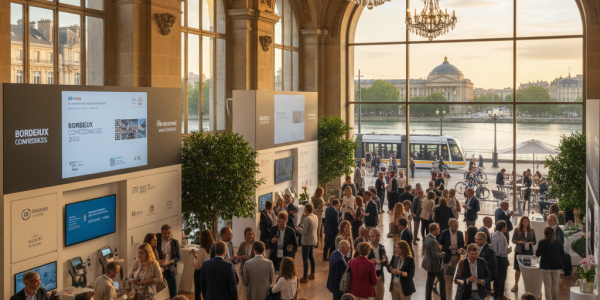
Trade fairs remain one of the most powerful marketing tools for businesses looking to connect with potential customers, showcase products, and build industry relationships. However, despite significant investments in booth space, design, and staff, many exhibitors fall short of their goals due to avoidable mistakes. Understanding these common pitfalls can transform your next trade show experience from a costly disappointment into a profitable venture. Whether you're a seasoned exhibitor or planning your first trade fair appearance, recognizing and avoiding these errors will help maximize your return on investment and create meaningful connections with attendees.
Poor Planning and Last-Minute Preparation
One of the most detrimental mistakes exhibitors make is leaving preparation until the last minute. According to industry research on trade show planning, adequate preparation time is crucial for success. Booth spaces at major trade fairs are often allocated on a first-come, first-served basis, meaning late registration can result in poor positioning far from high-traffic areas or near loading docks.
Last-minute changes create cascading problems affecting printing quality, staff training, and overall booth readiness. Trade show organizers typically establish strict deadlines for booth specifications, electrical requirements, and promotional materials. Missing these deadlines often incurs rush fees and compromises the quality of your display elements. Furthermore, up to 80% of attendee time at trade shows is pre-scheduled, making it essential to arrange meetings with potential clients weeks in advance rather than hoping for spontaneous booth visits.
Creating a detailed timeline starting several months before the event ensures every element receives proper attention. This includes booth design approval, material ordering, staff selection and training, pre-show marketing campaigns, and appointment scheduling. Companies that plan strategically also consider overlapping their trade show participation with product launches or marketing campaigns, creating synergy that amplifies their impact.
Ineffective Booth Design and Layout
Your booth serves as the first impression for potential customers, yet many exhibitors undermine their investment with poor design choices. Common booth design mistakes include cluttered layouts, confusing messaging, and creating barrier-like structures that discourage visitor engagement.
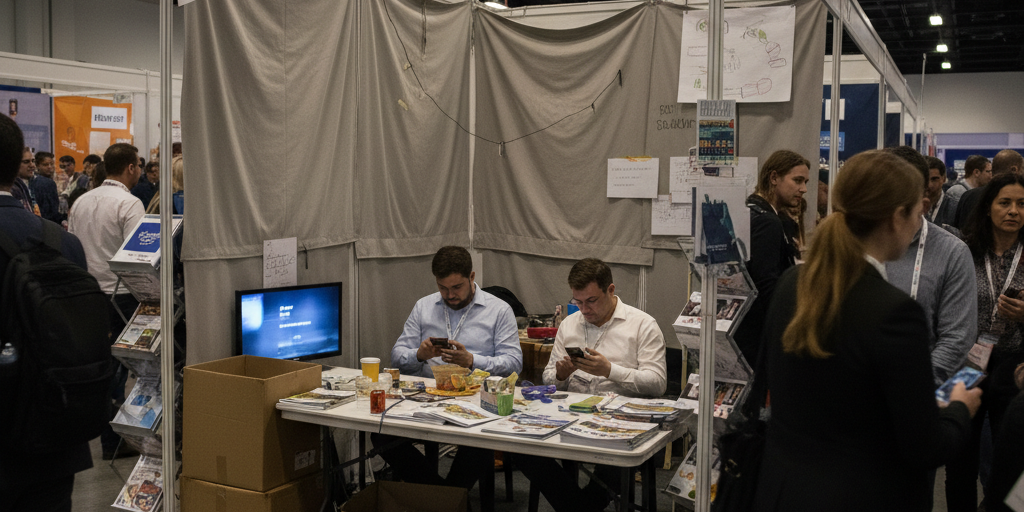
A castle-wall effect occurs when exhibitors place furniture and displays around the booth perimeter, creating an unwelcoming fortress appearance that suggests you want to keep visitors out rather than invite them in. Instead, successful booths maintain open, inviting layouts that allow easy access and natural flow. Clear sightlines enable attendees to see your offerings from a distance and understand your value proposition within seconds.
Lighting represents another frequently overlooked design element. Poor or mismatched lighting can make your booth appear dingy and unprofessional, especially when contrasting sharply with surrounding fairground lighting. Quality illumination highlights your products effectively and creates an energetic, welcoming atmosphere. Graphics quality also matters tremendously, with pixelated or outdated visuals damaging your brand's credibility and professionalism.
Overcrowding your space with excessive features or choosing booth displays too large for your allocated area creates navigation difficulties and makes visitors uncomfortable. Balance is key, with focal points drawing attention while maintaining enough breathing room for comfortable conversations and product demonstrations.
Untrained or Disengaged Staff
Your booth staff represents your brand's face and voice during the entire event, yet staff-related mistakes rank among the most common trade show failures. Insufficient staffing leaves team members overwhelmed and unable to engage properly with visitors. Conversely, overstaffing can create an intimidating atmosphere or lead to staff members talking amongst themselves rather than approaching attendees.
The most damaging staff behavior involves sitting behind tables with laptops open, ignoring passersby. This posture communicates disinterest and creates physical and psychological barriers between your team and potential customers. Successful exhibitors ensure staff members stand, make eye contact, smile, and proactively initiate conversations with open-ended questions tailored to visitor needs.
Proper training before the event proves essential. Staff should thoroughly understand your products, services, target audience, and event goals. They need clear guidelines on how to qualify leads, capture contact information, and schedule follow-up meetings. Training should also cover appropriate attire, punctuality, break schedules, and professional conduct throughout the entire show duration.
Professional behavior includes arriving on time each morning, staying until closing, and never beginning booth tear-down early. These seemingly minor details significantly impact your reputation and demonstrate respect for attendees who made the effort to visit your booth.
Neglecting Lead Capture and Follow-Up
Generating leads without a systematic capture and follow-up process wastes your entire trade show investment. A revealing Salesforce study on trade show follow-up found that 85% of exhibitors failed to follow up with interested prospects, and those who did often waited over 50 days, long after initial interest had evaporated.
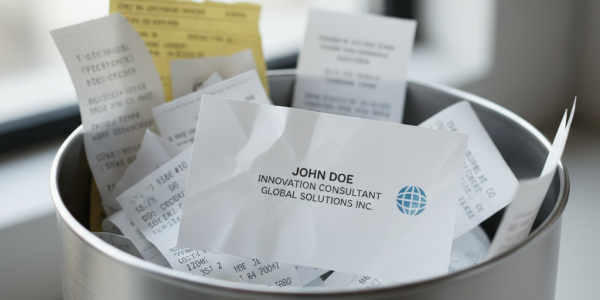
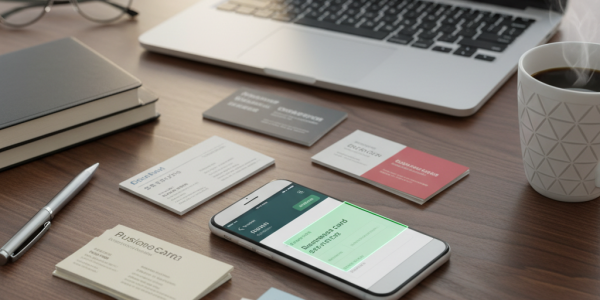
Modern technology has revolutionized lead capture, yet many exhibitors still rely on outdated business card collection methods or handwritten notes that get lost or misinterpreted. Digital solutions streamline this process significantly. Lead capture tools for trade shows enable instant contact information collection through badge scanning, QR codes, and digital forms that integrate directly with CRM systems.
Implementing digital business cards provides dual benefits: visitors can instantly save your contact information while you capture their details simultaneously. This modern approach eliminates the waste associated with printed cards while ensuring contact information remains accurate and immediately accessible for follow-up.
The most successful exhibitors establish follow-up protocols before the event begins. This includes designating team members responsible for lead qualification, creating email templates for different prospect categories, and scheduling specific follow-up timeframes. Immediate post-show communication, ideally within 24-48 hours, maintains momentum and converts interest into actionable business relationships.

Weak Branding and Unclear Messaging
Attendees walk past hundreds of booths during trade shows, making it crucial to communicate your value proposition instantly. However, many exhibitors fail to establish clear, consistent branding that helps them stand out. Inconsistent use of colors, logos, fonts, and messaging across booth elements creates confusion and appears unprofessional.
Your booth should answer three essential questions within seconds: Who are you? What do you offer? Why should visitors care? Vague or overly complex messaging loses attention quickly. Bold, simple statements with supporting visuals communicate more effectively than lengthy text blocks that few attendees will read.
Brand consistency extends beyond visual elements to include all materials, giveaways, and digital presence. Your signage, promotional items, staff attire, and digital business cards should present a unified brand experience. This cohesion builds trust and makes your company memorable long after the event concludes.
Strategic use of height advantage helps visibility in crowded exhibition halls. Tall banners, hanging signs, and elevated displays make your booth noticeable from a distance, drawing attendees toward your location even in less trafficked areas. However, these elements should enhance rather than overwhelm your core messaging.
Failing to Set Clear Goals and Measure Results
Many companies participate in trade shows because competitors do, without establishing specific, measurable objectives. This lack of direction makes it impossible to evaluate success or justify future participation. Trade show planning experts emphasize that clear goal-setting transforms trade fairs from vague networking opportunities into strategic business investments.
Goals might include generating a specific number of qualified leads, scheduling product demonstrations, launching new offerings, gathering market intelligence, or strengthening relationships with existing clients. Each objective requires different booth designs, staff training, and success metrics.
Budget allocation represents another planning consideration. Poor financial planning leads to either overspending on unnecessary features or under-investing in crucial elements like quality graphics, adequate staffing, or prime booth location. Creating detailed budgets that account for booth rental, design, shipping, staffing, promotional materials, and contingency funds prevents costly surprises.
Measuring results requires tracking systems implemented before the event. This includes lead capture methods that categorize prospects by qualification level, interest areas, and follow-up priorities. Post-show analysis should evaluate total leads generated, qualified prospect numbers, estimated revenue potential, and actual conversion rates over subsequent months.
Ignoring Pre-Show Marketing and Post-Show Celebration
Trade show success begins weeks before setup and extends long after tear-down. Yet many exhibitors miss opportunities by neglecting pre-show promotion. Announcing your booth location through email campaigns, social media, and direct outreach to existing clients and prospects dramatically increases booth traffic. Pre-scheduled meetings fill your calendar with high-value conversations rather than relying solely on walk-by traffic.
Creating urgency through booth-exclusive offers, product demonstrations, or giveaways gives attendees specific reasons to visit. Interactive elements like live demos, contests, or unique experiences make your booth memorable and encourage social media sharing that amplifies your reach.
Equally important is acknowledging both successes and learning opportunities after the event. Team debriefing sessions identify what worked well and areas needing improvement for future shows. Celebrating achievements maintains staff morale and reinforces positive behaviors.
Leveraging Modern Technology
Technology continues transforming trade show experiences, making it easier to capture leads, share information, and maintain connections. Solutions that combine traditional networking with digital efficiency provide significant advantages. Modern tools enable immediate contact sharing, organized lead management, and seamless CRM integration that supports effective follow-up processes.
Understanding and avoiding these seven mistakes positions your company for trade show success. Strategic planning, professional booth design, engaged and trained staff, systematic lead capture, clear branding, defined goals, and comprehensive pre- and post-show activities transform trade fairs from expensive experiments into valuable business development tools that generate measurable returns on investment. As you prepare for your next exhibition, evaluating each of these areas ensures your investment delivers maximum impact.