Top Trade Fairs Trends 2026 You Need to Know
6 minutes
30th of January 2026
In this article:
- Trade Fairs Trends 2026: What to Expect
- Artificial Intelligence Reshaping Exhibition Experiences
- Sustainability Becomes Non-Negotiable
- Immersive Technologies Creating Memorable Moments
- Data-Driven Decision Making and Lead Quality Focus
- Hybrid Event Models and Global Accessibility
Trade Fairs Trends 2026: What to Expect
The trade fair industry is experiencing a remarkable transformation in 2026, driven by technological innovation, sustainability imperatives, and evolving attendee expectations. As organizations worldwide prepare their exhibition strategies, understanding the latest trends becomes crucial for maximizing return on investment and creating memorable brand experiences. The landscape of trade shows and exhibitions has evolved significantly, with exhibitors now focusing on creating immersive, data-driven, and environmentally conscious experiences that resonate with increasingly sophisticated audiences.
Artificial Intelligence Reshaping Exhibition Experiences
Artificial intelligence has emerged as the most transformative force in trade fair environments this year. Exhibitors are leveraging AI-powered analytics to gain unprecedented insights into visitor behavior, preferences, and engagement patterns. These intelligent systems track attendee movements, measure booth dwell times, and analyze interaction quality, allowing companies to optimize their presentations in real-time. AI agents and digital twins are becoming commonplace, offering personalized product recommendations and answering complex technical questions with human-like understanding.
Beyond analytics, artificial intelligence is revolutionizing lead capture and follow-up processes. Modern exhibition platforms now feature AI-driven lead qualification systems that automatically score prospects based on engagement levels, questions asked, and time spent at specific displays. This technology enables sales teams to prioritize high-value leads immediately after events, significantly improving conversion rates. Companies like Spreadly are pioneering AI-powered lead capture solutions that seamlessly integrate with CRM systems, ensuring no valuable connection is lost in the post-event shuffle. The ability to scan business cards, capture digital contact information, and automatically sync data has become essential for professional event networking.
Smart booth design powered by predictive algorithms is another breakthrough application. Exhibition planners now use machine learning models to forecast traffic patterns, determine optimal booth locations, and design layouts that naturally guide visitors through strategic touchpoints. These predictive capabilities help exhibitors allocate resources more effectively and create flow patterns that maximize engagement opportunities.
Sustainability Becomes Non-Negotiable
Environmental consciousness has shifted from a competitive advantage to an absolute requirement in 2026. Trade fair organizers and exhibitors face increasing pressure from stakeholders, customers, and regulatory bodies to demonstrate genuine commitment to sustainable practices. This year marks a decisive turn toward eco-friendly exhibition materials, with modular booth systems constructed from reusable materials like certified wood and recycled aluminum becoming industry standard.
The concept of circular economy principles now extends throughout the entire event lifecycle. Exhibitors are adopting rental booth systems that can be reconfigured for multiple events, dramatically reducing waste and transportation emissions. Digital alternatives to printed materials have proliferated, with interactive screens and downloadable resources replacing traditional brochures and catalogs. Many forward-thinking companies now measure and publish the carbon footprint of their exhibition presence, using third-party verification to demonstrate accountability.
Transportation and logistics represent another focus area for sustainability efforts. Companies are consolidating shipments, using local suppliers wherever possible, and investing in electric or hybrid vehicles for last-mile delivery. Some major exhibitions have introduced carbon offset programs, allowing exhibitors to compensate for unavoidable emissions through verified environmental projects. The Poland Sustainability Expo and similar events have set new benchmarks for what constitutes a truly sustainable trade fair, implementing comprehensive waste management systems and renewable energy sources throughout their venues.
Immersive Technologies Creating Memorable Moments
The distinction between physical and digital experiences continues to blur in 2026, with immersive technologies delivering unprecedented levels of engagement. Virtual reality demonstrations allow visitors to experience products in simulated environments, from operating heavy machinery to touring manufacturing facilities located thousands of miles away. Augmented reality applications overlay digital information onto physical products, enabling detailed technical specifications, customization options, and use-case scenarios to appear instantly through smartphone cameras or AR glasses.
Interactive displays have evolved far beyond simple touchscreens. Exhibitors now deploy holographic projections, gesture-controlled interfaces, and sensory experiences that engage multiple senses simultaneously. These technologies transform passive observation into active participation, creating memorable moments that drive deeper emotional connections with brands. The most successful booths in 2026 are those that balance technological sophistication with intuitive usability, ensuring visitors can engage without technical barriers or lengthy explanations.
Experiential marketing through micro-attractions has gained tremendous traction this year. Rather than attempting to create massive spectacles, smart exhibitors are designing quick, creative interactions that deliver instant gratification while communicating key brand messages. These compact experiences generate social media content naturally, as visitors share their unique moments with their networks, amplifying reach far beyond the physical event space.
Data-Driven Decision Making and Lead Quality Focus
The metrics defining trade fair success have fundamentally changed in 2026. Organizations have moved beyond simple badge scan counts to sophisticated analysis of engagement quality, conversation depth, and lead progression velocity. Advanced tracking technologies including RFID badges, beacon systems, and mobile app integrations provide granular insights into visitor behavior patterns, enabling exhibitors to understand which displays attract attention, where bottlenecks occur, and when interest peaks throughout event days.
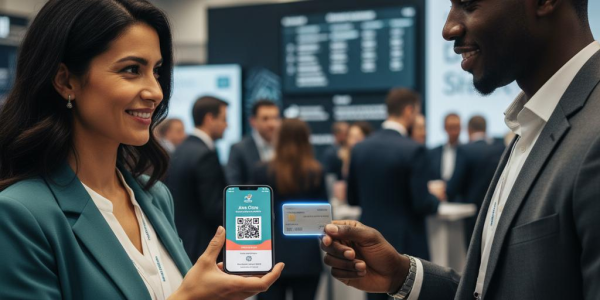
This shift toward quality over quantity reflects broader changes in B2B marketing philosophy. Companies now recognize that one well-qualified prospect who progresses through the sales pipeline is worth more than dozens of casual badge scans that never convert. Sophisticated lead scoring algorithms evaluate multiple dimensions of engagement, from technical questions asked to specific product features examined, creating comprehensive prospect profiles that sales teams can immediately action. Digital business cards have become essential tools in this ecosystem, allowing instant information exchange while automatically enriching CRM databases with contextual notes and engagement timestamps.
The integration of pre-event, during-event, and post-event data creates comprehensive attendee journeys that reveal patterns and opportunities. Exhibitors can now identify which marketing channels drove the most valuable visitors, which booth elements generated the highest engagement, and which follow-up approaches yield the best conversion rates. This analytical rigor transforms trade fair participation from an art into a science, enabling continuous optimization across multiple events throughout the year.
Hybrid Event Models and Global Accessibility
While in-person attendance has rebounded strongly, the hybrid event model has matured into a sophisticated channel that extends reach far beyond physical venues. Advanced streaming technologies, interactive virtual booths, and digital networking platforms enable remote participants to engage meaningfully with exhibitions they cannot attend in person. This dual-channel approach recognizes that geographic constraints, budget limitations, and time commitments prevent many qualified prospects from traveling to events, yet these individuals still represent valuable opportunities.
The most successful hybrid implementations in 2026 treat virtual attendees as first-class participants rather than passive observers. Live product demonstrations can be viewed from multiple camera angles, virtual attendees can schedule one-on-one video meetings with booth staff, and digital resource libraries provide instant access to detailed technical documentation. Some exhibitions have introduced virtual reality booth recreations that allow remote participants to "walk through" exhibition spaces using VR headsets, examining products and engaging with brand representatives in surprisingly immersive ways.
This evolution toward hybrid formats has also influenced physical booth design. Exhibitors now create spaces that work both for in-person visitors and for camera broadcasts, with proper lighting, sound quality, and background aesthetics that translate effectively to digital channels. The boundary between physical trade fair and ongoing digital engagement continues to dissolve, with many companies maintaining virtual booth presences between live events, creating year-round touchpoints that nurture relationships beyond concentrated show periods.
Modern networking tools like digital business cards for events have become instrumental in bridging physical and digital interactions, allowing seamless contact exchange regardless of whether meetings occur face-to-face or virtually. These platforms ensure that valuable connections made during hybrid events receive appropriate follow-up, maintaining momentum across both participation channels.
As we progress through 2026, the trade fair industry demonstrates remarkable resilience and innovation. The convergence of artificial intelligence, sustainability commitments, immersive technologies, and data-driven strategies is creating exhibition experiences that deliver unprecedented value for both exhibitors and attendees. Organizations that embrace these trends while maintaining authentic human connections will find themselves well-positioned to capitalize on the continued evolution of this dynamic industry.