The Ultimate Guide to Custom Business Cards in 2026
15 minutes
17th of January 2026
In this article:
- The Evolution of Business Cards: 2026 and Beyond
- Key Elements of an Effective Custom Business Card
- Step-by-Step Guide: Designing Your Custom Business Card in 2026
- Digital Business Cards: The Modern Alternative
- Sustainable and Eco-Friendly Business Card Solutions
- Maximizing ROI: Using Custom Business Cards for Marketing and Networking Success
In 2026, your business card is more than just a contact slip. It is the first impression your brand makes in a hyper-connected world where every detail matters.
Today, professionals need networking tools that stand out. With digital integrations, bold designs, and eco-conscious materials shaping the landscape, the demand for custom business cards that truly capture your brand has never been higher.
This guide will demystify the process of designing, printing, and leveraging custom business cards for maximum professional impact in 2026.
Get ready to explore the latest design trends, innovative material options, seamless digital features, eco-friendly solutions, and expert strategies to make your business card unforgettable.
The Evolution of Business Cards: 2026 and Beyond
In 2026, the landscape of custom business cards is almost unrecognizable from a decade ago. Businesses now face a world where first impressions are both tactile and digital, with technology and sustainability driving the transformation.
How Business Cards Have Changed Over the Decade
Over the past ten years, custom business cards have evolved from traditional paper slips to multi-functional networking tools. Hybrid formats, blending physical and digital elements, have become the norm.
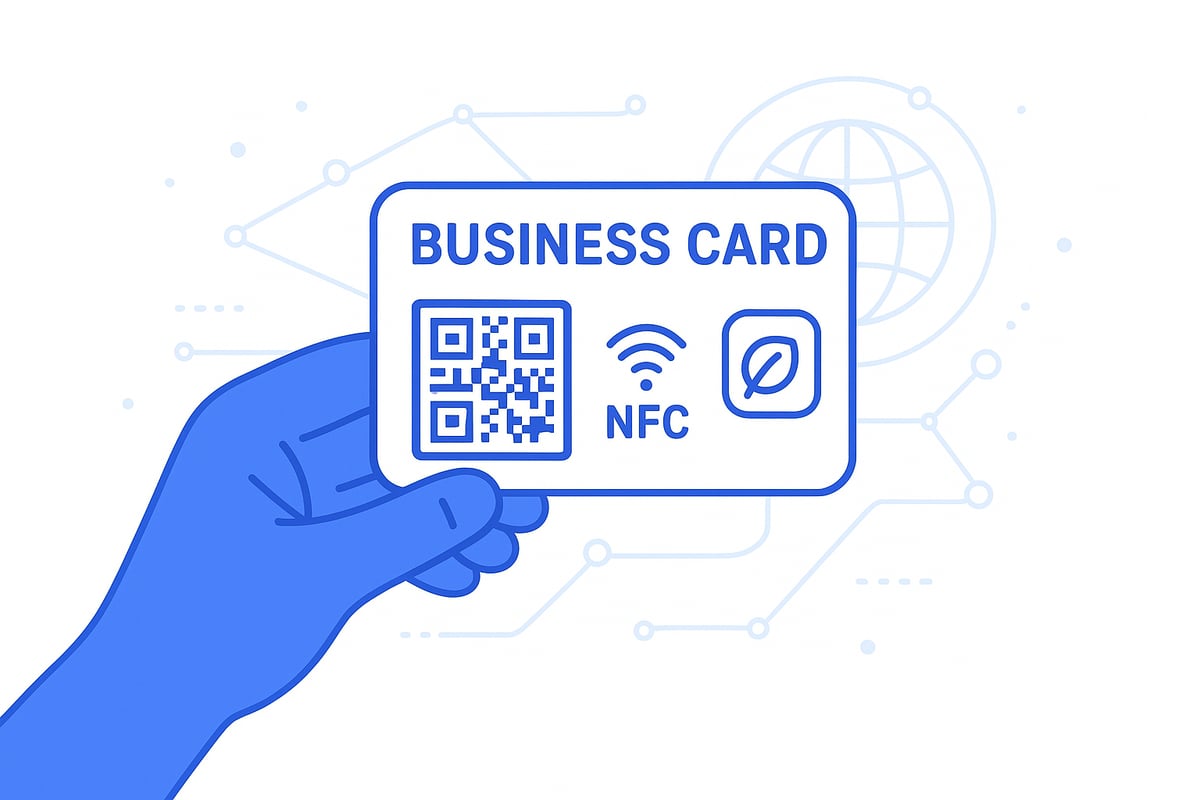
Interactive features like QR codes, NFC chips, and even AR overlays are now standard. The rise of remote work and global teams has required cards to integrate seamlessly with CRM systems and contactless sharing platforms.
Industry data reveals that over 4 million digital cards were shared in 2023, signaling a shift away from basic paper cards. Personalization is in high demand, while sustainability and eco-awareness continue to shape the materials and processes used for custom business cards.
Current Trends Shaping Custom Business Cards
Today’s custom business cards are designed to capture attention and foster engagement. Minimalist layouts with bold, memorable color palettes are in vogue, while custom shapes such as squares, circles, or even leaf-inspired designs set brands apart.
Luxury finishes, including foil stamping, embossing, soft touch coatings, and painted edges, are no longer reserved for premium brands. Embedded technology like NFC and dynamic QR codes is now commonplace, driving a 38% higher engagement rate with interactive cards, according to industry statistics.
Custom business cards often double as marketing collateral, serving as loyalty cards or event passes. On-demand, small-batch printing enables rapid iteration and personalization. For a deeper dive into these innovations, explore the latest business card design trends for 2026 for more inspiration and data.
The Role of Business Cards in Modern Networking
Custom business cards remain vital touchpoints in both digital and physical networking. They act as brand ambassadors at trade shows, conferences, and even virtual meetings, seamlessly bridging in-person and online interactions.
Forward-thinking companies use custom business cards to direct traffic to websites and social profiles, often embedding lead generation forms or instant connect links. This approach transforms cards into effective tools for capturing prospects.
Balancing traditional etiquette with technological enhancements, custom business cards offer flexibility for any networking scenario, ensuring professionals remain memorable and accessible.
Predictions for the Future of Business Cards
Looking ahead, the future of custom business cards is intertwined with AI-driven personalization and analytics. Integration with digital wallets and mobile devices will become standard, allowing instant updates and seamless sharing.
Eco-friendly materials and digital-first solutions will continue to gain traction, reflecting broader shifts toward sustainability. Customization will cater to diverse industries and remote teams, ensuring relevance across sectors.
Despite technological advances, the tangible, well-designed custom business card will retain its value, offering a unique and lasting first impression in professional settings.
Key Elements of an Effective Custom Business Card
A truly effective custom business card does more than share your contact details. In 2026, the right card blends must-have information, standout design, premium materials, and cutting-edge interactivity. Let us break down the key elements you need to make your custom business cards work harder for you.
Essential Information to Include
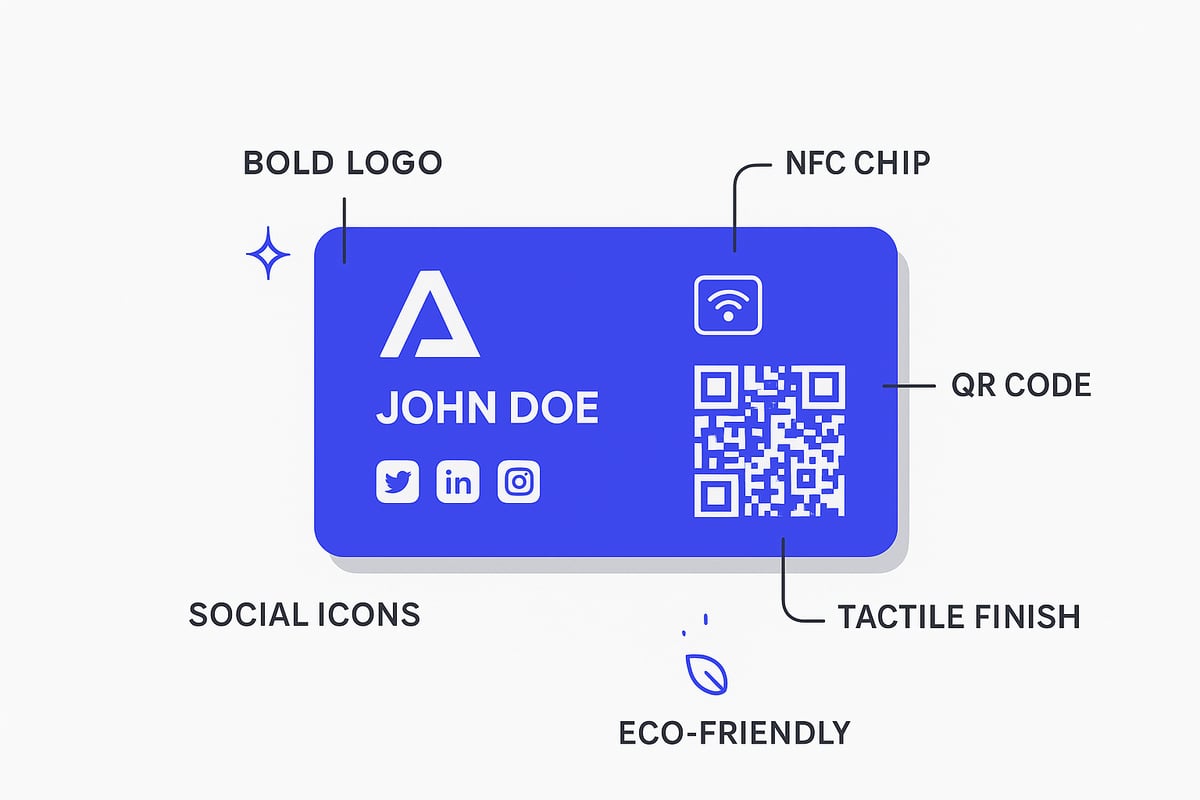
Every custom business card should deliver your core message at a glance. Start with your name, professional title, and company name. Add your logo as a visual anchor. Always include up-to-date contact details: phone, email, and website. Social handles are a must for digital-savvy audiences.
In 2026, QR codes and digital links are more important than ever. Cards with QR codes see 630% more follow-ups, making them a powerful tool for engagement. Consider a dynamic QR code that leads to your latest portfolio, LinkedIn, or booking page.
Balance is key. While minimalism is trending, do not sacrifice vital information. Use the space wisely so your custom business cards remain clear, functional, and visually appealing.
Design Principles for Maximum Impact
The design of your custom business cards speaks volumes before a word is exchanged. Prioritize color psychology to reflect your brand’s personality, using consistent hues across all materials. Font choice affects readability and professionalism—modern sans-serifs or bold, expressive typefaces can both work, depending on your brand.
White space is not wasted space. It draws the eye and keeps cards from feeling cluttered. Custom shapes, such as squares or circles, catch attention and set your card apart. Die cuts and creative layouts add tactile interest and memorability.
Look to industry leaders for inspiration. Many brands now feature bold geometric patterns or personalized monograms. For more on how typography is evolving, explore the Typography trends for 2026.
Material and Finish Options
Your choice of material transforms how custom business cards are perceived. Standard options include matte, glossy, and soft-touch paper stocks, each offering a distinct feel. Premium materials—like plastic, metal, cotton, or recycled paper—signal quality and innovation.
Special finishes elevate your cards further. Consider foil accents, embossing, spot UV, or painted edges for extra flair. These tactile touches can increase retention rates, as industry surveys confirm.
Selecting the right combination of material and finish involves weighing durability, style, and brand message. For the latest insights on finishes and materials, see the Print trends 2026 overview.
| Material | Perception | Durability | Eco-Friendly |
|---|---|---|---|
| Matte | Modern, subtle | Medium | Often |
| Glossy | Bold, vibrant | High | Sometimes |
| Soft Touch | Luxurious, smooth | Medium | Sometimes |
| Metal | Cutting-edge | Very High | Rare |
| Recycled | Sustainable | Medium | Always |
Incorporating Technology and Interactivity
Custom business cards in 2026 go far beyond paper. NFC chips enable tap-and-share functionality, letting contacts save your info in seconds. Dynamic QR codes can link to portfolios, videos, or contact forms, making each card a living marketing tool.
Augmented reality (AR) features allow your card to display immersive content when scanned. Innovative brands now use NFC cards for instant lead capture at events, boosting both engagement and data collection.
When adding tech, always consider user experience. Test compatibility across devices, and make sure your interactive features are intuitive. These advances ensure your custom business cards stand out and deliver measurable results in every networking scenario.
Step-by-Step Guide: Designing Your Custom Business Card in 2026
Designing standout custom business cards in 2026 is a strategic process built on both creativity and precision. Each step you take, from defining your brand identity to distributing the final card, can make a lasting impression on your professional contacts.
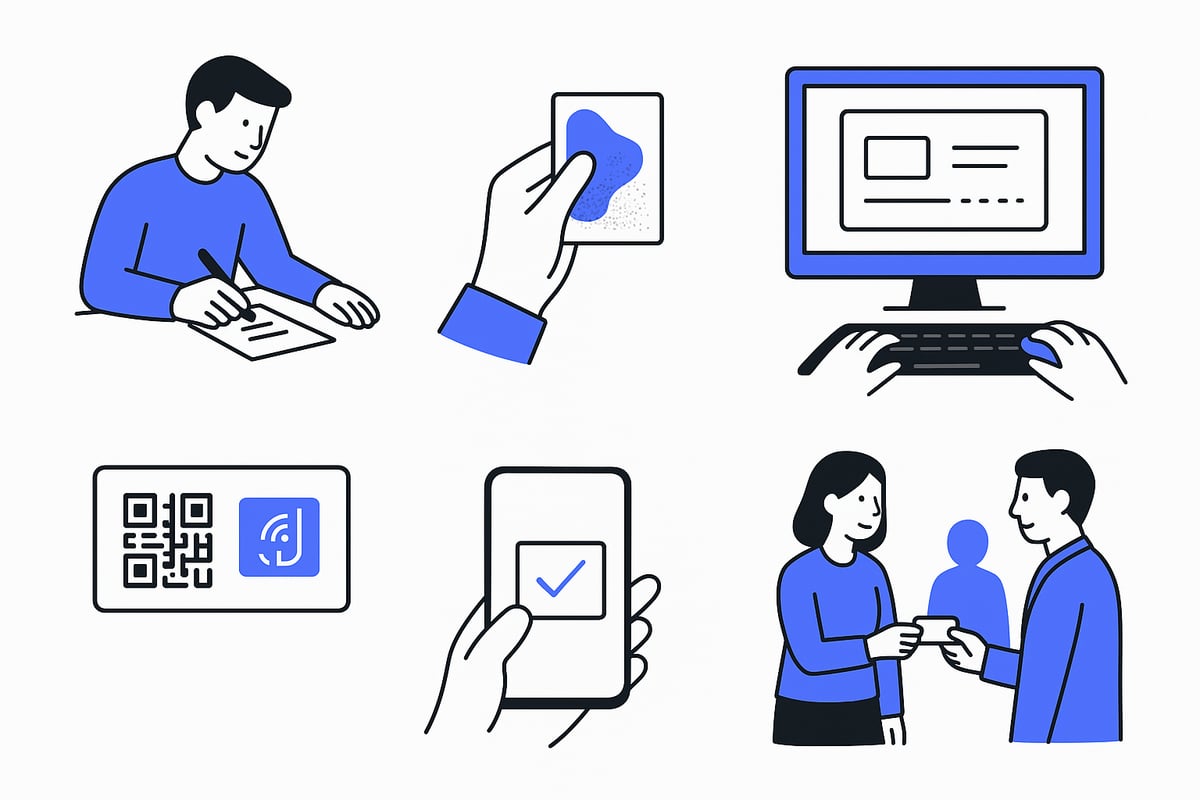
Step 1: Define Your Brand and Objectives
Begin by clarifying your brand’s visual identity. Consider your logo, color palette, and overall message. Ask yourself: what do you want your custom business cards to communicate? Are you aiming for networking, lead capture, or brand awareness?
Align your card’s design with your company culture and target audience. For example, a nonprofit might opt for green, eco-themed cards to reinforce its mission. Set measurable goals, such as increasing contact conversions or driving website visits.
A clear vision ensures every design choice supports your objectives. Remember, your custom business cards are an extension of your professional story.
Step 2: Choose the Right Card Format and Size
Selecting the right format sets the tone for your custom business cards. While standard sizes remain popular, creative shapes like squares, circles, or mini cards are gaining traction.
Think about your industry’s norms, as well as opportunities to stand out. Folded or double-sided cards provide more space for information or interactive features. Specialty formats, such as NFC-enabled cards, are trending in tech sectors.
Match the format to your intended use. For instance, a bold shape works well at events, while a compact card might suit one-on-one meetings. The right choice enhances both function and creativity.
Step 3: Select Materials and Finishes
Material choice impacts how your custom business cards are perceived. Compare durable stocks like matte, glossy, and textured finishes. Premium options, such as soft-touch or ultra-thick cards, elevate your brand’s image.
Explore unique materials, from plastic and metal to cotton and recycled paper. Special finishes like foil, embossing, or painted edges add tactile appeal. Luxury brands often use ultra-thick, soft-touch cards to convey exclusivity.
Weigh cost against perceived value. Sustainable materials can reinforce your commitment to eco-friendly practices without sacrificing style or durability.
Step 4: Design Your Card Layout and Visual Elements
The visual layout of your custom business cards should balance clarity with creativity. Place your logo, contact details, and visuals so they are easy to find and read. Use brand colors and consistent fonts to create a cohesive look across all materials.
White space is essential for visual appeal and readability. Incorporate modern touches like custom shapes or die cuts. For inspiration, explore graphic design trends for 2026, which highlight bold geometric patterns and tactile elements.
Consider embedding tech features, such as QR codes or NFC chips, without cluttering the card. Healthcare professionals, for instance, might use gradient backgrounds and clear hierarchies to organize information. Whether working with a template or crafting a custom design, always prioritize the user experience. Your custom business cards should leave a memorable impression.
Step 5: Add Interactive and Digital Features
Boost engagement by integrating digital features into your custom business cards. Dynamic QR codes can link to real-time portfolios, booking pages, or contact forms. NFC chip integration enables instant sharing of digital profiles with a simple tap.
Make sure your cards are compatible across devices and platforms. Some businesses use built-in appointment scheduling via QR codes, streamlining client interactions. Interactive elements not only modernize your cards but also create measurable touchpoints for follow-up.
A well-executed blend of physical and digital features sets your custom business cards apart in any networking environment.
Step 6: Proof, Print, and Test
Before printing your custom business cards, thorough proofreading is essential. Check every detail, from spelling to contact info. Request print samples to verify color accuracy, material feel, and overall quality.
Test all tech features, such as QR codes or NFC chips, to ensure seamless performance. Many companies, like VistaPrint, offer free sample kits to help you make informed decisions.
Quality assurance at this stage prevents costly errors and ensures your custom business cards reflect your brand at its best.
Step 7: Plan for Distribution and Follow-Up
Strategize how you will distribute your custom business cards for maximum impact. Hand them out at key events, client meetings, or include them in mailers. For virtual networking, use digital sharing options.
Track engagement whenever possible using analytics or business card scanners at trade shows. Effective follow-up, whether via email or LinkedIn, turns a simple card exchange into a valuable business connection.
A thoughtful distribution plan ensures your custom business cards support your broader networking goals.
Digital Business Cards: The Modern Alternative
The landscape of custom business cards has transformed dramatically with the rise of digital alternatives. In 2026, professionals are embracing digital business cards to streamline networking, integrate richer media, and offer flexible updates. Unlike traditional paper cards, digital versions serve as dynamic extensions of your brand, making every introduction memorable.
What Are Digital Business Cards?
Digital business cards are electronic versions of traditional cards, designed to be shared instantly via QR codes, NFC, links, or wallet integration. They allow seamless sharing of contact details, social profiles, and multimedia content, ensuring your information is always current.
Unlike classic custom business cards, digital options can be updated in real time, eliminating the need for costly reprints. They support interactive elements, such as embedded videos or scheduling links, and are easily accessed from any device.
Adoption is accelerating, with 60% of Fortune 500 companies using digital cards in 2026. This shift reflects new priorities in networking, emphasizing convenience, sustainability, and connectivity.
Advantages of Going Digital
Digital business cards offer a range of benefits that elevate your networking strategy beyond what paper can provide. Here’s why more professionals are choosing digital solutions for their custom business cards:
- Instant Updates: Edit details or branding anytime, ensuring accuracy.
- Eco-Friendly: Reduce paper waste and carbon footprint.
- Cost-Effective: No need to reorder or reprint as your role changes.
- Analytics: Track card opens, shares, and follow-ups for measurable ROI.
- CRM Integration: Sync contacts directly with marketing and sales tools.
- Versatile Sharing: Distribute via email, SMS, social media, NFC, or even virtual backgrounds.
Sales teams, for instance, report faster lead conversion when using digital cards, as they can connect instantly and capture data in real time. Digital custom business cards also support multimedia, such as product demos or video intros, helping you stand out in a crowded market.
Spreadly: The Future of Custom Digital Business Cards
Spreadly is setting the standard for custom business cards in the digital age. Their platform lets you design interactive cards with your branding, colors, and even photo or video backgrounds, all without needing a separate app.
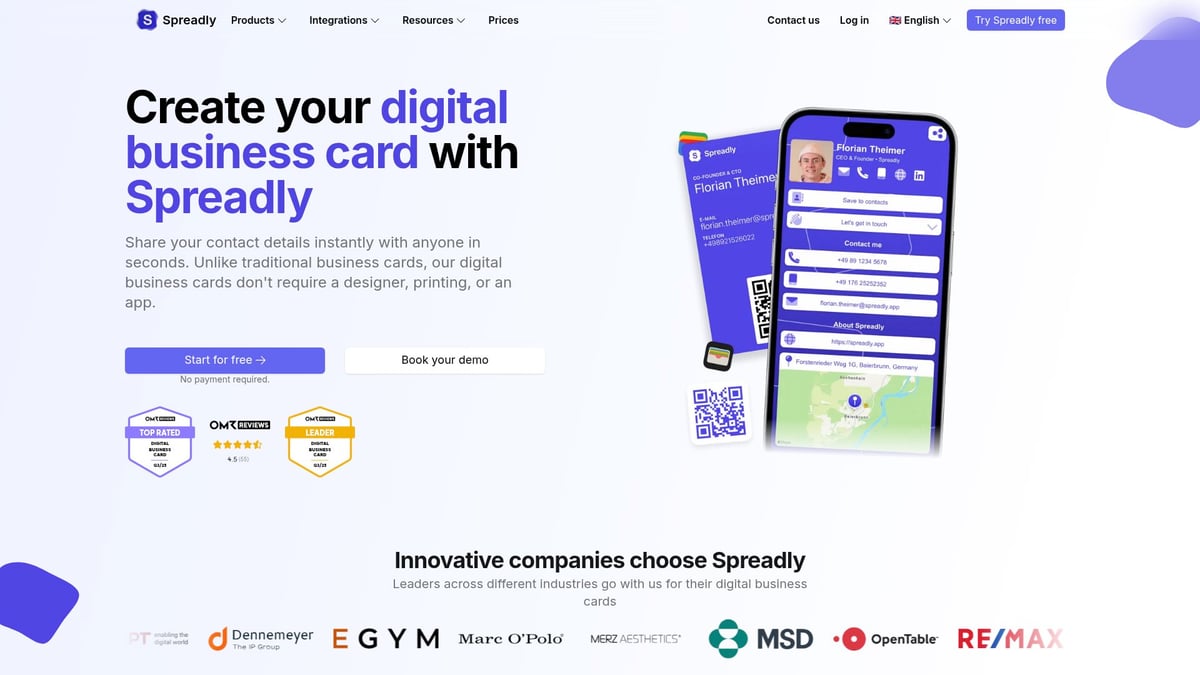
Key features include:
- Share via link, QR code, NFC, or directly to Google and Apple Wallet.
- Built-in lead forms, appointment scheduling, and product embeds.
- Team management tools for HR and CRM integration.
- GDPR compliance and a Europe-focused infrastructure.
- Trusted by major brands like American Express GBT, TeamViewer, and Ubisoft.
Spreadly’s data-driven approach proves its value—users see 38% more engagement and up to 630% more follow-ups compared to legacy options. With millions of custom business cards shared, Spreadly delivers both flexibility and measurable results. Anyone can get started for free, and recipients never need to download an app, making networking seamless and efficient.
Sustainable and Eco-Friendly Business Card Solutions
Sustainability is no longer a buzzword in 2026, it is a core business value. As companies and professionals rethink their impact, the environmental footprint of custom business cards is under greater scrutiny. Choosing sustainable options not only benefits the planet but also aligns your brand with what modern clients expect.
A recent industry survey shows that 70% of professionals now prefer eco-friendly cards. This shift comes from rising concerns about paper waste and the carbon footprint tied to traditional printing. Regulatory bodies and industry leaders are also setting new standards that encourage green practices.
For example, many companies are proactively adopting recycled and biodegradable materials for their custom business cards. This move signals a commitment to responsible business, which can be a differentiator in a crowded marketplace.
Why Sustainability Matters in 2026
The world is more conscious of environmental responsibility than ever before. Custom business cards are a small but visible part of a company’s sustainability journey. Every card printed with recycled materials or produced digitally helps reduce overall waste.
Consumers and clients are actively seeking brands that make green choices. When your custom business cards showcase eco-friendly features, you are making a statement about your values. This can build trust and attract like-minded partners.
Industry data backs this up. With 70% of professionals indicating a preference for eco-friendly solutions, not adapting can mean falling behind competitors. Regulations are also tightening, with more organizations expected to comply with sustainability standards in the coming years.
For many, the switch to greener custom business cards is a simple yet powerful step toward positive change. Companies that lead in this area will be seen as forward-thinking and responsible.
Eco-Friendly Materials and Printing Options
There are now more sustainable choices than ever for custom business cards. Materials like recycled paper, cotton, bamboo, and biodegradable plastics are popular. These options reduce reliance on virgin resources and lower environmental impact.
Eco-friendly inks are also important. Soy-based and water-based inks minimize toxicity and make recycling easier. Digital-only cards offer a zero-waste alternative, eliminating the need for physical materials.
When evaluating options, look for certifications such as FSC or Green Seal. These indicate responsible sourcing and environmentally sensitive production. For a rustic, natural look, kraft paper cards are a favorite among brands seeking authenticity.
| Material | Key Benefit | Eco Certification |
|---|---|---|
| Recycled Paper | Lowers waste | FSC, Green Seal |
| Cotton | Renewable resource | GOTS, OEKO-TEX |
| Bamboo | Fast-growing crop | FSC, Rainforest Alliance |
| Bioplastics | Biodegradable | ASTM D6400, EN 13432 |
Selecting the right materials ensures your custom business cards align with your sustainability goals and brand image.
How to Make Your Business Card Strategy More Sustainable
Making sustainable choices with custom business cards goes beyond materials. Start by choosing local printers to cut down on shipping emissions. Printing in small batches or on demand minimizes waste and ensures you only use what you need.
Digital sharing is another effective strategy. Hybrid cards combine physical presence with digital convenience, letting you share contact info without creating excess waste. Old cards should be recycled, and refillable NFC cards can be used for multiple years to reduce consumption.
Enterprises are increasingly issuing NFC-enabled custom business cards to employees for ongoing use. This approach supports both sustainability and efficiency. By building these practices into your business card strategy, you can demonstrate leadership in environmental responsibility and set a positive example for your industry.
Maximizing ROI: Using Custom Business Cards for Marketing and Networking Success
In 2026, custom business cards are more than just a formality; they are a strategic tool for driving measurable results in marketing and networking. To maximize your return on investment, it is essential to approach distribution, integration, and follow-up with precision.
Strategic Distribution for Maximum Impact
Distributing custom business cards thoughtfully ensures your brand stays top of mind. Identify high-value moments and locations to make each card count.
- Trade shows and conferences
- Client meetings and presentations
- Networking events and workshops
- Direct mail campaigns
- Referral and loyalty program touchpoints
Combine digital and physical cards for broader reach. For instance, real estate professionals use custom business cards as appointment reminders, boosting recall and engagement. Analytics tools can track which distribution channels yield the most leads, allowing you to refine your approach over time.
Integrating Business Cards with Digital Marketing
Custom business cards are powerful connectors between offline introductions and online engagement. By integrating digital features, you can link cards to landing pages, social media, or special offers.
| Integration | Benefit | Example |
|---|---|---|
| QR codes | Drive to landing pages | Exclusive content |
| NFC chips | Instant contact saving | Digital portfolios |
| CRM sync | Automated lead capture | Follow-up emails |
Sales teams using cards with embedded videos or booking links often see higher conversion rates. Syncing card interactions with CRM and email platforms streamlines follow-up and tracks the customer journey. Leveraging these integrations with custom business cards can turn simple exchanges into actionable marketing data.
Measuring Success: Analytics and Follow-Up
To optimize your custom business cards strategy, set clear KPIs such as engagement rates, leads generated, and conversions. Use analytics tools to track scans, shares, and interactions.
- Track QR code scans and NFC taps
- Monitor website visits from card links
- Measure follow-up rates post-exchange
Companies report up to 38% higher engagement with interactive cards. Regularly reviewing analytics helps refine designs and distribution methods for better ROI. Effective follow-up after card exchanges, such as personalized emails or LinkedIn connections, transforms initial contact into lasting relationships.
Business Card Etiquette in 2026
Modern networking blends tradition with technology. Proper etiquette enhances the impact of your custom business cards, whether shared in person or virtually.
Best practices include:
- Presenting cards with both hands in formal settings
- Respecting cultural norms for international contacts
- Following up promptly after exchanges via email or professional networks
At virtual events, digital card exchanges with instant follow-ups are now standard. These practices maintain professionalism and foster stronger connections.
Case Studies: Brands Winning with Custom Business Cards
Across industries, organizations leverage custom business cards to achieve measurable success.
- A tech startup used NFC-enabled cards, leading to a 25% increase in demo requests.
- A finance firm integrated appointment scheduling, improving follow-up rates.
- A creative agency’s embossed, QR-coded cards drove 40% more portfolio visits.
These examples show how custom business cards, when used strategically, can drive engagement, generate leads, and deliver tangible business outcomes.
After exploring the latest trends in custom business cards and seeing how digital solutions like Spreadly can make networking smarter and more memorable, you might be curious about how this all fits your personal or team goals in 2026. If you want to see firsthand how easy it is to create a modern, interactive business card—without needing a designer or juggling multiple tools—I encourage you to try for free. Experience how quickly you can customize your digital card, share it anywhere, and start making stronger connections right away.