9 Brilliant Good Business Cards Ideas to Stand Out in 2026
11 minutes
17th of January 2026
In this article:
- Why Business Cards Still Matter in 2026
- The Evolution of Business Card Design Trends
- 9 Brilliant Good Business Cards Ideas to Stand Out in 2026
- How to Choose the Right Business Card Idea for Your Brand
The world of networking is transforming as professionals search for good business cards that capture attention in a digital-first era. In 2026, standing out means embracing new creative possibilities that bridge physical and digital worlds.
This article explores 9 brilliant good business cards ideas, from interactive tech to eco-friendly designs. Discover how cutting-edge trends, personalized touches, and smart features can help you make a lasting impression and elevate your brand.
Why Business Cards Still Matter in 2026
Despite the rise of digital communication, good business cards remain a cornerstone of professional networking in 2026. In a world where virtual meetings and online profiles dominate, the simple act of exchanging a business card continues to make a tangible impact. These cards serve as more than just contact information—they symbolize professionalism, intent, and attention to detail.
Hybrid work environments have only strengthened the case for good business cards. Professionals now blend physical and digital networking, using cards that seamlessly link offline introductions to online engagement. Many modern business cards include QR codes or NFC chips, bridging the gap between traditional and digital experiences. According to Digital Business Card Market Statistics, the adoption of digital and hybrid cards has surged, reflecting a clear preference for solutions that offer flexibility and instant connectivity.
The tactile experience of handing over good business cards creates a memorable first impression. Studies show that physical touch increases brand recall and emotional connection. When someone receives a thoughtfully designed card, it engages multiple senses and reinforces your brand image. This physical exchange stands out compared to a fleeting digital notification, making your introduction more likely to be remembered.
Case studies across industries reveal the continued power of good business cards. In creative fields, unique materials and custom designs help professionals showcase their brand personality. Sales and consulting experts use multi-functional cards that offer more than just contact details, such as embedded portfolios or scheduling links. These innovations add value, turning a simple card into a conversation starter and a tool for ongoing engagement.
Good business cards play a vital role in personal branding and first impressions. They demonstrate preparedness and professionalism, signaling respect for the recipient’s time and attention. As cards evolve to include smart features and eco-friendly materials, their relevance persists across industries from tech to design. Even in 2026, a well-crafted business card can be the key to unlocking new opportunities and building lasting connections.
The Evolution of Business Card Design Trends
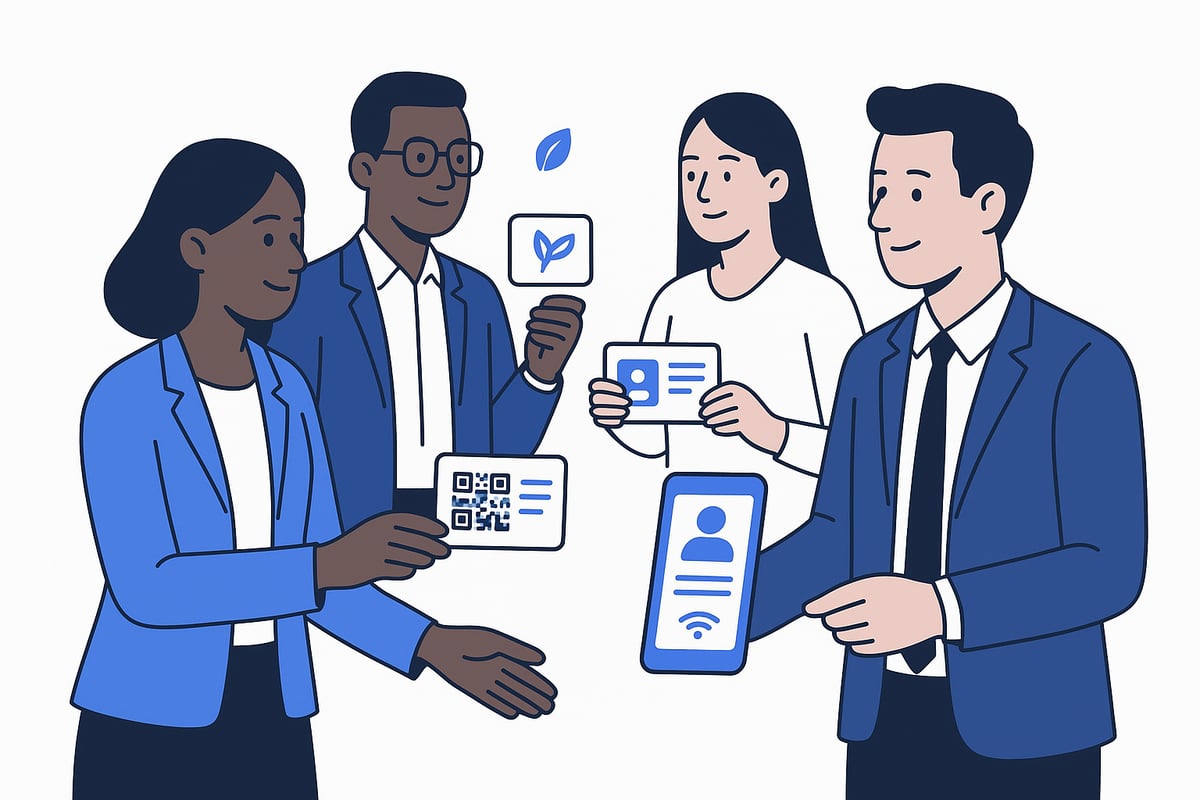
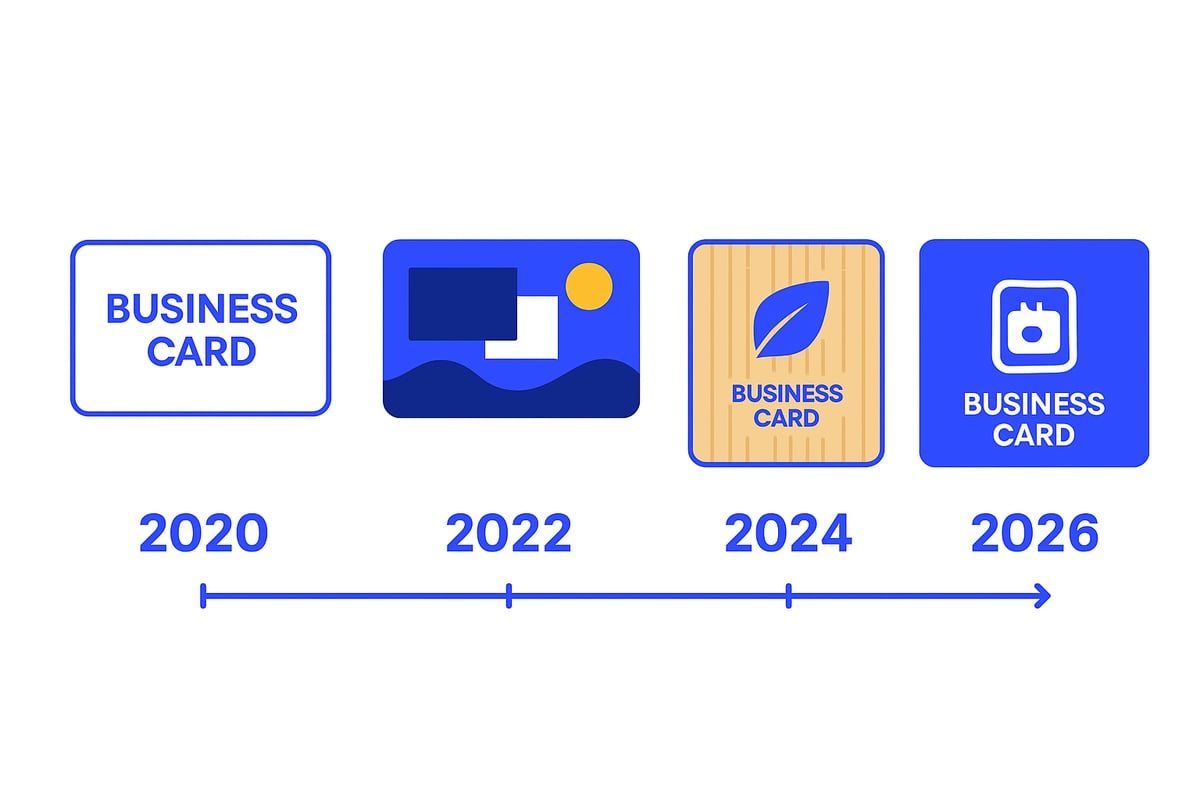
The world of good business cards is experiencing a remarkable transformation as professionals adapt to new branding demands. Since 2020, the shift from standard layouts to innovative, visually compelling designs has accelerated. Today, design trends are influenced by technology, sustainability, and the desire for meaningful connections. Business cards are no longer just informational—they are strategic tools that reflect your unique brand identity.
Minimalist vs. Maximalist: Choosing Your Statement
Minimalism has surged in popularity, with many professionals now preferring clean layouts, ample white space, and subtle textures. This approach lets good business cards cut through visual noise and communicate professionalism instantly. In contrast, maximalist designs—featuring bold colors, intricate patterns, and layered elements—make a striking impression when brand personality calls for it. The right approach depends on your industry, audience, and the story you want your card to tell.
Brand Storytelling and Personal Touches
Modern card designs go beyond aesthetics. They weave in brand storytelling through custom illustrations, unique taglines, or even interactive elements. These details help recipients remember not just your name, but the essence of your business. Cards that integrate personal stories or memorable visuals foster stronger connections and leave a lasting mark.
Eco-Friendly Materials and Printing
Sustainability has become a core value in good business cards. The rise of recycled paper, bamboo, seed paper, and soy-based inks reflects a growing demand for eco-friendly networking tools. According to recent industry insights, eco-conscious materials are not only better for the planet but also boost brand image among environmentally aware clients. For an in-depth look at where these trends are heading, see the latest Business Card Design Trends 2026.
Color Psychology, Typography, and Format Innovation
Smart use of color psychology and distinctive typography is shaping how brands express themselves. Good business cards now feature palettes that evoke trust, creativity, or boldness, depending on the desired perception. Unique fonts and tactile finishes, such as embossing or foil, further reinforce brand character.
A growing number of professionals (over 30 percent, according to recent surveys) now opt for non-traditional card shapes and finishes. Circular, square, or die-cut cards draw attention and help brands break free from the ordinary.
Standout Brands and Future Predictions
Major brands are leading with innovative cards—think textured surfaces, AR elements, or integrated NFC chips. These examples inspire others to experiment with materials and interactivity, ensuring their good business cards do not get lost in a sea of sameness.
Looking ahead, expect continued growth in digital integrations, sustainable materials, and hyper-personalized touches. Good business cards will remain a canvas for creativity, combining tactile appeal with smart technology to help professionals stand out in 2026 and beyond.
9 Brilliant Good Business Cards Ideas to Stand Out in 2026
Standing out with good business cards is more important than ever in 2026. As networking evolves, the right business card can create lasting impressions, spark conversations, and open new opportunities. Here are nine forward-thinking ideas that redefine what good business cards can achieve.
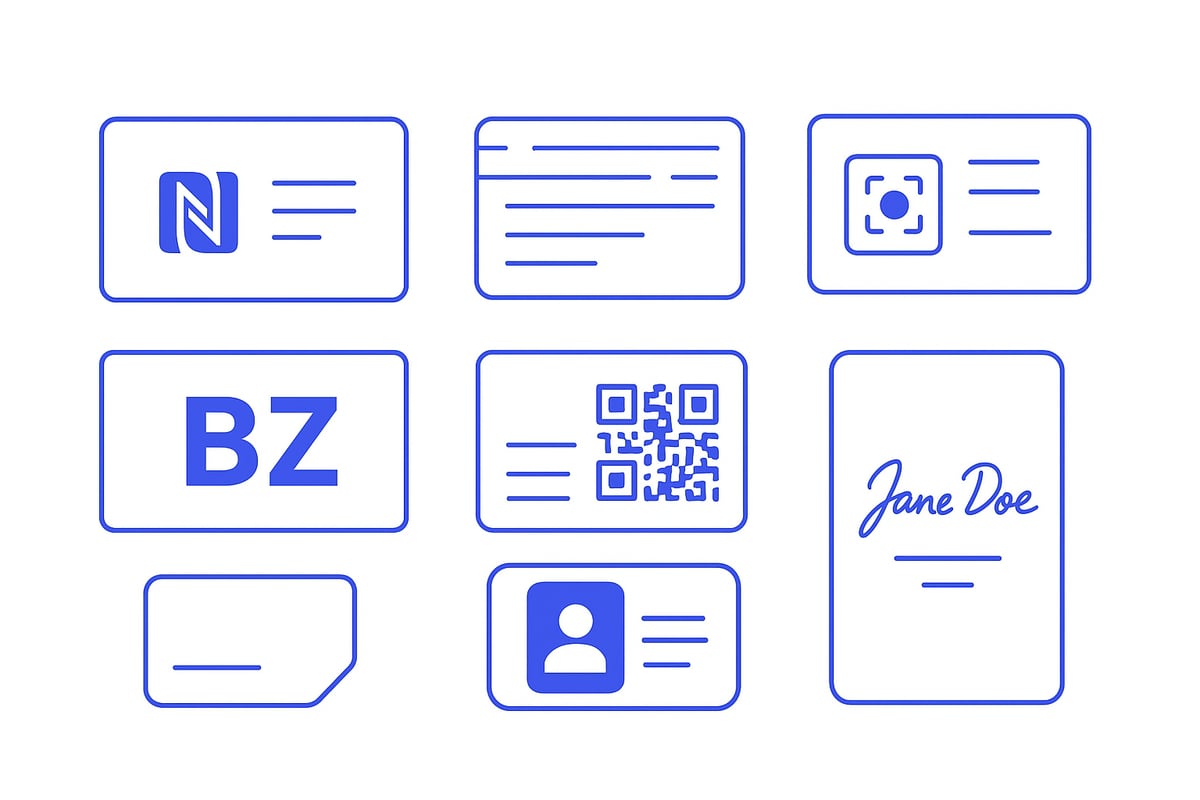
1. Interactive NFC-Enabled Business Cards
NFC (Near Field Communication) technology is transforming good business cards into smart networking tools. With a simple tap, these cards instantly share digital contact details, portfolios, or social media profiles to a smartphone. This eliminates the need for manual entry, making networking effortless and memorable.
NFC business cards are popular at conferences and in tech-driven industries, where speed and innovation matter. For example, a creative professional can use an NFC card to link directly to a portfolio or booking page. Providers like Popl and Mobilo have seen widespread adoption, with the NFC Business Card Market Growth showing a strong upward trend since 2022.
Benefits include eco-friendliness, as one card can be reused, and enhanced engagement. To integrate NFC chips, design your card with a clear tap zone and ensure the chip is securely embedded. As good business cards get smarter, NFC integration sets a new standard for convenience and innovation.
2. Sustainable and Eco-Friendly Materials
Sustainability is a driving force behind the next generation of good business cards. Clients and partners notice when brands prioritize the environment. Today, eco-friendly options include recycled paper, bamboo, cork, and even seed paper that can be planted after use.
Switching to sustainable materials drastically reduces your carbon footprint and business waste. According to Sustainable Business Card Materials, more brands are choosing green options for both environmental and marketing benefits.
Creative approaches like plantable cards, biodegradable laminates, and soy-based inks are gaining traction. Companies leading the way report stronger client relationships and improved brand image. Eco-friendly good business cards signal responsibility and appeal to eco-conscious customers, giving your brand a modern, ethical edge.
3. Augmented Reality (AR) Business Cards
Augmented reality is bringing good business cards to life with interactive features. By scanning the card with a smartphone, recipients can view video intros, explore 3D models, or interact with animated portfolios. This immersive experience makes your brand unforgettable.
Industries like real estate, design, and technology benefit most from AR cards, turning static information into dynamic presentations. Platforms like Layar and Zappar offer user-friendly tools for creating AR-enabled cards. Studies show AR cards lead to higher engagement rates compared to traditional cards.
To design effective AR good business cards, keep visuals clear and ensure the AR experience is relevant to your brand. This technology bridges the physical and digital, making every introduction truly memorable.
4. Minimalist and Ultra-Modern Designs
Minimalism is a timeless trend that continues to define good business cards in 2026. Clean layouts, generous white space, and high-contrast color schemes cut through the visual clutter. Subtle textures and premium finishes add sophistication without overwhelming the design.
Brands like Apple and Muji are known for iconic minimalist cards that communicate confidence and professionalism. Research shows that minimalist designs are easier to remember and signal trustworthiness.
When creating minimalist good business cards, focus on legibility and strategic use of color. Balance simplicity with a unique brand element, such as a custom logo or distinctive font, to ensure your card is both understated and memorable.
5. Multi-Functional Cards with QR Codes
QR codes are making a comeback on good business cards, giving them new utility and versatility. A well-placed QR code can link directly to your portfolio, scheduling system, or social media, providing instant access to more information than a traditional card.
Best practices include placing the QR code where it is easy to scan but does not dominate the design. Use branded colors and consider custom shapes to integrate the code seamlessly. Since 2023, QR code usage in business networking has surged, reflecting the demand for instant connectivity.
Creative applications include linking to event check-ins, downloadable vCards, or exclusive offers. Good business cards with QR codes bridge offline and online interactions, making follow-up effortless.
6. Custom Shapes and Die-Cut Business Cards
Unique shapes are helping good business cards break the mold and capture attention. Custom die-cuts allow for circles, ovals, mini-folds, or silhouettes that reflect your brand identity. These distinctive cards stand out in a stack and spark curiosity.
Technical considerations include choosing durable materials and ensuring high print quality. While custom shapes may cost more, the impact is often worth it for industries like design, hospitality, or consulting.
Companies using unconventional shapes often report increased inquiries and stronger brand recall. When designing die-cut good business cards, balance creativity with functionality to ensure your card remains practical for everyday use.
7. Rich Media Digital Business Cards
Digital transformation is giving rise to good business cards that exist entirely online. Rich media digital cards feature videos, lead capture forms, and file-sharing capabilities. They can be updated in real time, ensuring your information is always current.
Platforms like HiHello and CamCard offer customizable digital cards with analytics to measure engagement. Users appreciate the cost savings and scalability, especially for remote teams and global networking.
A 2026 survey shows many professionals now prefer digital good business cards for their interactivity and convenience. Digital cards also reduce paper waste, adding another layer of value to your brand.
8. Personalized and Handcrafted Touches
Personalization is a powerful way to make good business cards unforgettable. Adding handwritten notes, custom illustrations, or artisanal printing techniques such as letterpress or foil stamping creates a sense of authenticity.
Small businesses and freelancers can use calligraphy or embossing to add a unique touch, even when producing cards at scale. These handcrafted elements foster stronger connections and higher follow-up rates.
Data shows that recipients are more likely to remember and act on personalized good business cards. By investing in these details, you show clients and partners that you value meaningful relationships.
9. Smart Digital Business Cards for Teams and Enterprises
Enterprises are redefining good business cards with smart digital platforms. These solutions offer HR and CRM integrations, centralized brand control, and detailed analytics. Features like instant updates and secure sharing support compliance and data privacy.
Large organizations and sales teams benefit from unified platforms, ensuring consistent branding and efficient management. Companies using smart digital good business cards report improved ROI and better engagement at events.
When comparing enterprise solutions, look for features like team directories, role-based access, and integration with existing software. Smart digital cards are setting a new benchmark for professionalism and efficiency in corporate networking.
How to Choose the Right Business Card Idea for Your Brand
Choosing the best approach for your good business cards is a strategic decision that goes beyond aesthetics. The right card can amplify your brand, spark conversations, and create lasting impressions. Start by evaluating what your business stands for and who you want to connect with in 2026.
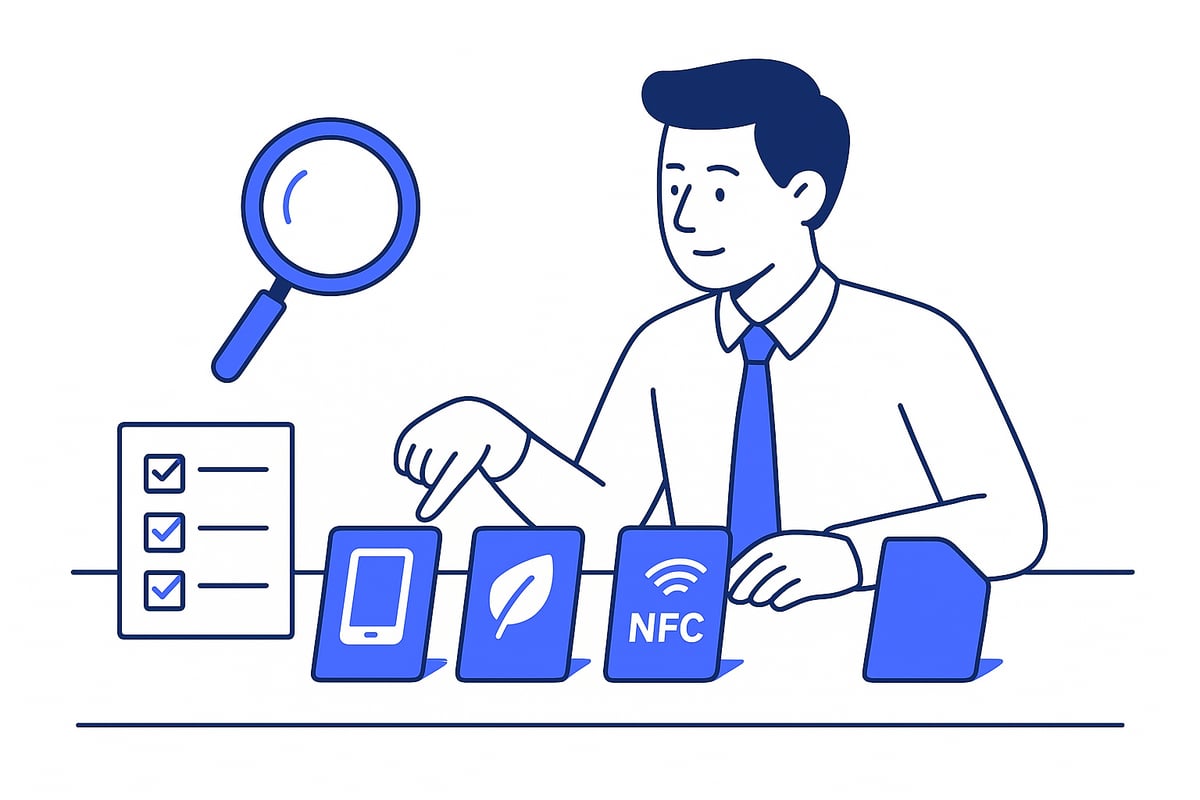
Assess Your Brand and Audience
Begin by reflecting on your brand’s identity, values, and the message you want to convey. Are you aiming for a modern, tech-forward image, or does your brand emphasize sustainability and personal connection? Align your good business cards with your brand’s personality and the expectations of your target audience.
Research current industry trends and see what resonates in your sector. For example, creative fields may benefit from bold designs or AR features, while consulting firms might prefer minimalist layouts for a polished look.
- Identify your core brand attributes
- Consider your target clients’ preferences
- Analyze competitor card designs for inspiration
Weigh Innovation, Functionality, and Cost
Balance eye-catching innovation with practicality. While interactive or digital cards can impress, they must still serve their primary function: making it easy to connect and follow up. Consider the logistics of distribution, ease of use, and compatibility with your existing marketing tools.
Cost is another key factor. Compare upfront investment for advanced features like NFC or AR with the long-term ROI they might deliver. Sustainable materials can enhance your reputation and appeal to eco-conscious clients, but evaluate scalability if you need large quantities.
Test prototypes and seek feedback from colleagues before finalizing your good business cards. Adjust based on real-world impressions to ensure your card stands out for the right reasons.
Checklist: Selecting Your Good Business Cards for 2026
Before making your final choice, review this checklist:
- Does the card reflect your brand identity and values?
- Is it practical and easy for recipients to use?
- Have you considered sustainability and scalability?
- Is the investment justified by potential business impact?
- Have you gathered feedback from trusted peers?
- Does it align with industry trends and client expectations?
For further inspiration, browse Moo’s business card gallery to see how others have successfully aligned their card designs with their brand goals.
Taking a thoughtful, strategic approach will ensure your good business cards help you make a memorable and meaningful impression throughout 2026.
After exploring these innovative business card ideas, you can see how the right card sets you apart in a competitive, digital-first world. Whether you're drawn to rich media, smart integrations, or eco-friendly designs, a modern approach can make your networking unforgettable. If you're ready to put these trends into action and experience the benefits firsthand, you don't have to wait. You can easily create a customizable digital business card that reflects your brand and keeps you ahead of the curve. Start your journey to more meaningful connections today—Try for free.