Qr Code Business Card Guide: The Essential 2026 Handbook
15 minutes
17th of January 2026
In this article:
- What Are QR Code Business Cards?
- Benefits of QR Code Business Cards in 2026
- How to Create a QR Code Business Card: Step-by-Step Guide
- Best Practices for Designing and Using QR Code Business Cards
- Top Tools and Platforms for QR Code Business Cards in 2026
- The Future of QR Code Business Cards: Trends & Innovations
Imagine handing over a business card that instantly connects someone to your entire digital world—no apps, no barriers, just a simple scan. In 2026, the qr code business card stands as an essential tool for professionals, merging physical presence with seamless digital convenience. This handbook is your go-to guide, revealing what these cards are, why they matter, how to create them, and the best practices for modern networking. Are your business cards keeping up with the digital age? Explore how to design, implement, and maximize your networking strategy for lasting impact.
What Are QR Code Business Cards?
Imagine handing someone a business card that instantly bridges the gap between your offline and online presence. That is the magic of a qr code business card, a tool that makes networking seamless in the digital era.
Definition & Core Concept
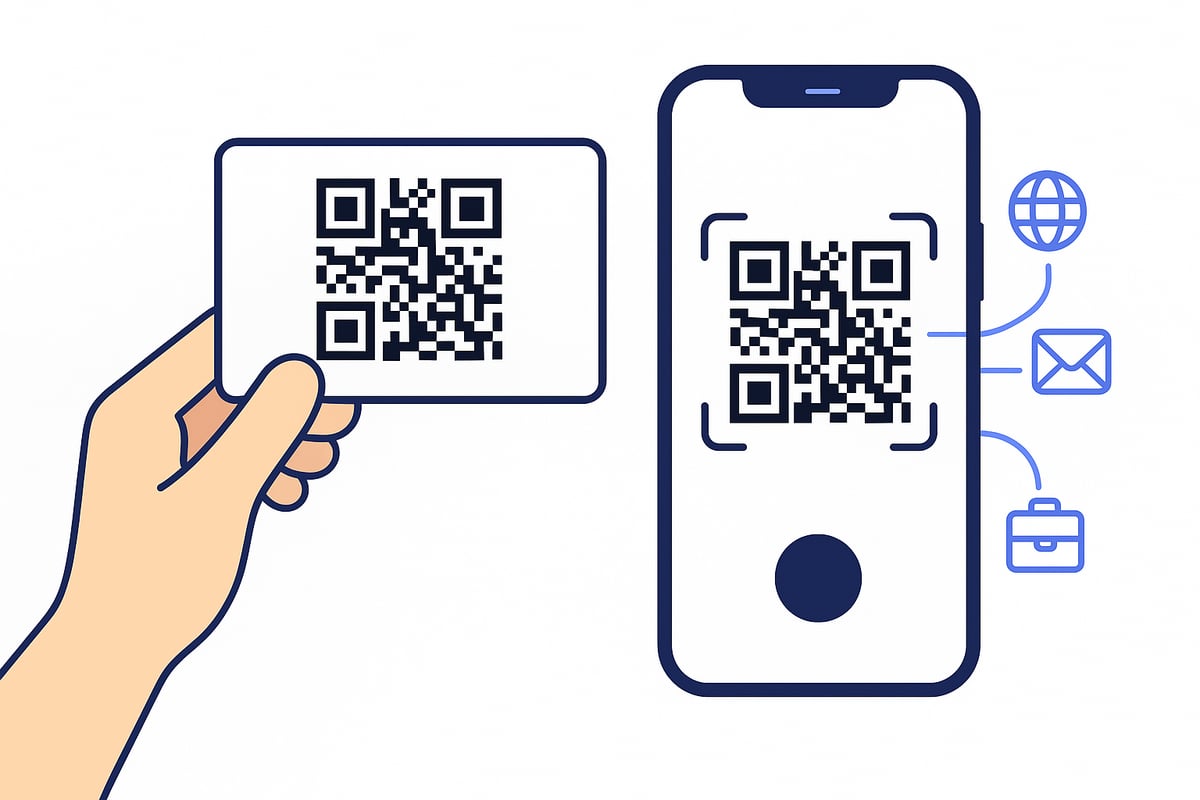
A qr code business card combines a traditional card with a machine-readable QR code, letting contacts access your digital assets with a quick scan. QR codes themselves are two-dimensional barcodes that store data, instantly readable by most smartphone cameras.
Business cards with QR codes emerged in the early 2010s but have become mainstream as smartphones have become universal. Unlike standard business cards, a qr code business card is interactive, dynamic, and updatable, making it far more versatile.
There are two main types:
| Type | Description | Pros | Cons |
|---|---|---|---|
| Static | Fixed content, never changes | Simple, low cost | Cannot update info |
| Dynamic | Content can be edited anytime | Flexible, trackable | May require account |
Use cases for a qr code business card include:
- Instantly sharing contact information
- Linking to websites, portfolios, or social media
- Providing payment links or digital downloads
For instance, a photographer might use a qr code business card to link directly to their online portfolio, allowing instant access to their best work.
According to QR Code Adoption Statistics 2025, 86% of smartphone users scanned a QR code in 2025, highlighting the growing importance of this technology for professionals.
How QR Code Business Cards Work
Using a qr code business card is straightforward. The recipient simply opens their smartphone camera, points it at the QR code, and is instantly directed to the encoded digital content. This process eliminates manual data entry and reduces errors.
The information embedded in a qr code business card can include:
- vCard details for quick contact saving
- Links to websites, portfolios, or videos
- Downloadable files or lead forms
All modern smartphones support QR scanning natively, so no special app is needed. For example, a real estate agent might hand out a qr code business card that links buyers to a live property listing, complete with photos and virtual tours.
Dynamic qr code business cards offer another layer of control. You can update links or deactivate the QR code if needed, ensuring your information stays current and secure.
A qr code business card is not just a digital shortcut; it is a smart, flexible tool for modern networking.
Benefits of QR Code Business Cards in 2026
In 2026, the qr code business card stands as a pivotal tool for forward-thinking professionals. The shift from traditional cards to digital solutions brings measurable advantages for networking, branding, and sustainability. This section explores the key benefits that make qr code business cards the smart choice for modern business leaders.
Enhanced Networking Efficiency
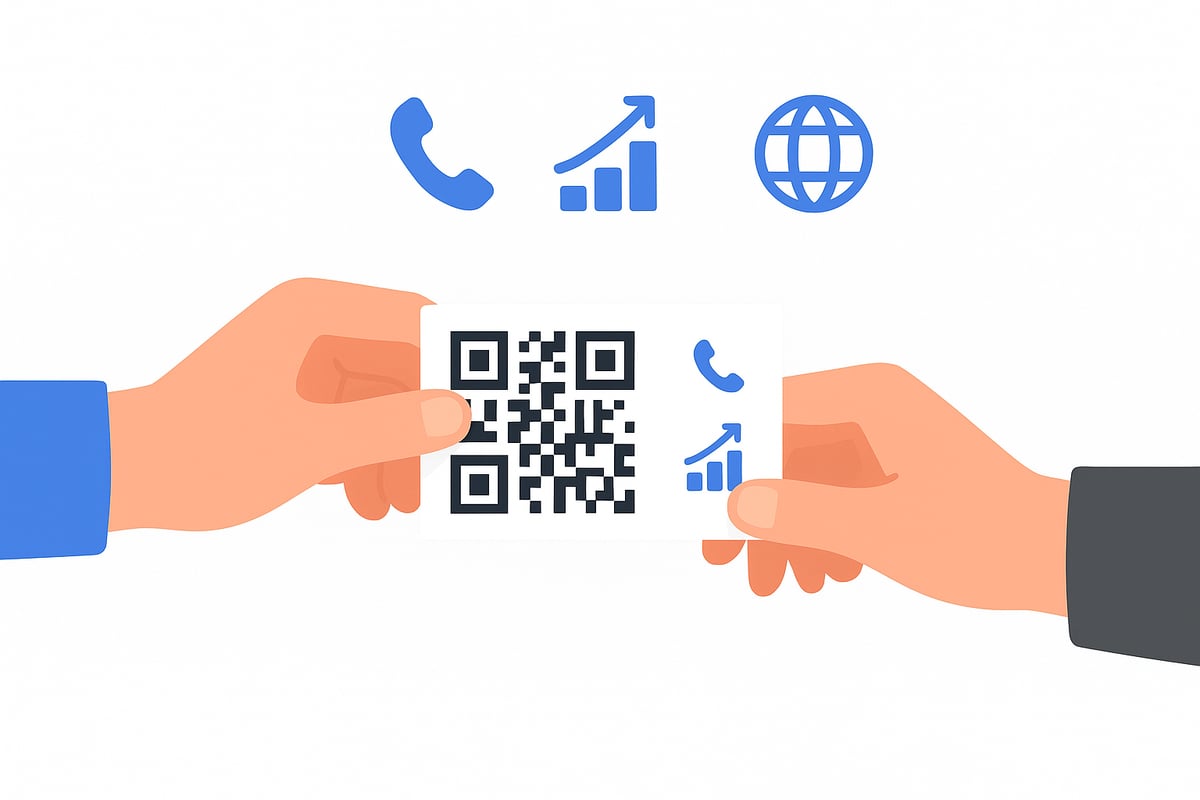
A qr code business card allows professionals to instantly share their most current contact information with a single scan. Gone are the days of manual entry or the risk of handing out outdated cards. With dynamic cards, updates are made centrally and reflected everywhere at once.
This efficiency means you never run out of cards, and you can share your details digitally or physically. For example, a sales leader can update their job title or phone number remotely, ensuring accuracy across all interactions. For a deeper dive into maximizing your networking impact, consider reviewing this QR Code Business Cards Guide.
Rich Media & Interactivity
With a qr code business card, you are not limited to static text. Embed videos, portfolios, or interactive lead forms to engage your audience beyond the handshake. Interactive cards, such as those with scheduling links or augmented content, create memorable experiences and drive deeper engagement.
Recent data shows that interactive qr code business cards achieve up to 38% more engagement than traditional alternatives. Imagine a photographer’s card linking directly to a curated online gallery or a consultant’s card offering instant bookings.
Sustainability & Cost Savings
Switching to a qr code business card significantly reduces paper waste and printing costs. Companies can update all cards after a rebrand or personnel change without discarding old stock. This shift supports corporate sustainability goals and demonstrates environmental responsibility.
For organizations, the savings are multiplied across teams. There is no need for bulk reprints or disposal of obsolete cards. The qr code business card is an eco-friendly alternative that also aligns with digital transformation strategies.
Real-Time Updates & Analytics
A qr code business card enables real-time updates to contact details, links, and media. No more waiting for new prints—changes are instant and global. Dynamic cards also offer analytics, letting you track scans, locations, and engagement rates.
Marketing teams can measure campaign reach by analyzing scan data. This insight helps refine strategies and proves ROI. The qr code business card is not just a contact tool, but a data-driven asset for business growth.
Professionalism & Modern Brand Image
Using a qr code business card signals innovation and tech-savvy professionalism. Custom branding options, from logos to color palettes, reinforce your corporate identity and help you stand out.
Case studies show organizations see up to 630% more follow-ups with digital business cards. Presenting a qr code business card at meetings or events demonstrates your commitment to efficient, modern networking, leaving a lasting impression.
Accessibility & Global Reach
The qr code business card is designed for universal access. With multilingual support, professionals can network internationally without barriers. Sharing options include QR, NFC, direct links, or wallet passes, making your contact info accessible anywhere.
This versatility ensures that you can connect with diverse audiences, regardless of their preferred technology. The qr code business card bridges physical and digital worlds, extending your reach and enhancing your global presence.
How to Create a QR Code Business Card: Step-by-Step Guide
Creating a qr code business card in 2026 is a straightforward process that combines strategy, design, and technology. By following these steps, you can ensure your card stands out and delivers real value at every networking opportunity.
Step 1: Define Your Purpose & Content
Start by clarifying the main objective of your qr code business card. Are you aiming to generate leads, share a portfolio, or streamline contact sharing?
Decide what digital asset your QR code will link to. Options include a vCard, personal website, LinkedIn profile, video introduction, or a scheduling page. For example, a startup founder might link directly to a digital pitch deck, while a freelancer could connect to an online portfolio.
Make sure the linked content is up to date, mobile friendly, and designed to make a strong first impression. This foundation ensures your qr code business card delivers the right message every time.
Step 2: Choose the Right QR Code Generator
Selecting a reliable generator is critical for creating a secure and functional qr code business card. Evaluate generators based on whether they offer static or dynamic QR codes, customization options, analytics, and security features.
Popular choices include Canva, QRCode Monkey, Beaconstac, and MOO. Each offers unique advantages, from advanced analytics to team management features. For a broader perspective on how QR codes are transforming business operations, consult resources like QR Codes in Business 2025.
Compare template availability, branding flexibility, and integration with existing workflows before making your choice. This step ensures your qr code business card aligns with your professional goals.
Step 3: Design Your Card for Impact
Effective design is essential for a qr code business card. Begin by choosing a layout that places the QR code in a prominent, easily scannable position. Avoid placing the code near card edges or over busy backgrounds to prevent scanning issues.
Incorporate your logo, brand colors, and custom fonts for a professional look. Use minimalistic layouts to keep the focus on the QR code and essential contact details.
A fashion brand, for example, might use bold gradients and unique typography to reflect its identity. Remember, a well-designed qr code business card can set you apart in any networking scenario.
Step 4: Generate and Test Your QR Code
Once your design is ready, generate your QR code using the selected platform. Customize the QR code’s color, shape, and frame if supported, but always prioritize contrast for readability.
Test your qr code business card on multiple devices and under different lighting conditions. Ask colleagues to scan the code to identify any usability issues. Common problems include low contrast, codes that are too small, or links that do not open properly.
Regular testing ensures your qr code business card remains reliable and effective, maintaining your professional image at every interaction.
Step 5: Print or Digitally Distribute Your Card
Decide how you want to share your qr code business card. For physical distribution, print on high-quality paper, plastic, or even NFC-enabled cards. Ensure the printed QR code is large enough to scan easily, typically at least 20 mm x 20 mm.
For digital sharing, add your qr code business card to Apple or Google Wallet, email signatures, or virtual meeting backgrounds. Event organizers often distribute digital cards before conferences, streamlining introductions and follow-ups.
Offering both physical and digital options increases your reach and ensures your qr code business card is always accessible.
Step 6: Update and Track Engagement
Dynamic QR codes allow you to update your qr code business card content without reprinting. This feature is ideal for role changes, rebranding, or new campaigns.
Monitor scan analytics to track when, where, and how often your card is accessed. Use these insights to refine your networking strategy and improve results. Adjust the linked content based on engagement data to maximize impact.
Staying proactive with updates guarantees your qr code business card always offers value and relevance in any professional setting.
Spreadly: All-in-One Digital QR Code Business Card Solution
Spreadly simplifies the process of creating, managing, and sharing your qr code business card. The platform supports instant digital cards via QR, NFC, or wallet passes, eliminating the need for design or printing expertise.
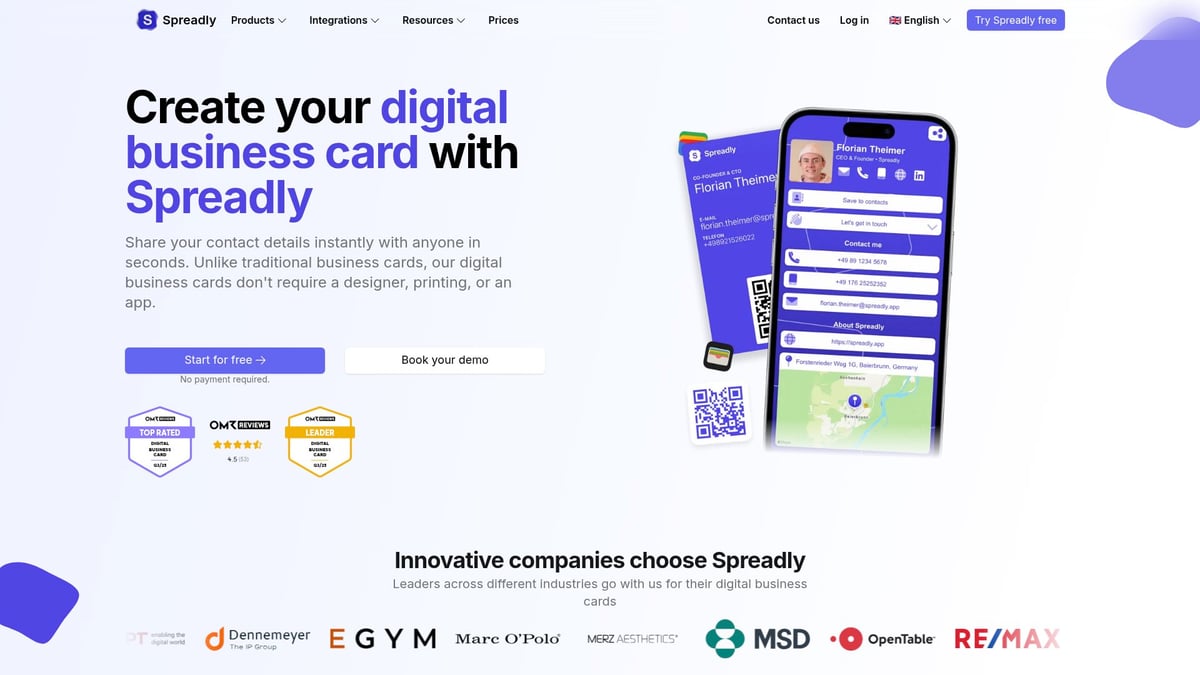
With Spreadly, you can embed videos, files, lead forms, and scheduling links for richer engagement. Teams benefit from centralized management, automated onboarding, and seamless HR integrations. Advanced analytics, AI-powered lead capture, and CRM sync ensure you get measurable results.
Trusted by leading brands, Spreadly offers a free plan and GDPR compliance. Setup is fast, making it an ideal solution for anyone ready to upgrade their qr code business card strategy.
Best Practices for Designing and Using QR Code Business Cards
Stepping into 2026, a well-designed qr code business card is not just a tech upgrade, it is a statement of professionalism and innovation. Adopting best practices ensures your card is more than a digital shortcut, it becomes a bridge to meaningful business connections.
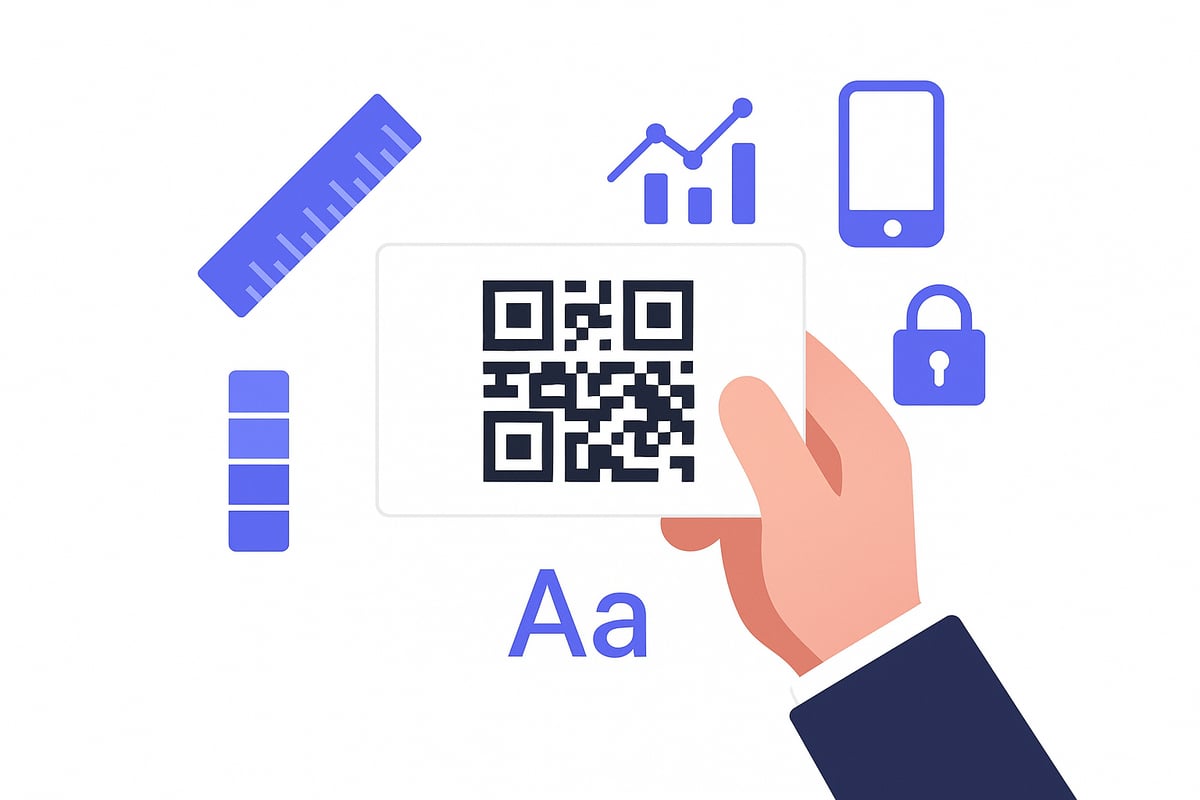
Design Principles for Maximum Impact
A qr code business card should prioritize clarity and scannability. Place the QR code in a central area with at least 1 cm of white space around it to prevent scanning errors. Use high-contrast backgrounds, such as black on white or deep blue on white, for optimal readability.
Maintain brand consistency by incorporating your logo, company colors, and chosen fonts. Minimalism is your ally, as cluttered layouts can detract from the QR code’s visibility and your overall message. For example, a black and gold card signals luxury, while a bold gradient can be perfect for creative industries.
Design Checklist:
- Minimum QR code size: 2 x 2 cm
- High-contrast backgrounds
- Logo and brand colors
- Uncluttered, minimal layout
A striking qr code business card design always leaves a memorable impression.
Content Optimization
The destination behind your qr code business card matters as much as the design. Always link to a mobile-optimized landing page, vCard, or digital portfolio so recipients have a seamless experience on any device.
Include a clear, actionable call-to-action such as “Scan to connect” or “View my portfolio.” Test all links regularly to avoid broken connections and ensure that your contact information is always accurate.
Optimization Tips:
- Mobile-friendly links
- Short, memorable URLs
- Clear calls-to-action
A qr code business card that leads to engaging, up-to-date content increases the likelihood of meaningful follow-ups.
Security & Privacy Considerations
Security is essential when sharing a qr code business card. Use dynamic QR codes, which allow you to update the linked content or deactivate the code if needed. Never link to unsecured websites or share sensitive information without proper encryption.
Educate your team or recipients on safe scanning practices. According to QR Code Security Research, new phishing techniques can target QR code users, so vigilance is key. Always work with trusted QR code generators that offer security features and compliance with data privacy regulations.
A secure qr code business card builds trust and protects your professional reputation.
Distribution & Usage Etiquette
Offer both physical and digital versions of your qr code business card to maximize reach. Physical cards are perfect for in-person events, while digital cards can be shared by email, text, or added to wallet apps.
If your recipient is unfamiliar with QR codes, demonstrate how to scan your card. Update your card promptly after any role or company changes to ensure accuracy.
Etiquette Checklist:
- Physical and digital card options
- Demonstrate scanning if needed
- Promptly update after job changes
Thoughtful distribution of your qr code business card ensures smooth, professional interactions.
Analytics & Continuous Improvement
Monitor scan data from your qr code business card to measure engagement and refine your networking strategy. Dynamic QR codes often provide analytics such as scan counts, time, location, and device type.
Use A/B testing to experiment with different card designs or calls-to-action and choose the version that drives the most engagement. For example, switching to an interactive video card may boost scan rates for marketing teams.
Regular review of your qr code business card analytics helps you stay ahead in your field.
Industry-Specific Examples
Tailor your qr code business card to your industry’s needs. In real estate, link to property tours or listings. Consultants can embed a calendar for instant meeting bookings. Creative professionals often showcase portfolios or client testimonials.
| Industry | QR Code Link Example | Benefit |
|---|---|---|
| Real Estate | Virtual property tour | Faster property previews |
| Consulting | Online booking calendar | Instant meeting scheduling |
| Creative | Portfolio or testimonials | Showcase work, build trust |
A customized qr code business card helps you stand out and deliver value tailored to every professional scenario.
Top Tools and Platforms for QR Code Business Cards in 2026
Selecting the right qr code business card platform can have a significant impact on your networking effectiveness. In 2026, the landscape is filled with innovative tools designed to make digital business cards more dynamic, interactive, and measurable.
Overview of Leading Solutions
When searching for the best qr code business card solution, several platforms stand out for their features and reliability. Canva leads with over 1,000 customizable templates, empowering users to craft unique cards quickly with its intuitive drag-and-drop interface.
MOO is known for premium print options, offering dynamic qr code integration and luxury card finishes. Beaconstac caters to enterprise needs with advanced analytics, dynamic codes, and robust security. QRCode Monkey provides a free, highly customizable experience for those seeking flexibility without a price tag.
Vistaprint delivers both affordable print and digital options, supporting small businesses with accessible qr code business card solutions. Spreadly, previously discussed, stands out for team management, CRM integrations, and digital-first workflows.
Whether you prioritize design flexibility, analytics, or print quality, these platforms cover a wide range of professional needs for any qr code business card strategy.
Key Features Comparison
Not all qr code business card platforms are created equal. Here is a quick comparison to help you evaluate the key features:
| Platform | Customization | Analytics | Integrations | Pricing |
|---|---|---|---|---|
| Canva | Extensive templates | Basic | Limited | Free/Paid |
| MOO | Premium finishes | Moderate | Print-focused | Paid |
| Beaconstac | Advanced branding | Advanced | Enterprise, CRM | Paid |
| QRCode Monkey | Highly customizable | None | None | Free |
| Vistaprint | Good | Basic | Print and digital | Free/Paid |
| Spreadly | Rich media, teams | Advanced | CRM, HR, wallet passes | Free/Paid |
Customization includes templates, branding, and media support. Analytics range from basic scan tracking to detailed engagement insights. Integration capabilities vary, such as CRM, scheduling, or HR tools. Pricing depends on the feature set and scale of your qr code business card deployment.
Taking a close look at these features ensures your platform matches your professional requirements and growth plans.
Choosing the Right Platform
How do you select the ideal qr code business card platform for your needs? Start by considering your business size, branding requirements, and integration preferences. For large organizations, solutions like Beaconstac and Spreadly offer centralized management, automation, and robust analytics.
Small businesses or solo professionals may benefit from Canva or QRCode Monkey for their ease of use and low entry cost. If print quality and tactile impact are important, MOO and Vistaprint provide excellent physical card options alongside qr code business card support.
For example, a growing enterprise focused on seamless onboarding and CRM tracking might choose Spreadly for its automation and integration capabilities. In contrast, a freelance designer could opt for Canva to leverage creative freedom and instant digital sharing.
Ultimately, aligning platform features with your goals ensures your qr code business card enhances both first impressions and long-term connections.
The Future of QR Code Business Cards: Trends & Innovations
As we look ahead to 2026, the qr code business card is poised for remarkable transformation. This tool is no longer just a digital bridge, but a launchpad for smarter, more interactive, and sustainable networking. Let us explore the innovations shaping the future.
Integration with Emerging Technologies
The qr code business card is rapidly merging with the latest tech. NFC-enabled cards enable seamless tap-to-share, making networking even faster. Adding business cards to Apple or Google Wallet is becoming standard, letting contacts save your details with a single tap.
Augmented reality (AR) is also entering the scene. When someone scans your card, they might see a 3D product demo or interactive video pop up instantly. These features provide a memorable, high-tech first impression and set the stage for deeper engagement.
Enhanced Analytics & Personalization
Expect smarter analytics for every qr code business card you distribute. AI-powered platforms will deliver detailed insights, such as which contacts engaged, when, and where. You can personalize follow-up messages or offers in real time based on scan location or event context.
Dynamic content will be the norm. For example, your card might display a special offer or custom greeting specific to the event or recipient. This level of personalization helps you stand out and increases the value of each connection.
Sustainability & Digital Transformation
Sustainability is a major driver for qr code business card adoption. Companies are prioritizing eco-friendly solutions by reducing print waste and switching to digital cards. This shift not only supports green initiatives but also saves costs and simplifies updates.
Digital transformation is reshaping how organizations manage networking assets. With centralized platforms, teams can update branding or contact details instantly, ensuring consistency and minimizing physical waste. The result is a more agile and sustainable approach to professional networking.
Security & Compliance
Security and privacy are top concerns for digital networking. Advanced qr code business card solutions are implementing GDPR compliance, password protection, and even encrypted QR codes. Dynamic codes can be updated or deactivated, giving you control over your shared information. These features ensure that sensitive data remains protected and compliant with evolving regulations.
Case Studies & Success Stories
Many organizations are reporting significant gains from adopting qr code business card solutions. Marketing teams have doubled event leads by leveraging interactive cards and real-time analytics. Tech startups are seeing higher conversion rates and stronger follow-up engagement.
Looking ahead, industry experts predict the qr code business card will become a global standard. Seamless integration with CRM, HR, and marketing platforms will be commonplace. Continuous innovation in design, analytics, and interactive features will keep this essential networking tool at the forefront of professional connections.
As you’ve seen throughout this guide, QR code business cards are transforming how we connect—making networking smarter, faster, and more memorable. If you’re ready to put these strategies into action and experience the benefits of interactive, always up to date digital cards, there’s no need to wait. You can set up a personalized, branded business card in just minutes, share it anywhere, and update your details instantly—all without any design or printing headaches. Why not take the next step and see how easy modern networking can be? Try for free