NFC Card Guide: Everything You Need to Know in 2026
14 minutes
17th of January 2026
In this article:
- What is an NFC Card?
- Key Benefits of NFC Cards in 2026
- How to Use an NFC Card: Step-by-Step Guide
- Customizing Your NFC Card: Design, Branding, and Features
- Security, Privacy, and Compliance with NFC Cards
- NFC Card Trends and Innovations for 2026
Imagine exchanging your details at meetings or events with just a single tap. An nfc card makes this possible, replacing stacks of paper cards with a sleek, contactless solution.
This guide will clarify what an nfc card is, how it works, and why it matters for professionals in 2026. You will discover the technology behind these cards, the different types available, and real-world ways to put them to use.
The future of networking is contactless, fast, and eco-friendly. NFC cards are transforming how people connect and share information. If you want to stand out, streamline your networking, and support sustainability, this guide is for you. Read on and become an expert in nfc card technology for the year ahead.
What is an NFC Card?
NFC cards are transforming the way we connect and share information in the digital world. At their core, these cards use Near Field Communication technology to enable fast, wireless exchanges of data over short distances. With global adoption on the rise, NFC cards are becoming more common in daily life and business. According to the Global NFC Market Forecast, the market for NFC-enabled solutions is projected to grow substantially in the coming years, highlighting the increasing relevance of the NFC card.
Definition and Core Technology
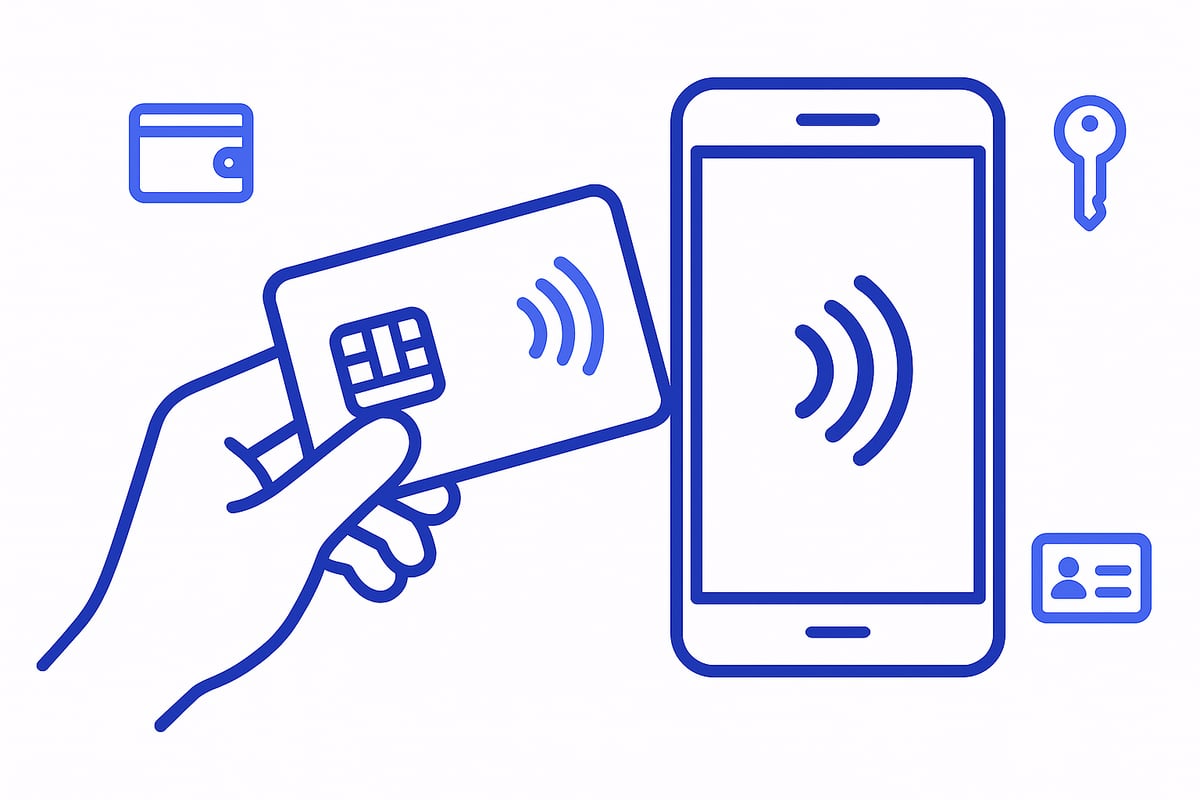
An NFC card contains a tiny microchip and antenna, enabling it to communicate wirelessly with compatible devices. This short-range communication works within a few centimeters, ensuring secure and intentional interactions. NFC technology differs from traditional RFID because NFC supports two-way data exchange, while most RFID cards are limited to one-way communication.
There are two main categories of NFC devices: passive and active. A passive device, such as an NFC card, does not require its own power source. Instead, it draws energy from the electromagnetic field generated by an NFC reader, like a smartphone. This design makes the NFC card both practical and reliable, as it can be used anytime without batteries.
Compatibility is key. Modern smartphones, whether iOS or Android, are designed to read and interact with NFC cards seamlessly. This universal support is a major reason why the NFC card is quickly becoming a standard tool in both personal and professional settings.
Types of NFC Cards
NFC cards can be found in several forms, each tailored for a specific purpose. The most familiar example is the contactless payment card, used for secure tap-and-go transactions at retail stores. Digital business cards are gaining traction, offering professionals a smart way to share contact details and social profiles.
Access control and security badges use NFC to grant or restrict entry to buildings. Transit and ticketing cards make public transportation more efficient, enabling quick fare payments. Loyalty and membership cards are also moving to NFC, allowing businesses to reward customers and streamline their programs.
The versatility of the NFC card ensures it can adapt to a wide range of industries and use cases.
How NFC Cards Work
The operation of an NFC card is simple yet powerful. When the card is brought close to a compatible device, such as a phone or reader, a secure connection is established instantly. This tap-to-share feature allows for immediate data transfer, making the NFC card faster and more convenient than QR codes or traditional cards.
A key advantage is that the card does not need its own power supply. The reader’s electromagnetic field powers the chip and antenna, enabling communication. Most NFC cards have enough storage to hold essential information like contact details, URLs, or access credentials, though storage is typically limited to a few kilobytes.
The effective range is intentionally short, usually four centimeters or less. This ensures that only intentional interactions trigger the NFC card, adding a layer of security to every exchange.
Real-World Examples
NFC cards are already deeply integrated into modern life. Services like Apple Pay and Google Pay rely on NFC for secure mobile payments, making everyday transactions faster and safer. Many hotels now issue NFC-enabled room keys, allowing guests to access their rooms with a simple tap.
At business networking events, professionals use NFC cards to instantly share their contact information. This eliminates the need for paper business cards and ensures details are always current. The adaptability of the NFC card makes it a valuable asset in any setting where quick, secure data sharing is needed.
Key Benefits of NFC Cards in 2026
NFC cards are transforming professional interactions and business operations in 2026. Their unique features bring measurable advantages for individuals and organizations aiming to streamline networking, enhance sustainability, and optimize engagement.
Speed and Convenience
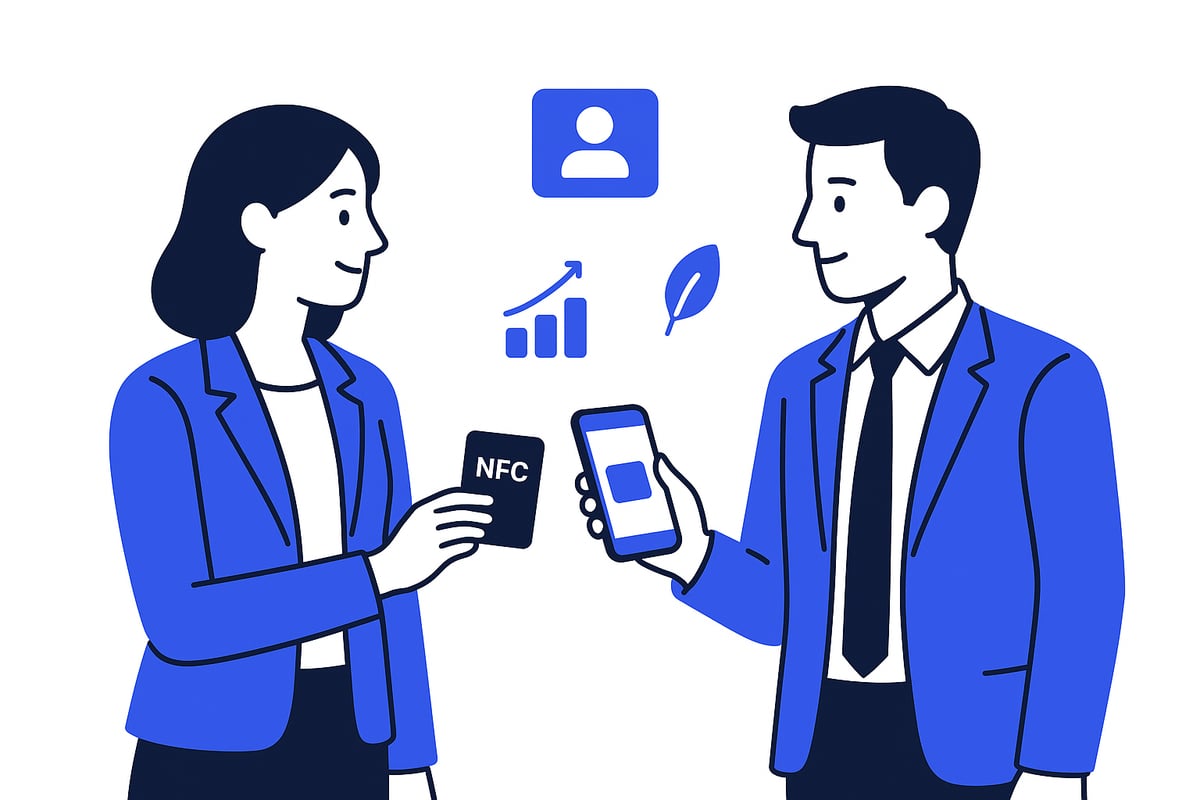
The nfc card provides instant sharing of contact details, links, and files with a simple tap. Recipients usually do not need to install any app, making the process seamless on both iOS and Android devices. Compared to QR codes or traditional business cards, nfc card technology offers a faster, more reliable way to exchange information.
This speed is especially valuable at busy events or meetings, where every second counts. Professionals can connect, follow up, and save time, all with a single gesture.
Eco-Friendly and Cost-Effective
Switching to nfc card solutions eliminates the need for printed business cards. This reduces paper waste and supports sustainability initiatives within organizations. Companies benefit from lower recurring costs, as there is no need for frequent reprints or shipping.
Growing adoption of nfc card technology is also driving market expansion, with analysts forecasting significant growth and cost savings for businesses worldwide. For more insights, see the NFC Business Card Market Growth Projections.
Versatility and Customization
A nfc card can be programmed to share contact info, social profiles, portfolios, videos, or even access credentials. Users can personalize cards with logos, colors, and interactive media to reflect their brand identity. Advanced cards support multiple functions, such as acting as both a business card and a secure access badge.
This flexibility allows professionals to tailor the nfc card to specific roles or events, maximizing its value in every situation.
Enhanced Professional Image
Presenting a nfc card at meetings or events signals a modern, tech-savvy approach. It sets users apart from competitors who still rely on paper cards. The digital format supports hybrid and remote networking, making it easier to connect with global contacts.
Adopting nfc card solutions also demonstrates a commitment to innovation and digital transformation, strengthening professional credibility.
Data Analytics and Integration
With a nfc card, users can track engagement in real time. Supported platforms provide analytics on views, taps, and conversions, helping professionals measure the effectiveness of their networking efforts. Integration with CRM and marketing tools streamlines lead management and follow-up.
Dynamic nfc card systems allow for instant content updates, ensuring information is always current and relevant.
Security and Privacy
Security is a top priority with every nfc card. Users control which data is shared and can enable end-to-end encryption on supported platforms. Temporary sharing modes and revocation options add further protection.
These features ensure sensitive information remains private, while still allowing for efficient, contactless networking.
How to Use an NFC Card: Step-by-Step Guide
Navigating the world of contactless technology is easier than ever with an nfc card. This step-by-step guide will help you unlock the full potential of your nfc card, from choosing the right type to leveraging analytics for smarter networking. Whether you are new to digital business cards or upgrading your networking tools, following these proven steps ensures you maximize convenience, security, and impact.
Step 1: Choose the Right NFC Card
Start by considering your primary goal for the nfc card. Is it for business networking, access control, payment, or event management? Next, evaluate material options such as PVC, metal, bamboo, or recycled plastic. Each material offers unique benefits for durability, sustainability, and branding appeal.
Think about your organization’s design needs. Upload your logo, select company colors, and decide on a tactile or premium finish. Customization not only enhances visual appeal but also strengthens your professional image. Choosing wisely at this stage sets the foundation for successful use and long-term value.
Step 2: Program Your NFC Card
Once you have selected your nfc card, programming it is straightforward. Use an NFC-enabled smartphone or a compatible desktop writer to write data onto the card. Popular apps guide you through encoding contact details, website URLs, files, or even portfolio links.
Decide whether your card should serve a single function or multiple purposes. For example, you can embed both a vCard and a website link. This flexibility allows you to tailor the nfc card to your specific networking or operational needs, ensuring you stay adaptable in any situation.
Step 3: Share Your NFC Card
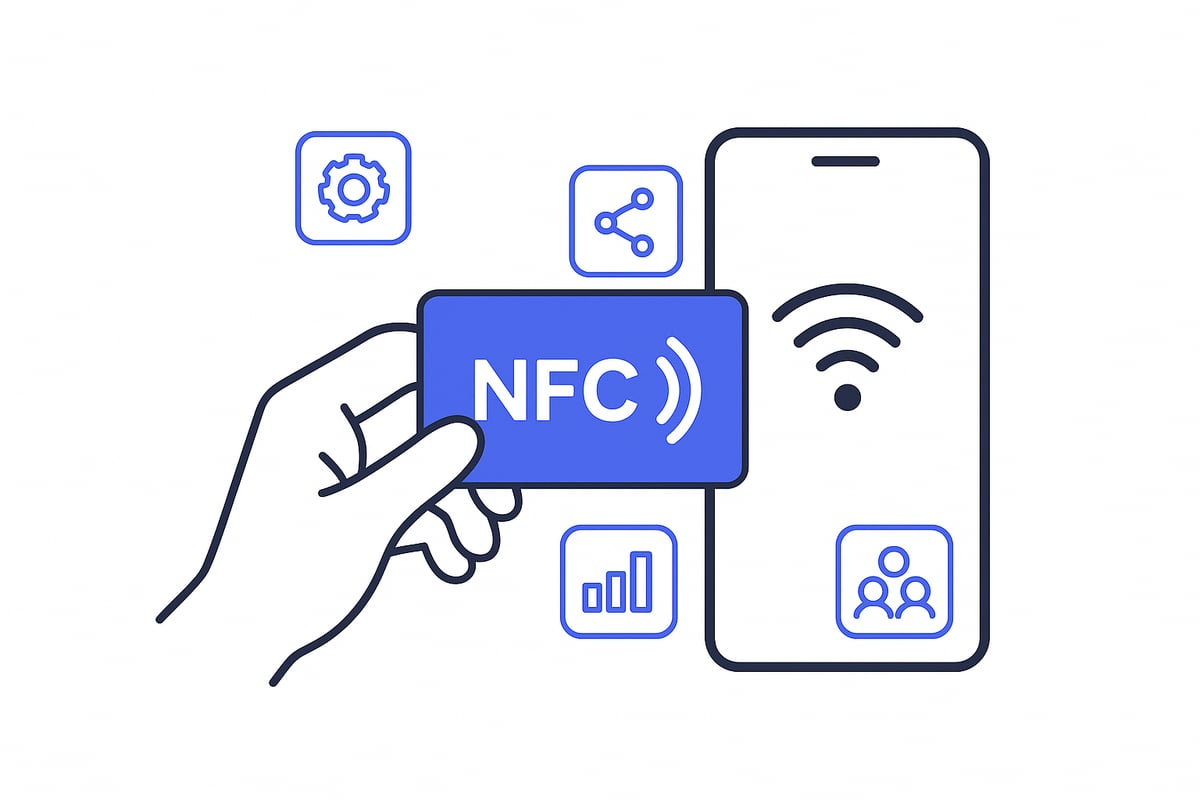
Sharing your nfc card is as easy as a tap. Hold the card near a recipient’s smartphone—most iOS and Android devices support NFC reading without any additional app. The card instantly transfers your information, making the process seamless and fast.
If a recipient’s phone does not detect the card, check if NFC is enabled in their settings. For troubleshooting, try repositioning the card or confirming device compatibility. This step highlights the true convenience of nfc card technology in real-world interactions.
Step 4: Update and Manage Card Content
Modern nfc card platforms let you update card content in real time. Services like Wave or Spreadly allow you to refresh contact details, add new links, or sync with CRM tools without reissuing cards. Dynamic nfc cards provide this flexibility, while static cards require physical rewriting.
Integrating with your marketing or HR systems ensures that every interaction is up to date and relevant. Real-time updates keep your networking efforts agile, especially when managing multiple roles or campaigns within an organization.
Step 5: Analyze and Optimize Usage
To maximize the value of your nfc card, take advantage of built-in analytics. Many platforms offer dashboards that track taps, views, and conversions. Reviewing these insights helps you understand what content resonates and where to improve.
Adjust your shared information based on engagement data. For example, if links to a portfolio receive more clicks, highlight them more prominently. This data-driven approach refines your networking strategy, ensuring each connection is meaningful and impactful.
Practical Usage Scenarios
NFC cards shine in a variety of settings. At conferences, instantly capturing leads sets you apart from the competition. In retail, customers can sign up for loyalty programs with a single tap. For access control, secure entry is streamlined, enhancing both convenience and security.
Adoption rates are rising globally, and regional trends show significant growth in business and public sector use cases. For a deeper look at how NFC technology is being adopted across different markets, explore the NFC Market Regional Analysis. Effective use of nfc card technology prepares you for the future of seamless, contactless interaction.
Customizing Your NFC Card: Design, Branding, and Features
Personalizing your nfc card is the key to standing out and making a lasting impression. Customization options now go far beyond simple logos, offering endless ways to reflect your brand, values, and professional identity. Whether you’re an individual or a large organization, the right design and features elevate your networking experience.
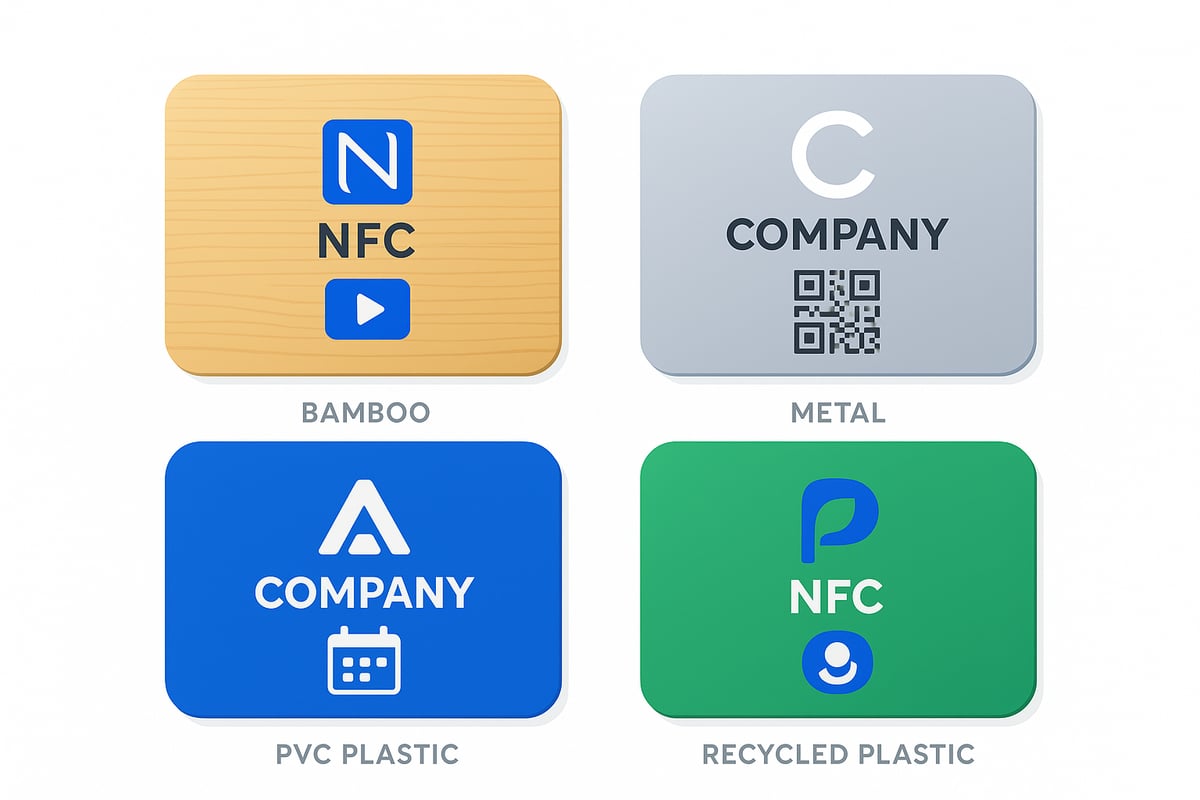
Material and Form Factor Options
Choosing the right material for your nfc card impacts its durability, feel, and environmental footprint. Common materials include:
| Material | Durability | Tactile Feel | Eco-Friendly? |
|---|---|---|---|
| PVC | High | Smooth | No |
| Metal | Very High | Premium | No |
| Bamboo | Medium | Natural | Yes |
| Recycled Plastic | High | Matte | Yes |
Bamboo and recycled plastic options are ideal for businesses prioritizing sustainability. Metal nfc card choices offer a luxury look, while PVC remains the standard for most professional uses.
Branding and Personalization
Your nfc card serves as a digital handshake, so visual impact matters. Upload your company logo, select brand colors, and add custom graphics to reinforce recognition. Many providers support high-resolution printing (300 DPI, CMYK) for crisp visuals.
Personalization extends to backgrounds, with options for photos, videos, or even animated designs. Standard card dimensions are 85.6 mm x 53.98 mm, but unique shapes are available for brands seeking something memorable.
Advanced Features and Integrations
Modern nfc card solutions offer much more than contact sharing. You can embed lead forms, product demos, and scheduling links like Calendly directly on the card. Integrate social media profiles and website links for instant access.
Leverage CRM, analytics, and HR system integrations to streamline your workflow. Adding a QR code boosts compatibility for users whose devices may not support NFC, making your card even more versatile.
Bulk Orders and Team Solutions
Businesses often need scalable nfc card solutions for sales teams, HR onboarding, or event staff. Providers offer discounts for bulk orders, sometimes up to 45 percent off at scale. Centralized design and management ensure brand consistency across all cards.
As demand grows, organizations can benefit from insights found in NFC Access Card Market Trends, which highlights adoption rates and innovations for team deployments. Central management tools make it easy to update or reassign cards as needed.
Subscription vs. Non-Subscription Options
When selecting your nfc card platform, consider whether you need free or premium features. Free options typically cover basic sharing, while subscriptions unlock analytics, CRM integrations, and advanced content controls.
Premium plans are ideal for teams needing centralized management or detailed engagement tracking. Weigh your needs carefully to ensure you get the best value, with the ability to upgrade as your organization grows.
Security, Privacy, and Compliance with NFC Cards
Security, privacy, and regulatory compliance are critical considerations for anyone adopting an nfc card in 2026. As these cards become more integrated into daily business and personal interactions, understanding how your data is managed and protected is essential.
Data Protection and User Control
With every nfc card, users have direct control over what information is stored and shared. Typically, only essential data such as contact details, website URLs, or access credentials are written to the card. This ensures that sensitive information is not exposed unnecessarily.
Most modern platforms allow you to set privacy levels for each data field. You can choose to share only selected information, restrict access to certain users, or make your profile available temporarily. Revoking access is also straightforward, especially with dynamic nfc card solutions.
- Store only necessary data
- Enable temporary sharing for events
- Easily revoke or update shared content
The ability to update information on your nfc card remotely adds another layer of control, reducing the risk of outdated or incorrect details being circulated.
Encryption and Secure Sharing
Security is a top priority for nfc card technology. Many platforms support end-to-end encryption, ensuring that data transmitted between the card and compatible devices cannot be intercepted or read by unauthorized parties.
Authentication protocols are often built into access control nfc card systems. This means only approved devices or users can interact with the card, adding a robust layer of protection. Industry standards such as ISO/IEC 14443 and 18092 are commonly followed to maintain consistency and safety.
- End-to-end encrypted data transfer
- Secure authentication for access badges
- Adherence to international security standards
These measures help prevent eavesdropping, cloning, or manipulation of sensitive data during nfc card transactions.
Compliance and Legal Considerations
Using an nfc card in business requires compliance with local and international regulations. The General Data Protection Regulation (GDPR) is a key framework in Europe, mandating explicit consent for data collection and storage.
Companies must also consider VAT, import taxes, and shipping rules when ordering nfc card products internationally. Transparency in how data is collected, stored, and shared is essential to avoid legal complications.
- GDPR compliance for European users
- Adherence to privacy laws in each region
- Clear communication about data usage
Selecting a provider that prioritizes data protection and compliance gives both users and businesses peace of mind.
Preventing Unauthorized Access
Nfc card systems are designed to prevent unauthorized cloning or spoofing. Advanced encryption and secure chip technology make it difficult for malicious actors to duplicate or tamper with the card.
Users should follow basic security practices, such as keeping their nfc card in a safe place and avoiding public tap risks. If a card is lost or stolen, many platforms offer remote deactivation or quick replacement services to minimize exposure.
- Avoid public tap points for sensitive actions
- Report lost or stolen cards immediately
- Use platform tools for remote deactivation
Staying vigilant helps protect your data and ensures that your nfc card remains a secure networking tool.
Platform-Specific Security Features
Leading nfc card platforms offer additional security controls, such as passcode protection and remote content deactivation. Businesses can implement centralized management to monitor card usage and respond quickly to security incidents.
Case studies show that organizations adopting secure nfc card solutions experience fewer data breaches and improved compliance. Platform dashboards often provide audit logs and access controls, allowing administrators to track interactions in real time.
Choosing a trusted provider with a proven security track record is key to maintaining privacy and regulatory compliance.
NFC Card Trends and Innovations for 2026
NFC card technology is rapidly evolving, reshaping how we connect, transact, and manage information. As 2026 approaches, new trends are emerging that will redefine the role of the nfc card in business and daily life.
Widespread Adoption and Use Cases
The nfc card is seeing unprecedented adoption across industries. In business, professionals use it for seamless networking at events, instantly sharing contact details. Retailers are integrating nfc card technology for loyalty programs and fast checkouts.
Healthcare and education sectors are leveraging nfc card solutions for secure access and digital record management. Government agencies use nfc card credentials for identification and facility entry. With integration into smart devices and IoT systems, the nfc card is becoming a universal tool for access, authentication, and information sharing.
Technological Advancements
Recent advancements are pushing nfc card capabilities further. Enhanced chips offer greater data storage and faster transfer speeds, making the nfc card more versatile than ever. Manufacturers are introducing biometric authentication, such as fingerprint sensors, for added security.
Materials are also evolving. Eco-friendly options like bamboo and recycled plastics are now available, making the nfc card both durable and sustainable. These innovations ensure the nfc card remains relevant in a world focused on speed, security, and environmental responsibility.
Evolving User Expectations
Users now expect more from their nfc card experience. Real-time updates to shared information are a must, allowing instant changes to contact details or digital content. Privacy and user control are at the forefront, with customizable sharing options and robust security settings.
Customization has become a competitive differentiator. Users personalize their nfc card with unique designs, interactive backgrounds, and links to portfolios or scheduling tools. The modern nfc card is not just functional but also a reflection of personal or corporate branding.
Market Statistics and Growth Projections
The nfc card market is projected to grow significantly by 2026, fueled by increased demand for contactless networking and digital solutions. Adoption rates are soaring, with millions of digital business card shares recorded by leading platforms.
According to recent data, nfc card users see up to 38% more engagement and a remarkable 630% increase in follow-up actions compared to traditional cards. These statistics highlight the nfc card's effectiveness in driving connections and supporting business growth.
Now that you understand how NFC cards are transforming networking in 2026—making it faster, more eco friendly, and effortlessly professional—why not experience it firsthand With Spreadly you can create a digital business card in minutes, share your details instantly, and update information on the fly, all without an app or printing hassles. Whether you're an individual looking to stand out or a team seeking smart management and real time analytics, Spreadly’s platform is designed for you. Ready to take your networking to the next level See how it works and book your demo.