Company Card Guide: Your Essential Handbook for 2026
15 minutes
30th of December 2025
In this article:
- The Evolution of Company Cards: From Paper to Digital
- Types of Company Cards in 2026: Features, Functions, and Formats
- Key Features to Look for in a Company Card Solution
- Step-by-Step: Implementing a Company Card Program in 2026
- Security, Compliance, and Data Privacy in Company Card Programs
- Future Trends: What’s Next for Company Cards?
The role of the company card is rapidly transforming in the business world of 2026. No longer just a tool for identification, the modern company card has become a cornerstone for branding, networking, and security.
Businesses now leverage company card solutions to boost efficiency and present a polished, professional image. Mastering company card management streamlines daily operations and strengthens organizational reputation.
This guide is designed to help you navigate the evolving landscape of company card options and best practices. Inside, you will discover types of company cards, essential features, step-by-step implementation, compliance tips, future trends, and expert recommendations.
Prepare to unlock the full potential of the company card for your business success in 2026.
The Evolution of Company Cards: From Paper to Digital
The journey of the company card reflects the rapid transformation of business practices over the decades. From humble beginnings as simple paper tools, company cards now serve as dynamic assets connecting people, brands, and technology.

Historical Overview and Traditional Uses
The company card began as a physical item, often a business card or employee identification badge. These cards were essential for introducing oneself, sharing contact details, and representing a company’s brand image.
Early on, company card distribution was common among sales teams and executives. Cards doubled as networking tools and symbols of professionalism. Despite their popularity, research shows that 70% of business cards are discarded within a week, highlighting inefficiencies in traditional approaches.
The Rise of Digital and Smart Cards
The 2020s marked a shift as digital and smart cards gained momentum. Companies started adopting NFC-enabled cards, QR codes, and mobile wallet compatibility to modernize the company card experience. These innovations allowed for instant updates, contactless sharing, and seamless integration with digital platforms.
For example, digital business cards now enable real-time exchange of contact information at events or meetings. The Digital Business Card Market Growth Projections report notes an 11% CAGR through 2026, underscoring the accelerating adoption of digital solutions.
Modern Company Card Use Cases
Today, the company card is more than a contact tool. Organizations deploy cards for secure access control, cashless payments, and digital identity verification. These uses extend to networking at virtual and hybrid events, where digital cards enable instant connection regardless of location.
Large enterprises often issue digital company cards to remote teams, ensuring consistent branding and streamlined communication. Integration with HR and CRM systems further enhances the card’s role in modern business environments, supporting everything from onboarding to customer engagement.
Environmental and Cost Considerations
Switching to digital company card solutions yields significant environmental and financial benefits. Reducing paper usage and printing costs aligns with global sustainability goals. Many companies now report up to 60% savings after moving away from physical cards.
Sustainability is a major driver, with 88% of organizations citing it as a key factor in their digital transformation journeys. By adopting digital company card platforms, businesses not only cut costs but also demonstrate a commitment to eco-friendly practices.
Types of Company Cards in 2026: Features, Functions, and Formats
Company cards have evolved rapidly in recent years, offering organizations a diverse toolkit for identification, access, and networking. As we move through 2026, the company card is no longer a single-format solution but a customizable asset that adapts to the unique demands of modern workplaces. Below, we explore the primary types, their features, and the latest innovations in company card technology.
Physical Company Cards: Still Relevant?
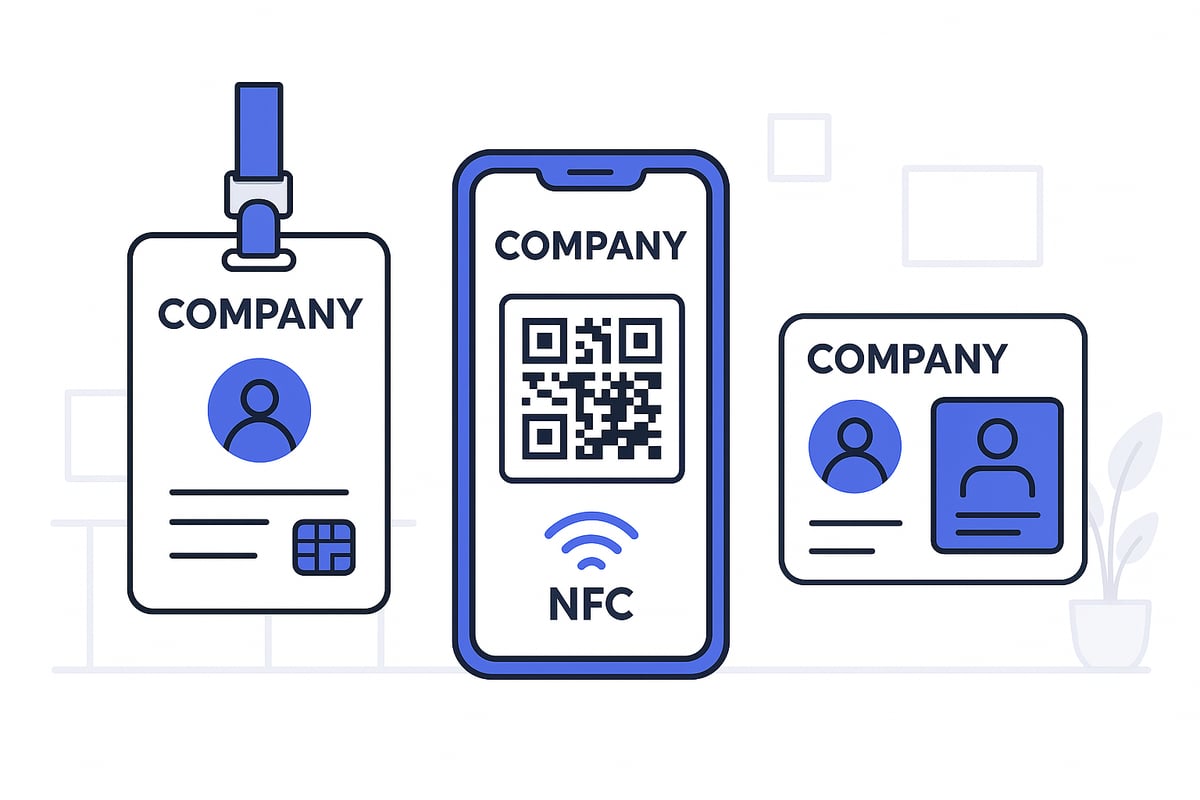
Physical company cards remain essential for organizations that require secure facility access, support legacy systems, or operate in hybrid environments. A physical company card may include features such as embedded chips for multi-factor authentication, magnetic stripes, or photo identification.
These cards are particularly valuable in industries with high security needs, like healthcare or manufacturing. For example, a company card with a chip can double as an access pass and employee ID, reducing the number of credentials staff must carry.
Despite the growing popularity of digital options, many companies maintain physical company card programs to ensure compatibility and redundancy. The tactile nature of a physical company card also reinforces a sense of belonging and professionalism among employees.
Digital Company Cards: Capabilities and Advantages
Digital company cards have surged in adoption, driven by their real-time update capabilities, interactive features, and seamless integration with mobile wallets and NFC technology. A digital company card can house dynamic content like scheduling links, social media profiles, or even videos, making networking more engaging and efficient.
Organizations appreciate that digital company card solutions enable instant distribution and easy updates, minimizing administrative overhead. According to Digital Business Card Adoption Statistics, over half of companies have adopted digital cards for networking, reflecting the shift toward convenience and sustainability.
With digital company card platforms, employees can share contact information with a tap or scan, capturing leads and tracking interactions. This enhances both branding and operational agility in fast-paced business environments.
Hybrid and Multi-Function Cards
Hybrid company cards combine the best of physical and digital technologies, catering to organizations that value both security and flexibility. A hybrid company card might feature an NFC chip embedded in a plastic badge, allowing for both physical access and digital contact sharing.
Large enterprises often deploy hybrid solutions for event entry, instant contact exchange, and secure area access. For example, a hybrid company card can be scanned at a conference entrance and then shared digitally with other attendees through a mobile device.
This cross-functional approach bridges gaps between legacy systems and cutting-edge tools, supporting seamless user experiences across departments. The hybrid company card also enables organizations to future-proof their identification infrastructure.
Customization and Branding Options
A strong company card program supports full customization, helping businesses reinforce their brand identity. Options include custom colors, logos, employee photos, and even interactive backgrounds that reflect the organization's style.
Enterprises increasingly use the company card as a marketing tool, embedding campaign links or event invitations. Some design templates are tailored for specific teams, ensuring consistency while allowing for department-level personalization.
Customization features not only enhance visual appeal but also foster employee pride and engagement. A well-designed company card can turn every interaction into a branding opportunity, both internally and externally.
Integrations and Automation
Modern company card solutions integrate seamlessly with HR, CRM, and IT platforms, automating routine processes and improving accuracy. For example, connecting the company card system with HR software enables automated onboarding and offboarding, ensuring that access and credentials remain up-to-date.
Automated imports and centralized management simplify bulk card creation, which is valuable during company expansions or mergers. Integration with CRM systems allows for real-time lead capture and engagement tracking, making the company card a strategic asset for both HR and marketing teams.
By leveraging automation and integration, organizations can reduce administrative effort, minimize errors, and maintain a secure, scalable company card ecosystem.
Key Features to Look for in a Company Card Solution
Selecting the right company card solution is crucial for any modern business. With rapid advancements in technology, organizations must evaluate platforms that not only meet today’s needs but also anticipate future demands. Below are the key features to prioritize when choosing a company card system for your team.

Security and Data Protection
Security is the foundation of any company card program. Look for features like end-to-end encryption, secure authentication, and compliance with major data privacy regulations such as GDPR. Role-based access controls can help ensure that only authorized personnel handle sensitive card data.
To further protect your organization, choose solutions that support biometric verification or two-factor authentication. Regular security audits and incident response plans should be part of the provider’s offering. For companies handling payment data, reviewing PCI Compliance Best Practices is essential to ensure your company card program aligns with industry standards.
Ease of Use and Accessibility
A user-friendly company card platform empowers employees and administrators alike. Intuitive interfaces for card creation and management reduce training time and errors. Look for drag-and-drop editors, clear navigation, and real-time previews.
Accessibility is equally important. Ensure the company card system supports multiple languages and mobile devices, making it easy for all team members to use regardless of their location or abilities. Self-service portals let employees update their own card details, freeing up IT and HR resources.
Scalability and Team Management
As your business grows, your company card solution should scale effortlessly. Opt for platforms that allow bulk creation, centralized design control, and easy user import from HR or IT systems. These tools simplify onboarding during periods of rapid expansion or mergers.
Centralized management dashboards enable administrators to oversee all active company card accounts, assign roles, and track usage. Automated provisioning and deactivation ensure that cards stay up to date as staff join or leave the company.
Analytics and Reporting
Data-driven insights set the best company card solutions apart. Analytics dashboards let you monitor card engagement, track shares, and evaluate lead generation from networking activities. This information is valuable for both marketing and HR teams.
Look for platforms that provide real-time usage statistics, customizable reports, and integration with existing business intelligence tools. With these features, you can measure ROI and continuously optimize your company card strategy for better results.
Step-by-Step: Implementing a Company Card Program in 2026
Launching a successful company card program in 2026 requires a structured approach tailored to your organization's unique needs. The process involves several key steps, from initial assessment to ongoing optimization. By following this step-by-step guide, you can ensure your company card solution delivers maximum value and adapts seamlessly to your business environment.
Assessing Organizational Needs and Goals
Begin by clarifying your objectives for a company card program. Are you aiming to enhance branding, strengthen security, improve networking, or achieve a combination of these goals? Engage key stakeholders from HR, IT, and marketing to gather diverse perspectives and requirements. Consider the environmental impact as well, as many organizations now prioritize sustainability. Reviewing resources like the Digital Business Card Environmental Impact can help you evaluate potential eco-benefits. This foundational step ensures your company card initiative aligns with broader business priorities and values.
Selecting the Right Card Type and Vendor
With your objectives defined, compare available company card options. Evaluate physical, digital, and hybrid cards based on security, scalability, integrations, and user experience. Develop a clear list of criteria, such as:
- Compatibility with existing systems
- Customization capabilities
- Support and pricing models
Conduct vendor demos and request proposals to assess fit. Involve decision-makers from relevant departments to ensure the selected company card solution meets compliance and operational needs. Document your findings to guide a transparent vendor selection process.
Designing and Customizing Your Company Cards
Design plays a vital role in the effectiveness of any company card. Work with your branding team to ensure that card layouts reflect your corporate identity, including logos, colors, and fonts. Incorporate interactive elements, such as embedded videos, links to social profiles, or QR codes for digital engagement. Create custom templates for different departments or teams to maintain consistency while addressing specific needs. This approach ensures every company card supports both internal culture and external image.
Integrating with Existing Systems
Seamless integration is critical for a modern company card program. Connect your cards to HR, CRM, and IT platforms to automate key processes like onboarding, offboarding, and data synchronization. For example, linking with Microsoft Entra ID or Salesforce can streamline access management and contact updates. This integration reduces administrative workload and enhances data accuracy, ensuring your company card system becomes a natural extension of your digital infrastructure.
Onboarding Employees and Training
Successful adoption of a company card program depends on effective onboarding and training. Clearly communicate the benefits and usage guidelines to all employees. Offer training resources, such as video tutorials and self-help portals, to address common questions. Encourage feedback and provide ongoing support to foster engagement. By making it easy for staff to understand and use their company card, you set the stage for widespread acceptance and long-term success.
Monitoring, Updating, and Scaling
Once your company card program is live, regular monitoring is essential. Track usage metrics such as engagement rates, lead capture, and compliance status using built-in analytics tools. Schedule quarterly audits to review data accuracy and system performance. As your organization grows or changes, update card details and scale your program to accommodate new teams or business units. This proactive approach ensures your company card solution remains effective and aligned with evolving needs.
Security, Compliance, and Data Privacy in Company Card Programs
Safeguarding sensitive data is crucial for any company card program. As digital transformation accelerates, strict security, compliance, and privacy measures are essential to protect both organizations and their employees. Understanding the regulatory landscape and applying best practices can help reduce risks and ensure seamless operations.
Regulatory Requirements and Industry Standards
Every company card program must comply with data privacy regulations. Laws like GDPR in Europe and CCPA in California set strict guidelines for collecting, storing, and processing personal data. In sectors such as finance and healthcare, additional industry-specific rules often apply.
Non-compliance can lead to substantial fines and legal action. For example, failing to secure employee data on a company card may violate privacy laws and result in penalties. It is essential to document data handling processes and ensure that all third-party vendors also meet regulatory standards.
To summarize, always:
- Identify applicable regulations by region and industry
- Implement privacy-by-design principles in company card systems
- Regularly review and update compliance documentation
Data Security Best Practices
Protecting company card data requires robust technical safeguards. Encryption is fundamental, ensuring sensitive information cannot be accessed without proper authorization. Two-factor authentication strengthens access control, while secure storage prevents data leaks.
Regular security audits should be scheduled to identify vulnerabilities. Employee training is vital so everyone understands how to use company card technology securely. In case of a breach, having a documented incident response plan will help minimize damage and restore trust.
Key best practices include:
- Encrypt all company card data at rest and in transit
- Enforce strong authentication methods
- Conduct routine security assessments and penetration tests
Role-Based Access and Permissions
Effective company card management depends on clear access controls. Role-based access ensures that only authorized users can view or modify card data. For instance, administrators may manage templates and permissions, while employees can only update their personal details.
Limiting access reduces the risk of data exposure. Assigning roles based on job function helps maintain security without hindering productivity. Regular reviews of permissions are necessary, especially after staffing changes or department transitions.
Consider these steps:
- Define user roles and responsibilities for company card access
- Grant minimum necessary permissions for each role
- Monitor and update access as organizational needs evolve
Auditing and Ongoing Compliance
Continuous monitoring is critical for maintaining company card program compliance. Automated tools can track changes, flag unauthorized access, and generate compliance reports on demand. Regular audits help ensure that policies are followed and that the organization adapts to new regulations.
Documentation plays a significant role in proving compliance during inspections or investigations. Implementing automated compliance dashboards provides real-time insights, making it easier to spot issues early. Feedback from users can also highlight areas for improvement.
To maintain compliance:
- Schedule periodic audits of company card activity
- Keep detailed logs and reports for accountability
- Update policies in response to regulatory or operational changes
Spreadly: A Modern Solution for Company Cards in 2026
In the rapidly changing landscape of 2026, businesses require a modern company card platform that is both flexible and secure. Spreadly stands out as a top choice for organizations that value innovation, efficiency, and professionalism. Spreadly offers a comprehensive solution for individuals, teams, and enterprises looking to upgrade their company card strategy.
Why Choose Spreadly for Your Company Card Needs?
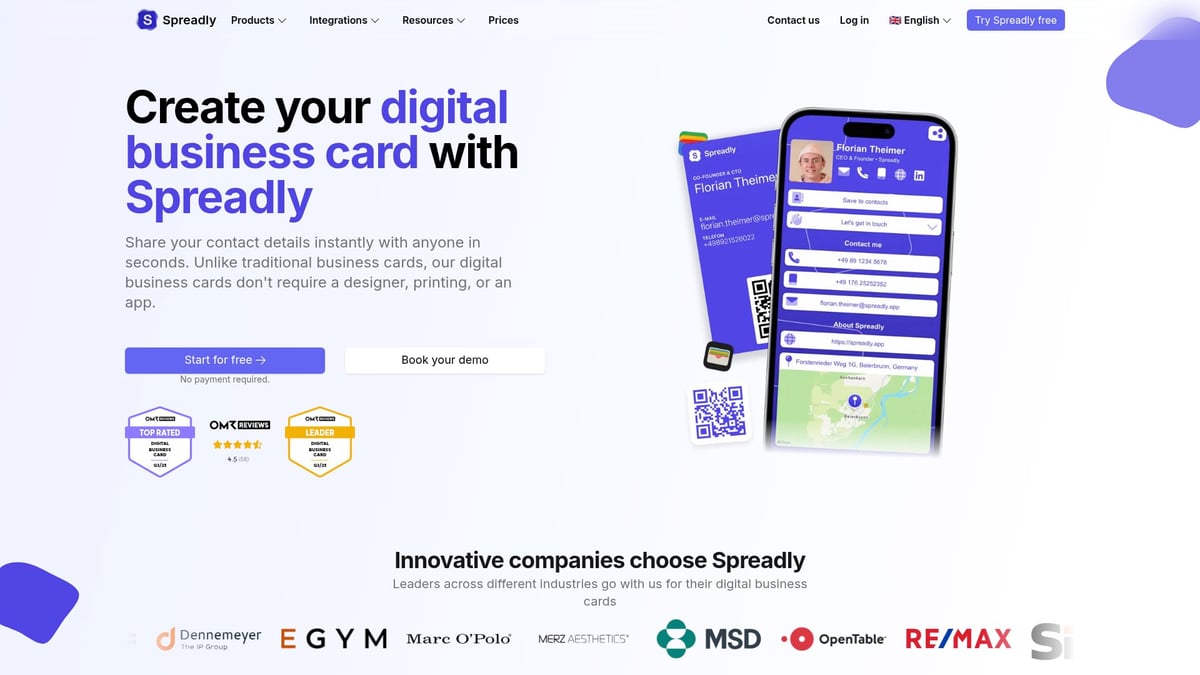
Spreadly redefines the company card by enabling instant sharing through QR codes, NFC, wallet apps, and direct links. This means contacts can receive your details without installing any app, making networking seamless at both physical and virtual events. Spreadly’s solution ensures that every company card is always up to date, reflecting the latest contact and branding information.
- Share details instantly via multiple channels
- No app required for recipients
- Compatible with modern networking platforms
This versatility gives businesses a significant advantage when adopting a digital company card program.
Instant Sharing and Smart Features
Spreadly equips organizations with cutting-edge tools for company card management. Each card can include interactive elements such as scheduling links, social media profiles, and embedded videos. The platform’s built-in AI-powered business card scanner makes it easy to capture leads from physical cards, bridging the gap between traditional and digital networking.
- Built-in lead capture forms
- CRM and HR system integrations (Salesforce, HubSpot, Microsoft Entra ID)
- Mobile wallet support for Apple and Google devices
These features streamline the process of exchanging and tracking company card data across teams and departments.
Customization, Integrations, and Security
With Spreadly, every company card can be fully customized. Organizations control logos, colors, fonts, and interactive backgrounds, ensuring brand consistency across all cards. Spreadly allows for per-team templates, so each department can reflect its own identity while staying within brand guidelines.
Security and compliance are top priorities. Spreadly is GDPR-compliant, handles data securely, and focuses on privacy standards relevant for European and global clients. This protects sensitive information and supports regulatory compliance for any company card program.
Scalable Solutions and Trusted Adoption
Spreadly’s platform is built for scalability. Enterprises can create thousands of company cards in bulk, manage them centrally, and automate updates through HR integrations. The solution is accessible via multi-language support, intuitive mobile apps, and a web-based management portal.
Trusted by leading organizations like American Express GBT, TeamViewer, and Volkswagen Financial Services, Spreadly demonstrates proven value in real-world company card deployments. Flexible pricing includes a free plan, premium features, and live demos for businesses exploring digital transformation.
Future Trends: What’s Next for Company Cards?
Looking ahead, the company card landscape is set for significant transformation. As organizations embrace emerging technologies and changing business needs, understanding future trends is essential for staying competitive and compliant.
AI and Smart Automation
Artificial intelligence is rapidly reshaping the company card experience. Predictive analytics will help professionals prioritize follow-ups and identify high-value connections. AI-powered company card platforms can suggest real-time updates based on user activity and organizational changes.
For example, automated content personalization ensures every company card reflects the most current roles, projects, or achievements. AI can also recommend optimal networking strategies by analyzing historical engagement data.
Businesses leveraging these advancements will gain efficiency and deeper insights, making the company card a proactive tool for growth and relationship management.
IoT and Connected Devices
As smart offices become the norm, company card solutions are integrating with IoT devices. Employees can use their company card as a digital key, unlocking doors, accessing secure zones, or activating equipment with a tap.
Wearables, such as smartwatches and NFC rings, add convenience by storing company card credentials for instant access. IoT integration also enables real-time tracking of attendance and workspace usage.
These innovations simplify daily routines while enhancing security, making the company card indispensable in connected environments.
Sustainability and Eco-Innovation
Sustainability is a driving force behind the evolution of the company card. Organizations are shifting from paper cards to digital solutions, reducing environmental impact and waste.
Some businesses now use biodegradable physical cards or partner with carbon-neutral digital platforms. By adopting eco-friendly company card options, companies demonstrate corporate responsibility and meet stakeholder expectations.
Environmental reporting is increasingly important, with many organizations showcasing reductions in resource consumption as a key benefit of digital transformation.
Enhanced Customization and Personalization
Personalization is taking the company card to new heights. Dynamic content allows information to change in real time based on the user’s role, location, or recent achievements.
Features like personalized video greetings, interactive event promotions, and context-aware updates are becoming standard. This level of customization ensures every company card makes a memorable impression.
Enterprises can strengthen branding and engagement by tailoring company card content for specific audiences, projects, or occasions.
Advanced Security and Privacy Technologies
Security remains a top priority in company card solutions. Blockchain technology is being explored for secure verification and decentralized identity management.
Zero-knowledge proofs and biometric authentication add layers of protection for sensitive data. Company card platforms now offer advanced permission controls, ensuring only authorized users can access confidential information.
Continuous innovation in security helps organizations comply with regulations and protect both employee and client data.
Globalization and Multi-Language Support
As business becomes increasingly global, the company card must support seamless networking across borders. Automated translation and localization tools make company card details accessible to international partners.
Multi-language support is essential for global teams, allowing each company card to display content in the recipient’s preferred language. This fosters stronger relationships and removes communication barriers.
Organizations investing in these features position their company card program for success in a diverse, interconnected world.
As you’ve discovered in this guide, the landscape of company cards is rapidly evolving, blending digital convenience with advanced features like real time updates, rich media, and seamless integrations. If you’re ready to experience how modern, customizable business cards can elevate your networking and brand presence while streamlining operations for your team, there’s no better way to start than by exploring it firsthand. You don’t need any technical setup or commitment—simply take advantage of Spreadly’s free plan and see how easy it is to create and share your own professional company card. Try for free