GDPR Compliant Digital Business Cards: A Complete Guide
11 minutes
23rd of June 2026
In this article:
- Understanding GDPR Requirements for Digital Business Cards
- Evaluating Security Standards and Data Storage
- Consent Mechanisms and Data Processing Transparency
- Implementing GDPR Compliance Across Your Organization
- Comparing Provider Compliance Features
- Maintaining Ongoing Compliance and Best Practices
- Industry-Specific Compliance Considerations
- Future-Proofing Your Digital Networking Strategy
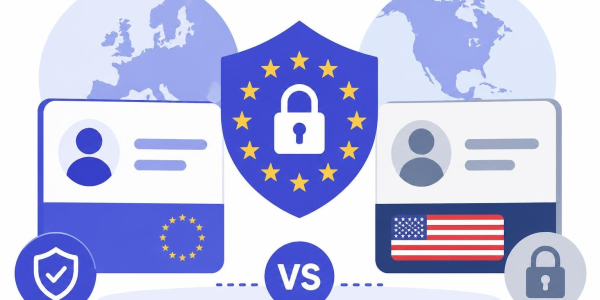
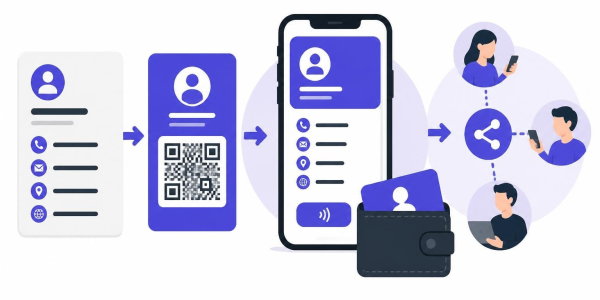
The shift from paper to digital business cards has transformed how professionals network and share contact information. However, this digital transformation brings critical questions about data privacy and regulatory compliance, particularly for businesses operating in or serving customers across Europe. GDPR compliant digital business cards have become essential for organizations that want to leverage modern networking tools while protecting customer data and avoiding substantial fines. Understanding how to evaluate, implement, and maintain compliant digital business card solutions is now a fundamental requirement for businesses of all sizes.
Understanding GDPR Requirements for Digital Business Cards
The General Data Protection Regulation imposes strict rules on how businesses collect, store, and process personal data. Digital business cards inherently involve personal information, including names, email addresses, phone numbers, job titles, and company details, making them subject to comprehensive GDPR oversight.
Organizations must recognize that every digital business card interaction potentially involves data processing that triggers GDPR obligations. When someone shares their digital card, receives contact information, or stores another person's details, data protection principles apply throughout the entire lifecycle.
Key Principles That Apply to Digital Cards
GDPR establishes several foundational principles that directly impact digital business card platforms:
- Lawfulness, fairness, and transparency in data collection and use
- Purpose limitation ensuring data is only used for specified purposes
- Data minimization collecting only necessary information
- Accuracy keeping contact information current and correct
- Storage limitation retaining data only as long as needed
- Integrity and confidentiality protecting data against unauthorized access
- Accountability demonstrating compliance with all principles
Digital business card providers must implement technical and organizational measures that address each principle. This includes clear privacy policies, consent mechanisms, encryption protocols, and user controls that empower individuals to manage their data.

Data Subject Rights in Digital Networking
GDPR grants individuals specific rights regarding their personal information. When evaluating gdpr compliant digital business cards, organizations should verify that platforms support these fundamental rights:
| Right | Implementation Requirement |
|---|---|
| Right to Access | Users can download all their data and see who has their card |
| Right to Rectification | Easy updating of contact details across all shared cards |
| Right to Erasure | Complete deletion of data upon request |
| Right to Restriction | Ability to limit how data is processed |
| Right to Portability | Export data in standard formats |
| Right to Object | Opt-out options for marketing and analytics |
Understanding these data subject rights helps businesses select platforms that provide necessary functionality without creating compliance gaps.
Evaluating Security Standards and Data Storage
Security forms the backbone of any GDPR-compliant solution. Digital business cards must protect personal information through robust technical measures that prevent unauthorized access, data breaches, and misuse.
Infrastructure and Hosting Considerations
Where and how data is stored significantly impacts compliance. European data hosting provides the strongest protection under GDPR, as data remains within the jurisdiction of EU privacy laws. Organizations should verify several critical infrastructure elements:
Server location and data residency: Confirm that primary data storage occurs within the European Union or European Economic Area. This eliminates concerns about international data transfers and ensures full GDPR protection.
Encryption standards: Both data at rest and data in transit should use industry-standard encryption protocols. End-to-end encryption provides the highest level of protection for sensitive contact information.
Access controls: Role-based permissions and multi-factor authentication prevent unauthorized system access. Audit logs should track all data access and modifications for accountability.
Modern platforms implementing enterprise-grade security standards typically achieve certifications like SOC 2 Type II alongside GDPR compliance, demonstrating comprehensive data protection frameworks.
Cloud Security and Backup Protocols
Cloud-based digital business card solutions offer scalability and convenience but require careful evaluation of security measures. Data protection considerations for cloud hosting include redundancy, disaster recovery, and geographic distribution of backups.
Organizations should confirm that providers maintain:
- Regular automated backups with encryption
- Geographic redundancy within compliant jurisdictions
- Documented disaster recovery procedures
- Incident response plans for data breaches
- Regular security audits and penetration testing
These measures ensure business continuity while maintaining GDPR compliance even during system failures or security incidents.
Consent Mechanisms and Data Processing Transparency
Lawful processing of personal data requires proper consent and clear communication about how information will be used. GDPR compliant digital business cards must incorporate transparent consent mechanisms at every stage of data collection.
Obtaining Valid Consent for Contact Sharing
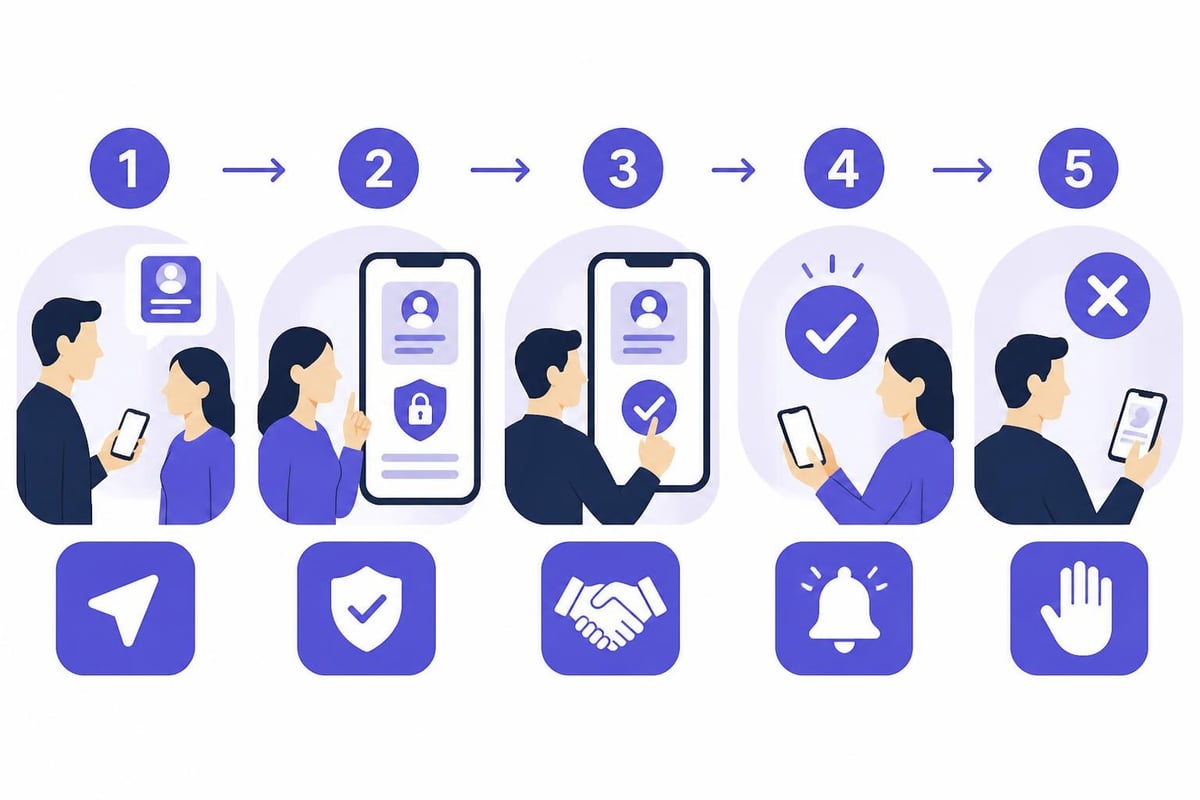
Valid GDPR consent must be freely given, specific, informed, and unambiguous. When sharing digital business cards, platforms should implement clear opt-in mechanisms rather than pre-checked boxes or assumed consent.
Best practices for consent include:
- Clear language explaining what data is being shared
- Separate consent for different processing purposes
- Easy withdrawal options with the same simplicity as giving consent
- Records of when and how consent was obtained
- Regular consent refresh for long-term relationships
For team deployments of digital business cards for organizations, administrators must ensure that both employees sharing cards and recipients receiving them understand data processing terms.
Privacy Policies and User Communication
Comprehensive privacy policies serve as the foundation for transparent data processing. These documents must explain in plain language how digital business card platforms handle personal information.
Essential privacy policy elements include:
- Identity and contact details of the data controller
- Purposes of data processing and legal basis
- Categories of personal data collected
- Recipients or categories of recipients
- Data retention periods
- User rights and how to exercise them
- Information about automated decision-making
- Details about data transfers outside the EU
Privacy policies should be easily accessible within the digital business card interface, not buried in terms of service documents. Regular updates reflecting changes in data processing practices maintain transparency and trust.
Implementing GDPR Compliance Across Your Organization
Adopting gdpr compliant digital business cards requires more than selecting the right platform. Organizations must establish policies, train teams, and create accountability structures that ensure ongoing compliance.
Establishing Internal Data Governance
Data governance frameworks define roles, responsibilities, and processes for managing personal information throughout its lifecycle. For digital business cards, governance should address:
Data controller and processor relationships: Clarify whether your organization acts as the data controller (determining purposes and means of processing) or if the platform provider serves this role. Most business arrangements involve the organization as controller and the platform as processor, requiring a Data Processing Agreement (DPA).
Employee responsibilities: Sales teams, marketing professionals, and executives using digital business cards must understand their obligations. Training programs should cover consent requirements, data minimization, and proper handling of received contact information.
Vendor management: Regular assessments of your digital business card provider ensure continued compliance. Review security certifications, privacy policy updates, and incident response capabilities annually.
Integration with CRM and Lead Management Systems
Digital business cards often connect with customer relationship management systems, creating additional data flows that require GDPR consideration. Storing client data legally involves understanding how integrations process and sync information.
| Integration Point | Compliance Consideration |
|---|---|
| CRM Sync | Ensure bidirectional sync respects deletion requests |
| Lead Forms | Implement consent checkboxes for marketing use |
| Email Marketing | Provide clear opt-out mechanisms |
| Analytics | Anonymize data or obtain explicit consent |
| HR Systems | Limit employee data access to authorized personnel |
Platforms offering native integrations with tools like Salesforce, HubSpot, and Microsoft Dynamics should provide configuration options that maintain compliance across all connected systems.
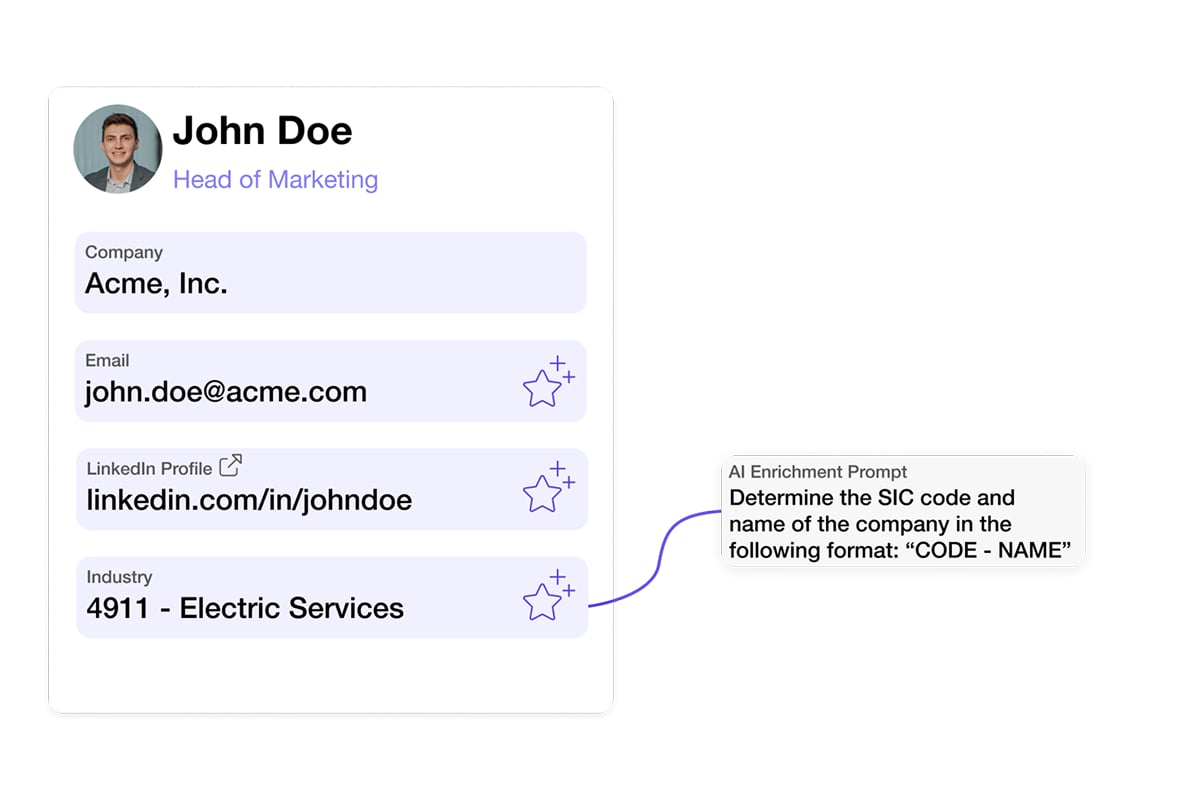
At trade shows and networking events, the ability to quickly capture leads while maintaining compliance becomes critical. Digital solutions that scan business cards and sync directly with CRMs must handle data responsibly. Tools that allow you to define custom fields, obtain consent at the point of capture, and provide immediate transparency about data use help maintain GDPR standards even in fast-paced environments.
Comparing Provider Compliance Features
Not all digital business card platforms offer the same level of GDPR compliance. Systematic evaluation helps organizations select solutions that meet regulatory requirements while supporting business objectives.
Essential Compliance Features to Verify
When evaluating providers, create a compliance checklist that includes both technical and policy elements:
Technical features:
- EU-based data hosting with certified data centers
- Encryption for data at rest and in transit
- Two-factor authentication for account access
- Granular permission controls for team accounts
- Audit logs tracking data access and changes
- Automated data deletion capabilities
- Export functionality for data portability
Policy and documentation:
- Published privacy policy meeting GDPR standards
- Data Processing Agreement available for business customers
- Clear terms of service defining data ownership
- Documented security measures and certifications
- Breach notification procedures
- Subprocessor list for transparency about third parties
Providers that emphasize regional data hosting and user control demonstrate commitment to privacy beyond minimum compliance.
Red Flags and Warning Signs
Certain provider characteristics should raise concerns about GDPR compliance:
- Vague or missing privacy policies
- Data storage exclusively outside the EU without adequate safeguards
- Inability to provide Data Processing Agreements
- Lack of clear data deletion mechanisms
- Pre-checked consent boxes or opt-out rather than opt-in approaches
- No documented security certifications or audits
- Unclear data ownership terms
Organizations should also be wary of free consumer-focused platforms that monetize through data sharing or advertising, as these business models often conflict with GDPR principles.
Maintaining Ongoing Compliance and Best Practices
GDPR compliance is not a one-time achievement but an ongoing commitment requiring regular attention and updates. Organizations using digital business cards must establish processes for maintaining compliance over time.
Regular Compliance Audits and Reviews
Scheduled reviews ensure that digital business card implementations continue meeting GDPR requirements as technology and regulations evolve. Quarterly or semi-annual audits should examine:
- Usage patterns: Review how employees share cards and collect contact information
- Data retention: Verify that old contacts are deleted according to retention policies
- Access logs: Check for unauthorized access attempts or unusual activity
- Privacy policy updates: Ensure internal policies reflect current practices
- Vendor compliance: Confirm platform providers maintain certifications and security standards
Documentation from these audits provides evidence of accountability, a core GDPR principle that organizations must demonstrate to regulators.
Training and Awareness Programs
Employee understanding directly impacts compliance effectiveness. Regular training programs should cover:
- GDPR basics and why compliance matters
- Proper consent collection when sharing digital cards
- Handling requests for data access, correction, or deletion
- Recognizing and reporting potential data breaches
- Respecting data minimization principles
- Understanding data subject rights
New employees should receive GDPR training as part of onboarding, with annual refreshers for all staff who handle personal data through digital business cards or other channels.
Responding to Data Subject Requests
Organizations must establish clear processes for handling requests from individuals exercising their GDPR rights. Response timeframes are legally mandated, typically requiring action within 30 days.
Effective response processes include:
Request verification: Confirm the identity of individuals making requests to prevent unauthorized data disclosure while avoiding excessive barriers to legitimate requests.
Centralized tracking: Maintain a log of all data subject requests, responses, and outcomes for accountability and continuous improvement.
Cross-functional coordination: Ensure marketing, sales, and IT teams collaborate to fulfill requests that span multiple systems including digital business cards, CRM databases, and email platforms.
Platform capabilities: Verify that your digital business card provider offers tools to efficiently handle bulk requests, particularly important for organizations with large networks.
Industry-Specific Compliance Considerations
Different industries face unique GDPR challenges when implementing digital business cards. Understanding sector-specific requirements helps organizations avoid compliance gaps.
Healthcare and Regulated Industries
Healthcare providers, legal firms, and financial services organizations handle particularly sensitive information. Digital business cards used in these sectors must provide enhanced protection:
- Additional encryption layers for sensitive data
- Stricter access controls and audit trails
- Compliance with sector-specific regulations (HIPAA, attorney-client privilege)
- Enhanced consent mechanisms for special categories of data
- More restrictive data retention policies
These organizations should prioritize providers with comprehensive security and privacy measures that address industry-specific needs alongside GDPR requirements.
International Organizations and Data Transfers
Companies operating across multiple jurisdictions face complexity managing international data transfers. GDPR restricts transfers of personal data outside the European Economic Area unless adequate safeguards exist.
Digital business card platforms should support compliance through:
- Standard Contractual Clauses (SCCs) for international data transfers
- Adequacy decisions recognizing equivalent protection in certain countries
- Clear documentation of where data is processed and stored
- Options to restrict data storage to specific geographic regions
Organizations with global teams benefit from platforms offering regional hosting options that keep European employee and customer data within compliant jurisdictions while supporting worldwide access.
Small Businesses and Resource Constraints
Small businesses often lack dedicated privacy officers or legal teams but face the same GDPR obligations as larger enterprises. Choosing user-friendly gdpr compliant digital business cards with built-in compliance features reduces the burden.
Key features for small businesses include:
- Pre-configured privacy settings meeting GDPR standards
- Automated consent management
- Simple data deletion tools
- Clear documentation and support for compliance questions
- Affordable pricing that includes compliance features rather than charging extra
Free digital business card options can provide GDPR compliance even for solo entrepreneurs and startups, democratizing access to privacy-respecting networking tools.
Future-Proofing Your Digital Networking Strategy
GDPR compliance requirements continue evolving through regulatory guidance, court decisions, and technological advancement. Organizations should adopt digital business card solutions positioned for long-term success.
Emerging Privacy Regulations and Global Standards
While GDPR sets the gold standard for data protection, similar regulations are emerging globally. California's CCPA, Brazil's LGPD, and other privacy laws share core principles with GDPR, creating a convergent global privacy landscape.
Platforms demonstrating strong GDPR compliance frameworks typically adapt more easily to new regulations. Organizations benefit from choosing providers that:
- Monitor regulatory developments proactively
- Update privacy practices ahead of new requirements
- Communicate changes clearly to customers
- Maintain flexibility in data handling configurations
- Invest in privacy engineering and compliance infrastructure
This forward-looking approach minimizes disruption when new privacy laws take effect or existing regulations expand.
Privacy by Design and Default
Leading digital business card platforms incorporate privacy principles into their fundamental architecture rather than adding compliance features as afterthoughts. Privacy by design means:
Data minimization from the start: Collecting only essential contact information rather than extensive profiles reduces privacy risks and compliance complexity.
Default privacy settings: Sharing options default to the most privacy-protective settings, requiring conscious choice to enable broader data sharing rather than hiding privacy controls in settings menus.
Transparent data flows: Clear visualization of how information moves between the card, recipient, CRM, and other integrated systems empowers informed decision-making.
User control interfaces: Intuitive dashboards allowing individuals to view, modify, or delete their data without technical expertise or support tickets.
Organizations should prioritize platforms demonstrating these privacy-by-design principles, which indicate long-term commitment to data protection beyond mere regulatory compliance.
Balancing Compliance with User Experience
GDPR compliance and excellent user experience are not mutually exclusive. Modern gdpr compliant digital business cards achieve both through thoughtful design that makes privacy-respecting choices the easiest path.
Effective approaches include:
- One-click sharing with automatic consent recording
- Contextual privacy information appearing when relevant
- Seamless integration with existing workflows
- Mobile-optimized interfaces for on-the-go networking
- Instant updates across all shared cards when contact details change
The most successful implementations make compliance invisible to end users while maintaining full transparency and control for those who want to examine privacy settings in depth.
GDPR compliance transforms from a regulatory burden into a competitive advantage when organizations select digital business card platforms that prioritize data protection alongside functionality. By understanding key requirements around consent, security, data subject rights, and vendor responsibilities, businesses can confidently modernize their networking strategies while respecting privacy principles. Spreadly delivers GDPR-compliant digital business cards with European data hosting, comprehensive security measures, and intuitive controls that make professional networking seamless for individuals and teams alike.