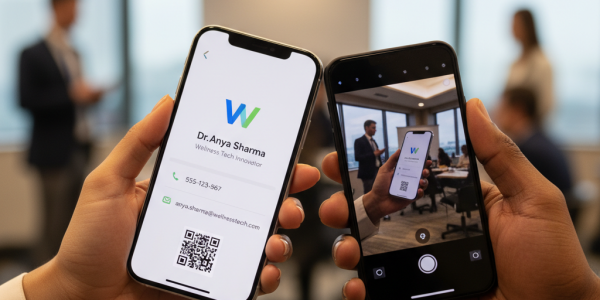
Privacy-First Digital Business Card: A Complete Guide
11 minutes
16th of June 2026
In this article:
- Understanding Privacy Risks in Digital Networking
- Core Features of Privacy-First Digital Business Cards
- Technical Implementation of Privacy Protection
- Sharing Methods That Preserve Privacy
- Balancing Functionality with Privacy
- Enterprise Privacy Considerations
- Evaluating Privacy Claims
- Building Trust Through Privacy
- Privacy-First Doesn't Mean Feature-Poor
- The Future of Privacy in Digital Networking
- Making the Switch to Privacy-First
- Practical Privacy Hygiene
Professional networking has evolved beyond paper cards and public profiles, yet many digital solutions still compromise your personal information. In 2026, data breaches and privacy violations have made professionals increasingly cautious about sharing contact details. A privacy-first digital business card addresses these concerns by giving you complete control over what information you share, with whom, and for how long. Unlike traditional digital cards that store your data on third-party servers without transparency, privacy-focused solutions put you in the driver's seat of your professional identity while maintaining the convenience of instant digital sharing.
Understanding Privacy Risks in Digital Networking
Most networking tools collect far more data than they reveal to users. When you create a profile on many platforms, your information becomes part of their database, subject to their terms of service, data retention policies, and potential security vulnerabilities.
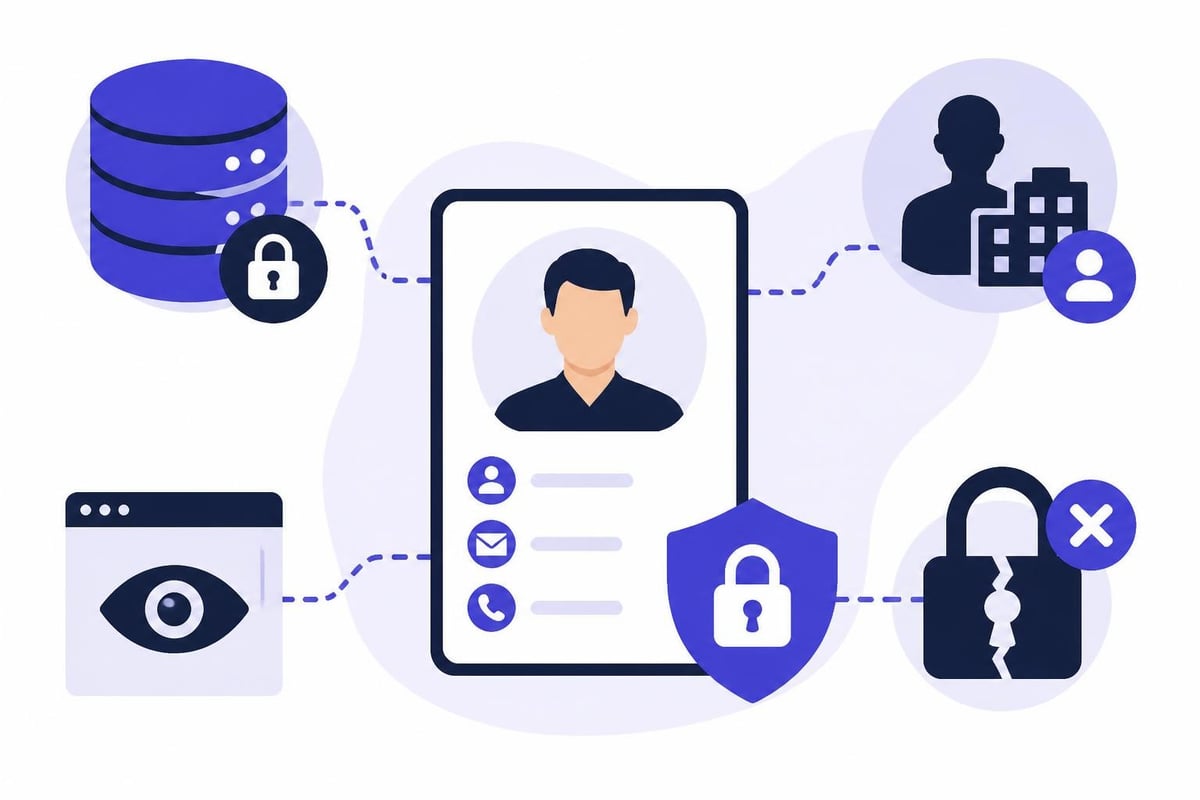
The average digital business card platform stores contact details on centralized servers, creating several privacy concerns. Your professional information may be analyzed for marketing purposes, shared with third parties, or exposed during data breaches. Some platforms track how often your card is viewed, who views it, and what actions recipients take, but they also collect similar data about you when you interact with others' cards.
The Data Collection Problem
Many digital card providers operate on a data collection model where user information generates revenue through analytics, advertising, or lead generation services. While features like view counters and analytics might seem valuable, they often come at the cost of your privacy and the privacy of people you connect with.
Common privacy issues include:
- Unlimited data retention even after account deletion
- Sale or sharing of contact information with partners
- Tracking of recipient behavior without consent
- Lack of encryption for sensitive information
- Automatic syncing to cloud services without user control
- Profile data used to train AI models
These practices create a fundamental tension between convenience and privacy. A privacy-first digital business card resolves this conflict by building privacy protections into the core architecture rather than treating them as optional features.
Core Features of Privacy-First Digital Business Cards
A truly privacy-focused solution incorporates multiple protective layers. The technology architecture determines how well your information is protected, making it essential to understand what separates privacy-respecting platforms from data-hungry alternatives.
Granular Permission Controls
The hallmark of a privacy-first digital business card is the ability to control exactly what information each recipient sees. Rather than sharing everything or nothing, you can customize visibility for different contexts.
For example, you might share your full contact details with clients but only your email with casual networking contacts. Some platforms like CallCard enable privacy controls on every field, ensuring you maintain authority over your professional information. This granular approach means you're never forced to over-share to facilitate a connection.
| Privacy Feature | Traditional Card | Privacy-First Card |
|---|---|---|
| Field-level visibility | All or nothing | Customizable per field |
| Data storage duration | Permanent | User-controlled |
| Recipient tracking | Automatic | Opt-in only |
| Third-party sharing | Common | Prohibited |
| Encryption | Sometimes | Standard |
| Local storage option | Rare | Available |
Data Minimization Principles
Privacy-first platforms collect only the information absolutely necessary for functionality. This approach, mandated by regulations like GDPR, reduces both your risk exposure and the platform's liability in case of a breach.
When evaluating options, look for providers that allow you to function without providing unnecessary personal data during signup. The best solutions don't require your birth date, detailed company information, or access to your contacts just to create a card.
Technical Implementation of Privacy Protection
Understanding the technical foundations helps you evaluate whether a platform truly prioritizes privacy or simply markets itself that way. Several architectural decisions determine how secure your information remains.
Encryption Standards
End-to-end encryption ensures that only you and your intended recipient can access shared information. Even if someone intercepts the data transmission or breaches the platform's servers, encrypted data remains unreadable without the proper keys.
Key encryption considerations:
- Data encrypted in transit using TLS 1.3 or higher
- Storage encryption for data at rest
- Option for zero-knowledge architecture where providers cannot access your data
- Encrypted backups with user-controlled keys
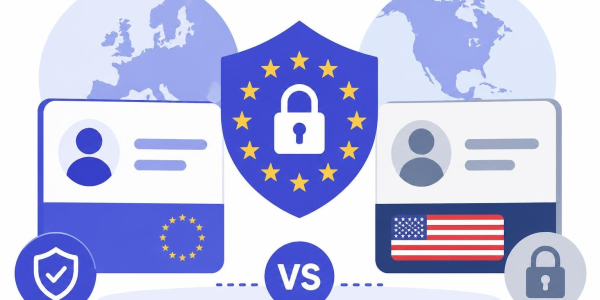
Platforms based in privacy-focused jurisdictions often provide stronger guarantees. GDPR-compliant solutions operating in the European Union must meet stringent data protection requirements that exceed standards in many other regions.
Local vs. Cloud Storage
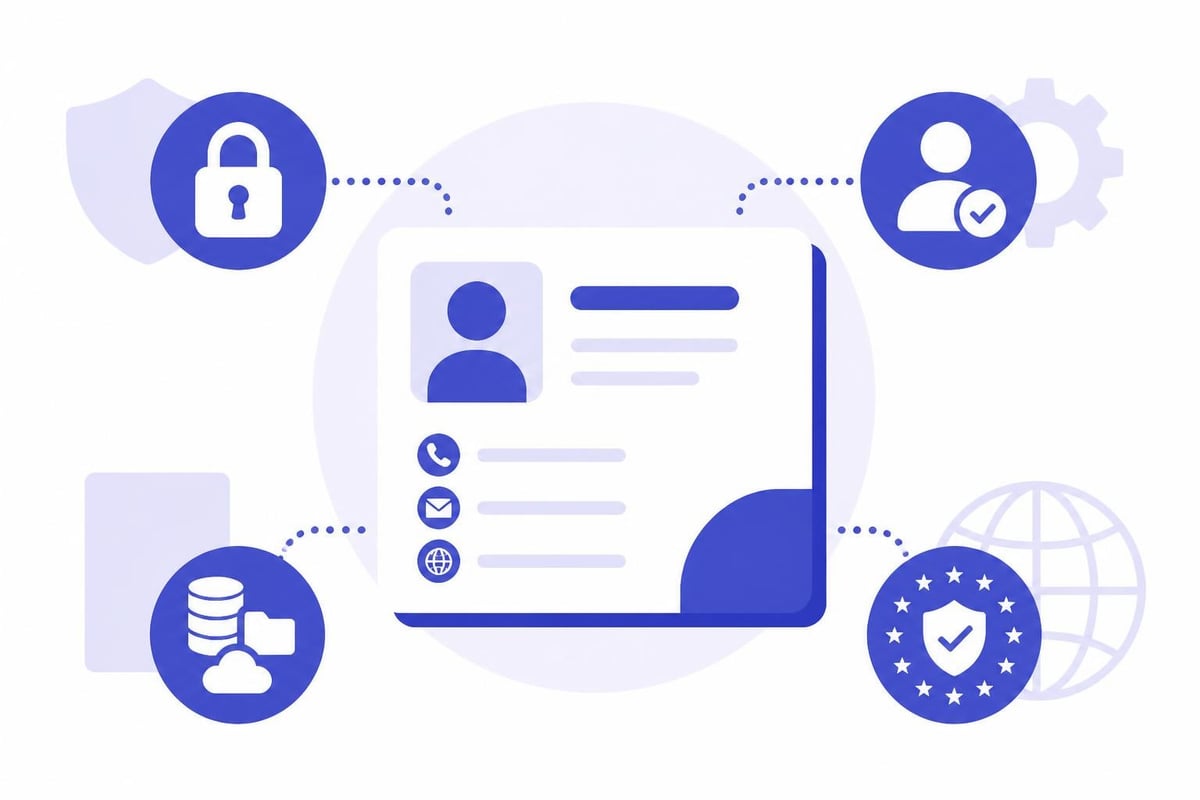
Some privacy-first solutions like Noppi vCard store information directly on your device rather than cloud servers, eliminating central points of failure. This databaseless approach means your information never leaves your control, though it may limit some convenience features like automatic syncing across devices.
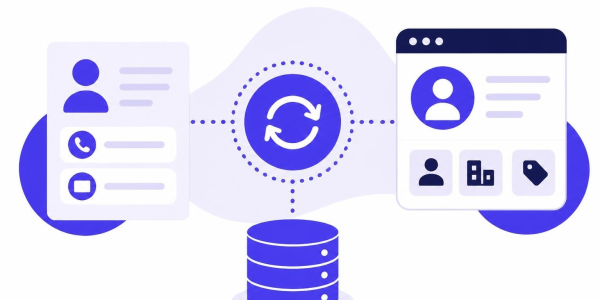
Cloud-based privacy-first alternatives store encrypted data with distributed architecture, ensuring no single server contains complete information. This hybrid approach balances convenience with security.
Sharing Methods That Preserve Privacy
How you share your card dramatically impacts privacy. A privacy-first digital business card offers multiple sharing methods, each with different privacy implications.
QR Codes and NFC Technology
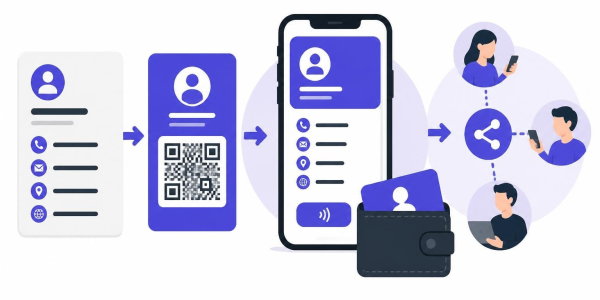
QR codes provide one of the most privacy-preserving sharing methods because they create a one-way information flow. You generate a code containing only the information you choose, and scanning doesn't create a reverse data channel back to you.
NFC (Near Field Communication) enables tap-to-share functionality with similar privacy benefits. Solutions like MeroID emphasize privacy control in NFC contact sharing, allowing you to decide what information transfers during each interaction.
- Generate unique codes per recipient for tracking purposes without revealing your identity
- Set expiration dates on shared links to limit access duration
- Use dynamic QR codes that let you update information without redistributing
- Create context-specific codes for events, meetings, or different professional roles
Wallet Integration
Adding your card to Apple Wallet or Google Wallet provides convenient access while keeping data on your device. This method prevents intermediary platforms from tracking your networking activities while enabling quick sharing in person.
The advantage of wallet integration extends beyond privacy. Recipients can save your contact directly to their phone's contact app, avoiding third-party platforms entirely for the actual storage of your information.
Balancing Functionality with Privacy
A privacy-first digital business card doesn't mean sacrificing useful features. Modern solutions prove you can maintain control while still accessing powerful networking capabilities.
Lead Capture Without Compromise
Professional networking often requires collecting information from others, not just sharing your own. Privacy-first lead capture tools respect both parties' data rights while enabling efficient information exchange.
When attending trade shows or conferences, traditional business card scanning apps often upload all collected contacts to cloud servers immediately. Privacy-focused alternatives give you control over when and where this data moves. For professionals who regularly attend networking events, having a solution that captures leads while respecting privacy builds trust with new connections. Tools designed for this purpose scan cards, extract information, and sync with your CRM only when you authorize it, preventing unauthorized data harvesting.
Analytics That Respect Privacy
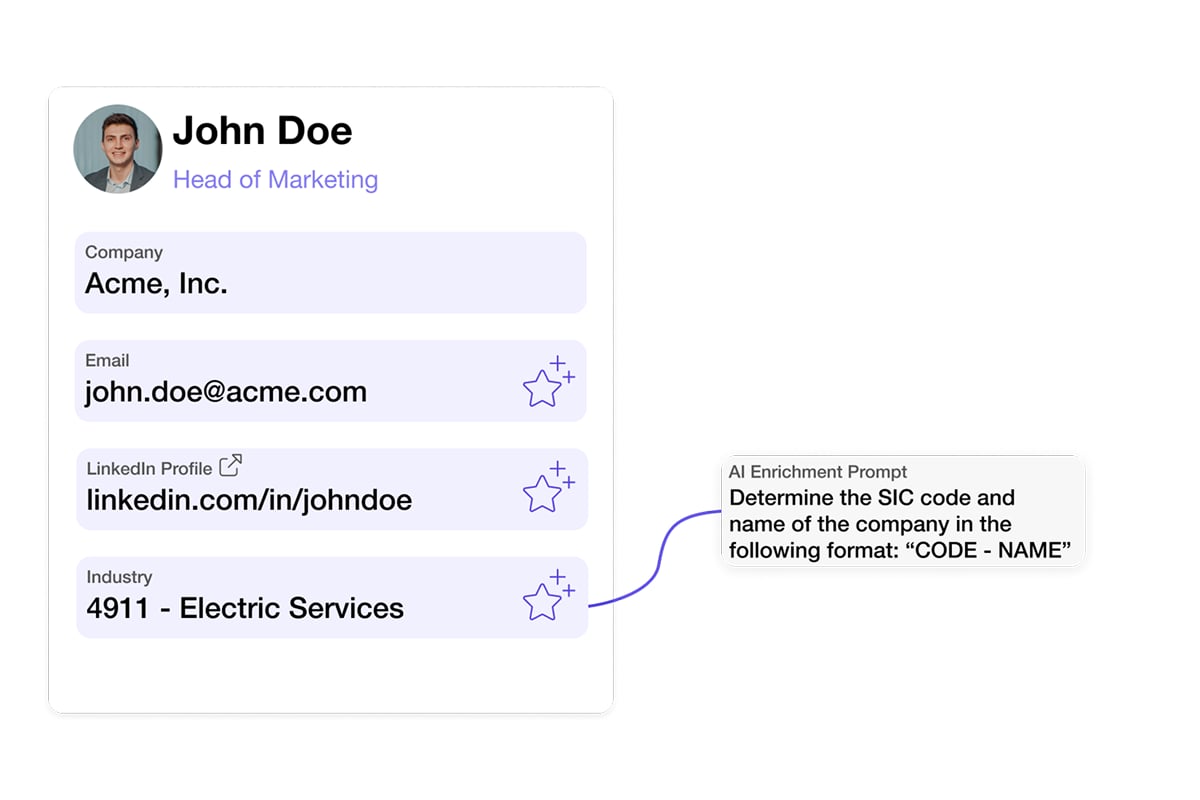
Understanding which networking efforts produce results helps optimize your professional development. However, detailed tracking often crosses privacy boundaries.
Privacy-first analytics focus on aggregate patterns rather than individual behaviors:
- Total card views without identifying specific viewers
- Engagement trends without tracking individual sessions
- Click-through rates on shared resources without user profiling
- Geographic distribution without precise location tracking
Platforms like Krofile demonstrate that AI-powered features and analytics can coexist with privacy protections when designed thoughtfully from the start.
Enterprise Privacy Considerations
For companies deploying digital business cards for teams, privacy concerns multiply. Protecting employee information while maintaining brand consistency and administrative control requires careful planning.
Centralized Management Without Overreach
Team solutions must balance IT department needs with individual privacy rights. A privacy-first approach for organizations includes:
Administrative capabilities:
- Enforce brand guidelines without accessing personal information
- Provision and deprovision cards through HR system integration
- Monitor compliance without tracking individual networking activities
- Generate company-level insights while anonymizing employee data
Employee protections:
- Personal control over optional fields beyond required business information
- Separate personal and professional networking contexts
- Opt-out options for certain analytics or tracking features
- Clear policies on data retention after employment ends
| Privacy Aspect | Employee Concern | Privacy-First Solution |
|---|---|---|
| Personal phone number | Sharing with all contacts | Optional field, role-based visibility |
| - Work location | Revealing home office address | Company address default, manual override |
| Contact syncing | Employer accessing personal contacts | One-way sharing, no reverse access |
| After employment | Former employer controlling data | Automatic deprovision, data export option |
Compliance and Certifications
Organizations in regulated industries need vendors who understand compliance requirements. GDPR compliance represents a baseline, but specific industries may require additional certifications.
Privacy-first providers typically offer data processing agreements, regular security audits, and transparent incident response procedures. Solutions built in Germany and operating under European privacy laws provide stronger guarantees than those subject to less stringent jurisdictions.
Evaluating Privacy Claims
Marketing materials frequently tout privacy features that prove superficial upon examination. Distinguishing genuine privacy-first digital business card solutions from privacy-washing requires critical evaluation.
Red Flags to Watch For
Certain practices indicate a platform prioritizes other objectives over privacy:
- Requiring extensive personal information unrelated to core functionality
- Vague privacy policies with broad data usage rights
- Default settings that maximize data collection
- Difficulty deleting your account or exporting data
- Missing information about data storage locations
- No mention of encryption standards
- Free tiers that monetize through data collection
Solutions like Dex that store contacts locally demonstrate commitment to privacy through technical architecture, not just policy statements.
Questions to Ask Providers
Before committing to a platform, request clear answers about privacy practices:
- Where is user data physically stored and under what jurisdiction?
- Who has access to unencrypted user information?
- How is data handled if the company is acquired or goes out of business?
- What information is shared with third parties and under what circumstances?
- How long is data retained after account deletion?
- What encryption standards protect data in transit and at rest?
Providers confident in their privacy protections welcome these questions and provide detailed, technical answers. Evasive responses or references to lengthy terms of service instead of direct answers suggest privacy may not be the priority claimed.
Building Trust Through Privacy
Professional relationships depend on trust, and how you handle contact information sets the tone. Using a privacy-first digital business card signals respect for boundaries and professional conduct.
First Impressions Matter
When you share your contact details in a way that respects recipient privacy, you demonstrate consideration. Platforms like wCard.io enable you to create a professional impression while maintaining privacy controls, showing connections you value their data security as much as your own.
This consideration extends to asking before sharing. Rather than automatically adding someone to a mailing list or CRM after exchanging cards, privacy-first practices involve explicit consent for follow-up communications.
Industry-Specific Privacy Needs
Certain professions face heightened privacy requirements. Healthcare professionals, attorneys, financial advisors, and therapists handle sensitive client relationships where privacy breaches carry serious consequences.
A privacy-first digital business card for these professionals might include:
- Encrypted messaging for initial contact
- No logging of recipient information without consent
- Separate cards for professional referral networks versus patient/client contact
- Watermarking or tracking prevention on downloaded information
- Regulatory compliance features specific to industry standards
Solutions like Lynkle provide privacy controls ensuring professionals maintain ethical standards while leveraging digital networking convenience.
Privacy-First Doesn't Mean Feature-Poor
A common misconception suggests privacy requires sacrificing functionality. Modern privacy-first digital business card platforms prove the opposite, delivering rich features within privacy-respecting frameworks.
Multimedia and Rich Content
You can include videos, portfolios, social media links, and scheduling tools without compromising privacy. The key is controlling what loads automatically versus what requires recipient action.
Privacy-respecting rich media implementation:
- Video thumbnails instead of autoplay
- Click-to-load embedded content
- Local storage of media files rather than third-party hosting
- No tracking pixels in embedded content
- Clear indication of what information external links may collect
Integration Without Data Leakage
Connecting your digital business card to CRM systems, email marketing platforms, or scheduling tools requires careful configuration to prevent unintended data sharing.
Privacy-first integrations use:
- OAuth authorization requiring explicit permission for each data type
- Selective field mapping so only necessary information syncs
- Audit logs showing what data was shared when
- Revocable access tokens you can disable instantly
- Data flow transparency clarifying exactly where information goes
Platforms supporting major CRM systems like Salesforce, HubSpot, and Pipedrive can implement these integrations while maintaining privacy standards through properly configured APIs and clear user controls.
The Future of Privacy in Digital Networking
Privacy expectations continue evolving as professionals become more aware of data rights and regulations tighten globally. The trajectory points toward increased user control and transparency.
Emerging Privacy Technologies
Several technologies promise enhanced privacy for digital networking:
- Decentralized identity systems where you control credentials without central authorities
- Blockchain-based verification for credential authenticity without exposing underlying data
- Homomorphic encryption enabling computation on encrypted data
- Privacy-preserving analytics using differential privacy techniques
- Biometric authentication for access control without storing biometric data centrally
These innovations will make privacy-first digital business cards even more secure while maintaining or improving functionality.
Regulatory Landscape
Following GDPR's implementation in Europe, privacy regulations have proliferated worldwide. California's CCPA, Brazil's LGPD, and similar laws in numerous jurisdictions create a patchwork of requirements that global professionals must navigate.
Privacy-first platforms simplify compliance by building in protections that satisfy multiple regulatory frameworks. Rather than managing different standards across regions, solutions designed with privacy as fundamental meet requirements automatically.
Making the Switch to Privacy-First
Transitioning from traditional business cards or privacy-compromising digital solutions requires planning but delivers immediate benefits.
Migration Steps
Moving to a privacy-first digital business card involves several straightforward steps:
- Audit current information sharing to understand what you're currently exposing
- Export existing contacts from current platforms while you still have access
- Review privacy policies of potential new platforms
- Test with a small group before full deployment
- Update all sharing points including email signatures, social media, and existing materials
For teams, coordinate the transition to maintain consistency. Many organizations successfully migrate during rebranding efforts or when launching new products, using the change as an opportunity to upgrade their networking approach.
Communicating the Change
When you switch to a privacy-first approach, briefly explaining the change to key contacts reinforces your commitment to data protection. A simple message like "I've updated my contact card to use a more secure platform" demonstrates professionalism and consideration.
This communication also educates your network about privacy options, potentially encouraging others to evaluate their own practices.
Practical Privacy Hygiene
Beyond choosing a privacy-first digital business card, several practices maximize protection:
- Review sharing settings regularly to ensure they still match your preferences
- Audit third-party connections annually and remove unused integrations
- Use unique sharing links for different contexts to track effectiveness
- Set reminders to update information rather than leaving outdated details accessible
- Enable two-factor authentication on your digital card account
- Monitor for unauthorized access through platform security logs
These habits complement platform features, creating comprehensive privacy protection for your professional identity.
Privacy-first digital business cards represent the evolution of professional networking, combining modern convenience with respect for personal data. As professionals and organizations recognize the value of controlling their information, solutions that prioritize privacy without sacrificing functionality become essential tools. Spreadly delivers exactly this balance, offering GDPR-compliant digital business cards built in Germany with complete control over your contact information, rich customization options, and powerful features like lead capture and CRM integration, all while keeping your data secure and your sharing preferences in your hands.