NFC Tag Card: Modern Networking Technology Guide 2026
11 minutes
20th of July 2026
In this article:
- Understanding NFC Tag Card Technology
- Business Applications and Use Cases
- Technical Standards and Compatibility
- Choosing the Right NFC Tag Card Solution
- Implementation Best Practices
- Measuring Success and Optimization
- Advanced Features and Integration
- Environmental and Sustainability Benefits
- Industry-Specific Applications
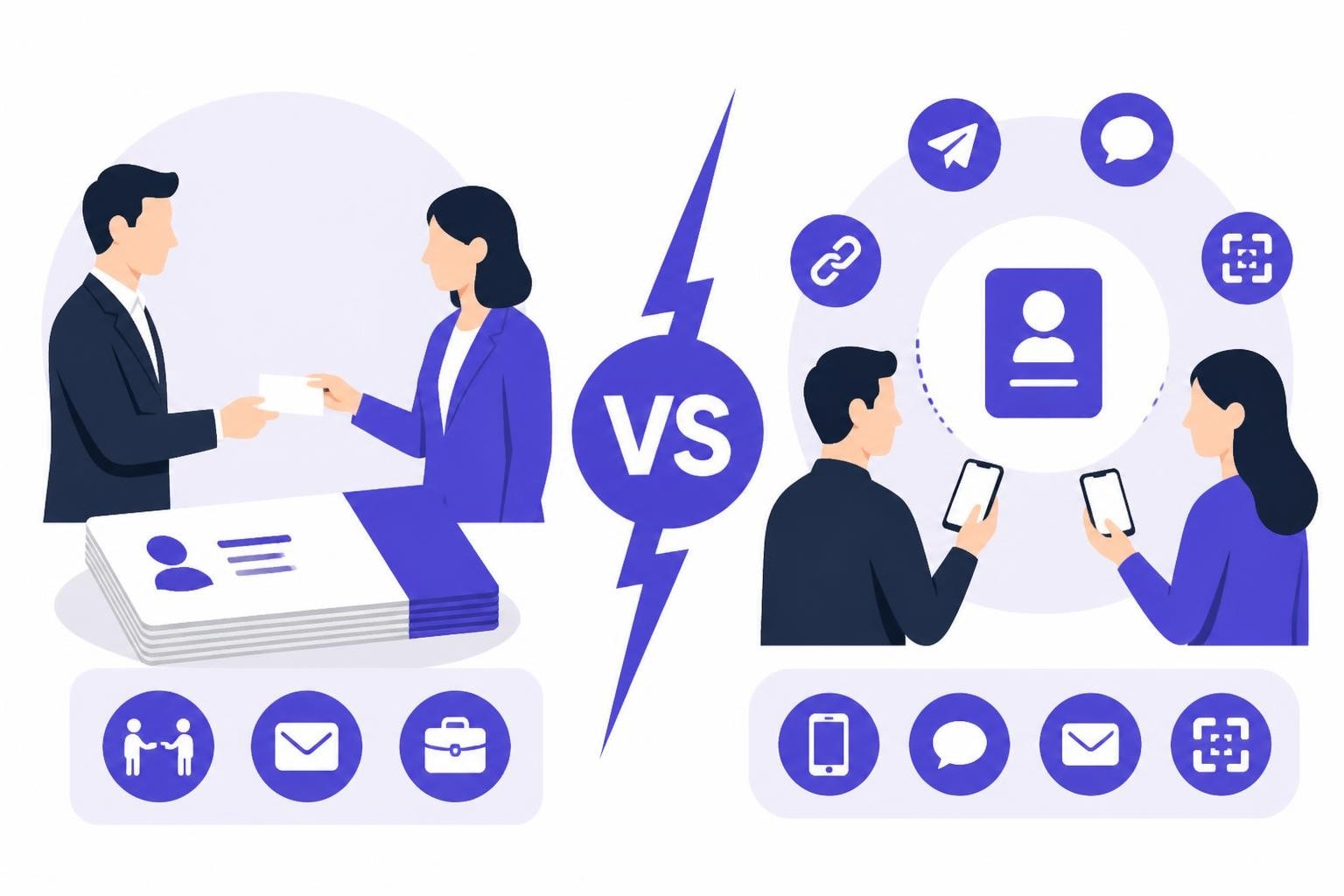
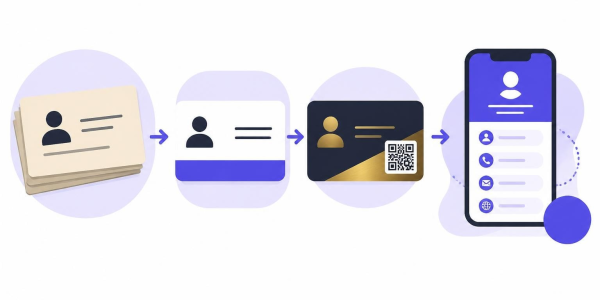
The business world has witnessed a dramatic shift in how professionals exchange contact information over the past few years. While traditional paper business cards served their purpose for decades, modern networking demands faster, more efficient solutions. An nfc tag card represents the convergence of physical and digital networking, allowing professionals to share comprehensive contact details with a simple tap. This technology has matured significantly by 2026, offering reliability, affordability, and ease of use that makes it accessible to businesses of all sizes.
Understanding NFC Tag Card Technology
Near Field Communication (NFC) technology powers the modern nfc tag card, enabling wireless data transfer between devices within close proximity. The fundamental principle behind NFC technology involves electromagnetic induction between two loop antennas when they're brought within a few centimeters of each other. This creates a peer-to-peer network that facilitates instant communication without requiring manual pairing or complex setup procedures.
Core Components and Architecture
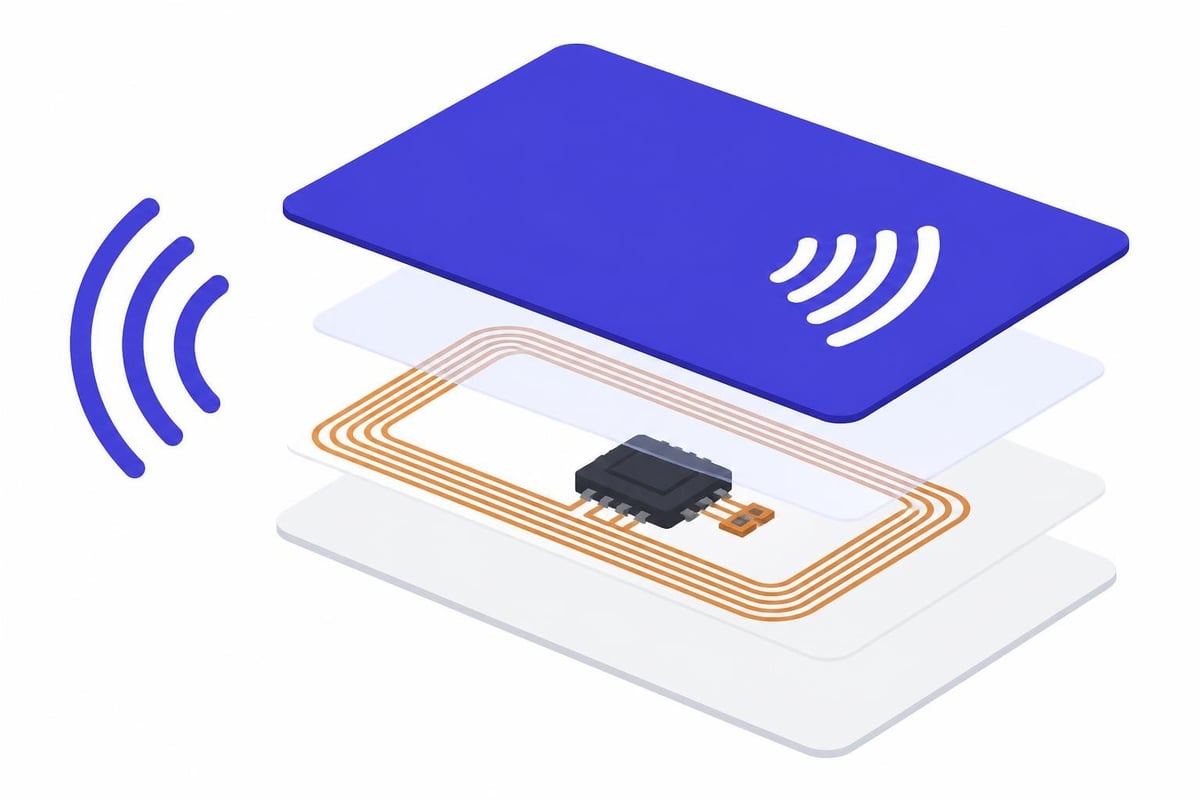
An nfc tag card contains several essential elements working together to deliver seamless functionality:
- Integrated circuit chip storing digital information and managing data protocols
- Antenna coil enabling electromagnetic field generation and reception
- Protective substrate ensuring durability and longevity of the card
- Optional visual design layer maintaining professional branding and aesthetics
The chip within an nfc tag card operates as a passive device, drawing power from the electromagnetic field generated by an active reader device such as a smartphone. This passive operation eliminates the need for batteries, contributing to the slim profile and extended lifespan of these cards. According to technical specifications from AT&T, NFC tags typically offer memory capacities ranging from 48 bytes to several kilobytes, sufficient for storing URLs, contact information, and configuration data.
How Data Transfer Occurs
When someone taps an nfc tag card against a compatible smartphone, a sophisticated sequence of events unfolds within milliseconds. The phone's NFC reader generates a radio frequency field that powers the passive chip in the card. Once powered, the chip transmits its stored data back to the phone through load modulation of the electromagnetic field. This bidirectional communication happens at frequencies of 13.56 MHz, adhering to international standards that ensure universal compatibility.
The Android NFC development documentation explains that modern smartphones can read various NFC tag types, including Type 1 through Type 5 tags, each with different memory capacities and security features. Most business applications utilize Type 2 or Type 4 tags, which offer an optimal balance between cost, capacity, and compatibility across devices.
Business Applications and Use Cases
Professional networking represents the primary application for nfc tag card technology in 2026, but the versatility of these cards extends far beyond simple contact sharing. Organizations across industries have discovered innovative ways to leverage this technology for operational efficiency and enhanced customer engagement.
Networking and Contact Exchange
The most prevalent use of an nfc tag card involves sharing professional contact information instantly. When a recipient taps the card with their smartphone, they receive a complete digital profile that may include:
| Information Type | Examples | Benefits |
|---|---|---|
| Basic Contact | Name, title, phone, email | Immediate accessibility |
| Digital Presence | LinkedIn, website, social media | Extended professional context |
| Rich Media | Video introductions, portfolios | Memorable first impressions |
| Interactive Elements | Calendar booking, lead forms | Streamlined follow-up actions |
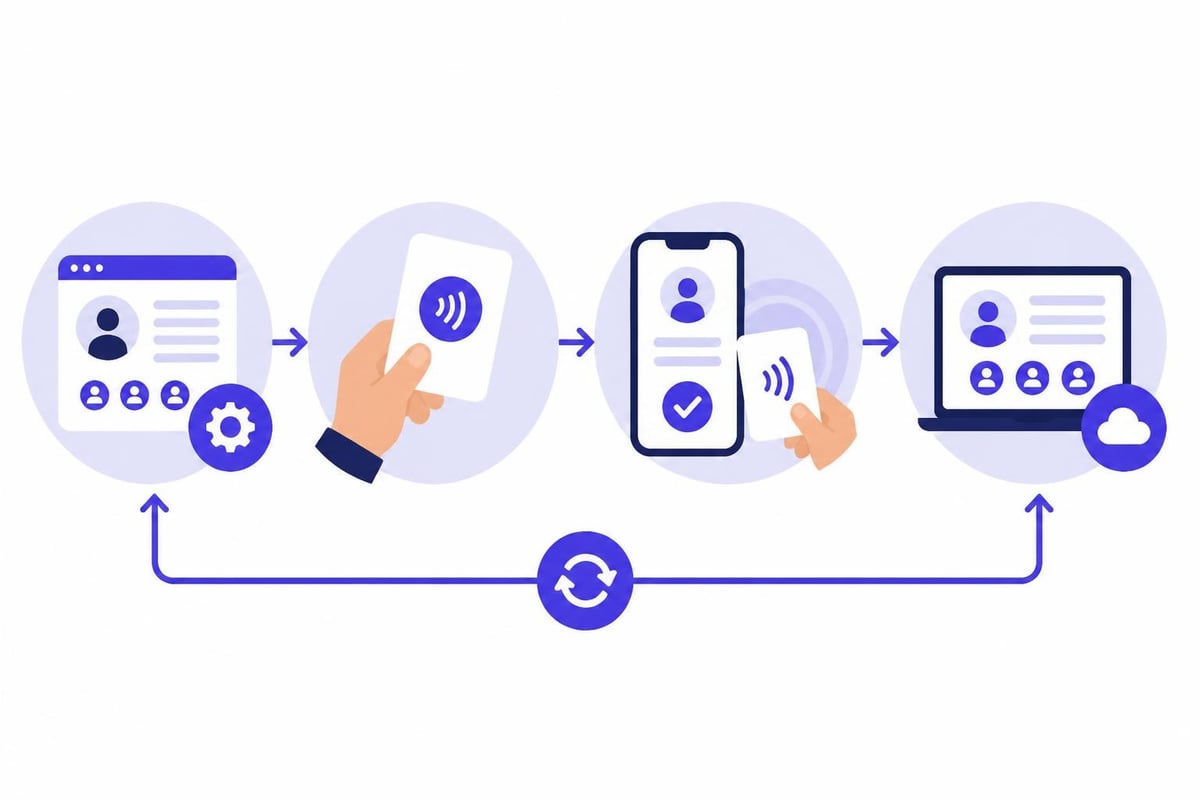
This capability transforms networking encounters from one-way information dumps into interactive experiences. Rather than collecting dozens of paper cards at a conference that eventually get lost or forgotten, professionals can instantly save complete contact profiles directly to their phone's contact list or CRM system.
Team Implementation Strategies
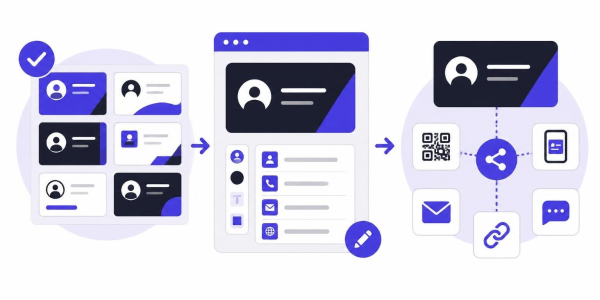
Organizations deploying nfc tag card solutions for entire teams benefit from centralized management and consistent branding. Digital business cards for teams enable administrators to provision cards at scale, update information company-wide, and maintain brand compliance across all employee profiles. This centralized approach ensures that when employees change roles, phone numbers, or other details, their nfc tag card automatically reflects the updates without requiring physical replacement.
Companies have reported significant cost savings by eliminating the constant reprinting of traditional business cards. A mid-sized organization with 200 employees might spend $5,000 annually on paper card printing, not including the environmental cost of discarded outdated cards. An nfc tag card investment typically pays for itself within the first year while providing ongoing operational advantages.
Technical Standards and Compatibility
The widespread adoption of nfc tag card technology stems from rigorous international standardization efforts. The NFC Forum, ISO/IEC standards bodies, and major technology companies have collaborated to ensure interoperability across devices and platforms worldwide.
Supported Platforms and Devices
By 2026, NFC reading capability has become standard across virtually all smartphones sold in developed markets. Both iOS and Android platforms offer native NFC support, though implementation details vary:
iOS Devices:
- iPhone XS and newer models support background NFC tag reading
- No app installation required for basic contact card reading
- Automatic prompt appears when nfc tag card is detected
- Integration with Apple Wallet for stored passes and cards
Android Devices:
- NFC available since Android 4.0, refined in subsequent versions
- Native Android NFC capabilities support read/write operations
- Beam functionality enables device-to-device sharing
- Wider range of tag types and formats supported
This universal compatibility ensures that an nfc tag card functions reliably regardless of which smartphone platform a contact uses, removing technical barriers to adoption.
Security and Privacy Considerations
Understanding security aspects of NFC tags remains essential for businesses deploying these technologies. While nfc tag card solutions offer convenience, they also introduce security considerations that organizations must address:
- Data encryption: Sensitive information should be encrypted before storage on the tag
- URL validation: Links should point to HTTPS-secured websites to prevent man-in-the-middle attacks
- Access control: Cards containing confidential data may require password protection
- Clone prevention: Higher-security applications benefit from unique identifier verification
Most business networking applications of nfc tag card technology involve minimal security risk, as the cards typically store only a URL pointing to an online profile rather than sensitive data directly. This approach keeps the card simple while maintaining control over information through backend systems.
Choosing the Right NFC Tag Card Solution
Selecting an appropriate nfc tag card solution requires evaluating several factors based on organizational needs, budget constraints, and deployment scale. The market offers options ranging from basic encoded cards to fully managed digital business card platforms with NFC capabilities.
Key Selection Criteria
When evaluating nfc tag card providers, consider these essential factors:
- Card quality and durability - Material construction, print quality, and expected lifespan
- Encoding flexibility - Ability to update or rewrite the card's destination URL
- Design customization - Options for matching corporate branding and visual identity
- Platform integration - Compatibility with existing CRM, HR, and marketing systems
- Analytics and tracking - Visibility into card usage, tap rates, and conversion metrics
- Support and onboarding - Assistance with deployment, training, and troubleshooting
Organizations planning large-scale deployments should prioritize solutions offering centralized management capabilities. The ability to update hundreds or thousands of employee cards simultaneously through a single dashboard represents significant operational value compared to individually encoding each card.
Cost Considerations and ROI
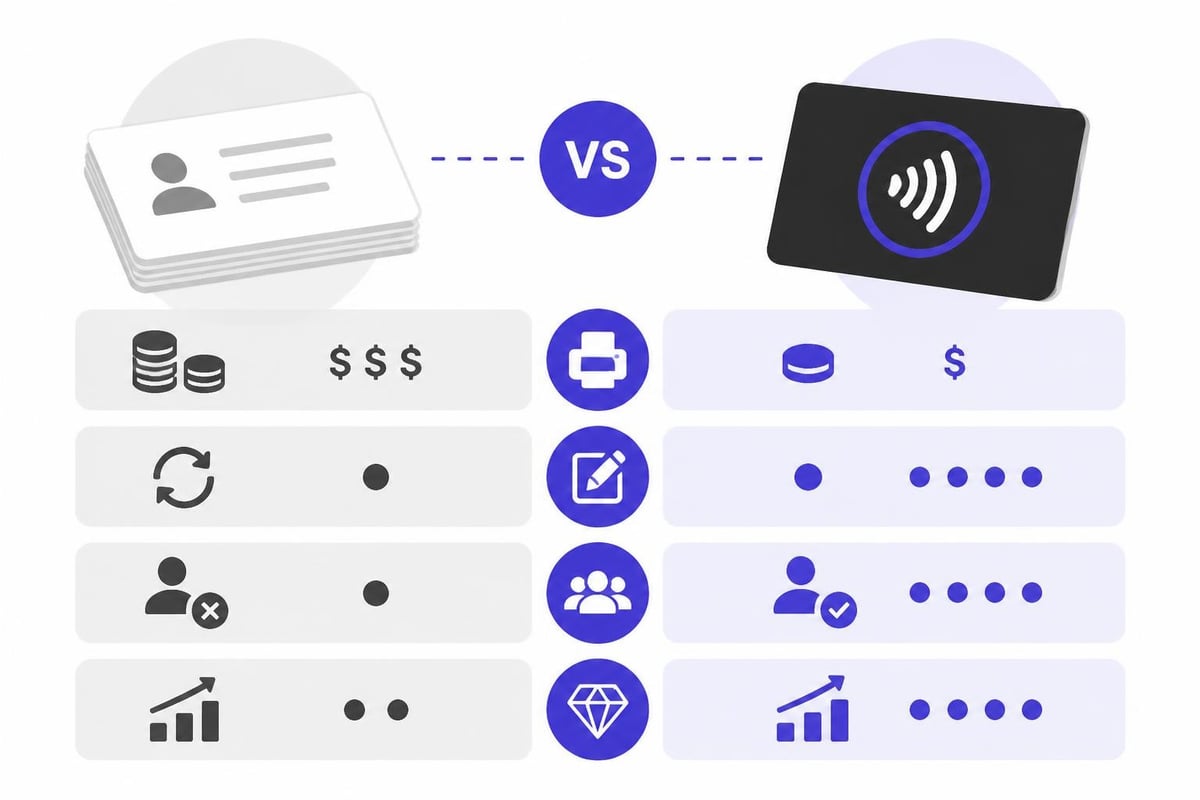
Investment in nfc tag card technology varies considerably based on features, quantity, and customization requirements. Basic NFC-enabled cards cost between $2 and $5 per unit for bulk orders, while premium options with metal construction or advanced features may reach $10 to $20 per card.
When calculating return on investment, consider both direct cost savings and productivity improvements:
| Cost Factor | Traditional Cards | NFC Tag Cards |
|---|---|---|
| Initial production | $0.10 - $0.50 per card | $2 - $20 per card |
| Replacement frequency | Every 6-12 months | 2-5 years |
| Update costs | Full reprint required | $0 (digital update) |
| Lead capture efficiency | Manual data entry | Automatic CRM sync |
| Follow-up conversion | 20-30% typical | 40-60% reported |
The productivity gains from eliminating manual contact entry, reducing follow-up friction, and maintaining current information often justify the higher initial investment within the first year of deployment.
Implementation Best Practices
Successfully deploying nfc tag card technology across an organization requires thoughtful planning and execution. Companies that approach implementation strategically realize faster adoption and higher utilization rates than those distributing cards without supporting processes.
Deployment Planning
Start with a pilot program involving a small group of frequent networkers such as sales teams or executives. This approach allows you to identify technical issues, gather user feedback, and refine processes before company-wide rollout. Document common questions and create simple training materials addressing:
- How to activate and share the nfc tag card
- What happens when someone taps the card
- How to update profile information
- Troubleshooting common issues
- Best practices for networking conversations
Integrate the nfc tag card into your broader digital identity strategy rather than treating it as a standalone tool. Ensure consistency between the card's destination profile, email signatures, LinkedIn presence, and other professional touchpoints.
User Training and Adoption
Even though nfc tag card technology is intuitive, providing brief training ensures confident adoption. A 15-minute session covering the following topics proves sufficient for most users:
- Demonstration: Show the tap-to-share experience from both perspectives
- Profile customization: Walk through updating personal information and preferences
- Networking scenarios: Discuss when and how to use the card effectively
- Analytics review: Explain how to track engagement and follow-up
- Support resources: Provide contact information for technical assistance
Create visual quick-reference guides that employees can consult when encountering questions in the field. A simple card-sized printout explaining "How to share your NFC card" serves as a helpful reminder until the behavior becomes habitual.
Measuring Success and Optimization
Deploying nfc tag card solutions represents just the beginning. Organizations maximizing value from this technology consistently measure performance metrics and optimize based on data insights.
Key Performance Indicators
Track these metrics to evaluate nfc tag card program effectiveness:
- Tap-through rate: Percentage of cards distributed that generate profile views
- Contact capture rate: How many taps result in saved contacts or lead form submissions
- Follow-up conversion: Percentage of card shares leading to meetings or opportunities
- Profile engagement: Time spent viewing profiles and interaction with embedded content
- Update frequency: How often team members refresh their digital information
Compare these metrics against previous networking methods to quantify improvement. Sales teams particularly benefit from visibility into which team members excel at digital networking and what profile elements drive highest engagement.
Continuous Improvement Strategies
Analyze performance data to identify optimization opportunities. If tap-through rates are lower than expected, investigate potential causes:
- Are team members mentioning the card during introductions?
- Does the card design clearly indicate NFC functionality?
- Is the tap target area easily identified?
- Are recipients receiving clear instructions?
Experiment with profile content to determine what resonates with your audience. A/B testing different call-to-action buttons, video introductions, or content arrangements reveals preferences specific to your industry and target contacts. When a sales representative adopting digital business card technology discovers that including a brief video introduction increases follow-up rates by 40%, that insight can be shared across the team for broader impact.
Regular surveys of both card users and recipients provide qualitative insights complementing quantitative metrics. Understanding the emotional and practical aspects of the nfc tag card experience guides refinement of both technology and processes.
Advanced Features and Integration
Modern nfc tag card platforms extend far beyond simple contact sharing, offering sophisticated capabilities that transform how professionals manage relationships and track networking ROI. Understanding these advanced features helps organizations maximize their technology investment.
CRM and Marketing Automation
Integration between nfc tag card systems and customer relationship management platforms creates powerful workflows. When a prospect taps your card, their information flows directly into your CRM with proper tagging, assignment, and follow-up triggers. This automation eliminates the dreaded post-conference data entry session where dozens of paper cards get manually transcribed into systems.
Leading platforms synchronize with major CRM providers including Salesforce, HubSpot, Microsoft Dynamics, and Pipedrive. The integration captures not just contact information but also contextual data such as:
- When and where the connection occurred
- Which team member made the introduction
- What content the prospect viewed
- Follow-up actions taken
- Engagement level and interest signals
This rich data enables more personalized and timely follow-up compared to the generic "nice to meet you" emails typically sent after networking events.
Analytics and Reporting
Enterprise nfc tag card deployments benefit from comprehensive analytics dashboards providing visibility into networking activities across the organization. Management teams gain insights into:
| Metric Category | Insights Provided | Business Value |
|---|---|---|
| Team activity | Cards shared, profiles viewed, contacts captured | Identify top networkers and training needs |
| Geographic data | Where connections occur most frequently | Optimize event attendance and travel |
| Temporal patterns | Peak networking times and seasons | Plan campaigns and resources |
| Content performance | Which profile elements drive engagement | Refine messaging and positioning |
| Conversion tracking | Networking to opportunity to revenue | Calculate true networking ROI |
These insights transform networking from an unmeasurable activity into a data-driven process with clear accountability and optimization opportunities.
Environmental and Sustainability Benefits
As organizations prioritize environmental responsibility in 2026, the sustainability advantages of nfc tag card technology deserve consideration. The reduction in paper consumption, printing chemicals, and logistics emissions contributes meaningfully to corporate environmental goals.
A typical professional might distribute 500 to 1,000 traditional business cards annually. Multiply this across a 200-person organization, and you're looking at 100,000 to 200,000 paper cards per year. Each card requires paper production, printing, cutting, and shipping-processes with measurable environmental footprints.
Switching to nfc tag card solutions dramatically reduces this impact. While the cards themselves require manufacturing resources, their multi-year lifespan and elimination of reprints for updates result in substantially lower overall resource consumption. Organizations tracking carbon footprints can quantify and report these savings as part of sustainability initiatives.
The digital nature of nfc tag card profiles also eliminates the common scenario where paper cards become obsolete when contact information changes, leading to disposal of thousands of cards that served for only weeks or months before becoming inaccurate.
Industry-Specific Applications
Different industries have discovered unique applications for nfc tag card technology that extend beyond traditional networking scenarios. Understanding these specialized use cases may inspire innovative implementations within your organization.
Real Estate and Property Management
Real estate professionals use nfc tag card technology in creative ways:
- Property signage: Cards affixed to "For Sale" signs enable instant access to property details, virtual tours, and agent contact information
- Open house check-in: Visitors tap to register attendance and receive follow-up materials
- Listing presentations: Physical cards left with homeowners link to detailed market analyses and service explanations
Healthcare and Medical Practices
Healthcare providers leverage nfc tag card capabilities while maintaining HIPAA compliance:
- Physician referrals: Specialists share complete credentials, specialties, and patient intake forms
- Practice information: Cards provide office hours, insurance acceptance, and appointment booking
- Medical conference networking: Researchers exchange publication lists and collaboration interests
Hospitality and Events
Hotels, venues, and event organizers deploy nfc tag card solutions for:
- Concierge services: Guest services cards link to local recommendations and booking capabilities
- Event check-in: Attendee badges with NFC enable instant profile sharing and connection
- Venue information: Cards provide floor plans, amenity details, and contact information
NFC tag card technology has evolved from a novel concept to an essential professional tool by 2026, offering measurable advantages in networking efficiency, lead capture, and relationship management. The combination of universal smartphone compatibility, declining hardware costs, and sophisticated software platforms makes this technology accessible to organizations of all sizes. If you're ready to modernize how your team shares contact information and captures leads, Spreadly provides a comprehensive solution with NFC card options, unlimited updates, team management capabilities, and seamless CRM integration to transform every networking encounter into a measurable business opportunity.