
Premium Business Card Design: Quality and Innovation
11 minutes
16th of July 2026
In this article:
- Understanding What Makes Business Cards Truly Premium
- Material Selection Strategies for Maximum Impact
- Typography and Layout Principles for Premium Cards
- Current Design Trends Shaping Premium Cards in 2026
- Comparing Investment Levels and Value Propositions
- Digital Alternatives Redefining Premium in 2026
- Production Considerations for Premium Results
- Maintaining Brand Consistency Across Card Design
- Strategic Distribution and Presentation Techniques
- Evaluating Premium Business Card Design Effectiveness
First impressions in business networking have never been more critical. Your business card serves as a tangible representation of your professional identity and brand values. Premium business card design goes far beyond simply printing your contact information on cardstock. It encompasses strategic material selection, thoughtful finishing techniques, and innovative design approaches that command attention and create lasting impressions. In 2026, the definition of premium has expanded to include not only physical excellence but also digital sophistication that meets the expectations of modern professionals.
Understanding What Makes Business Cards Truly Premium
Premium business card design distinguishes itself through exceptional attention to detail across multiple dimensions. The foundation begins with substrate selection, where paper weight, texture, and composition create immediate tactile impressions. Premium business cards typically feature cardstock ranging from 16pt to 32pt thickness, significantly heavier than standard options.
Material quality extends beyond weight alone. Cotton-based papers, plastic compositions, metal substrates, and wood veneers each convey distinct brand messages. The texture communicates sophistication before a single word is read. Soft-touch lamination, linen finishes, and embossed patterns engage the sense of touch in ways that standard cards cannot replicate.
Essential Elements of Premium Physical Cards
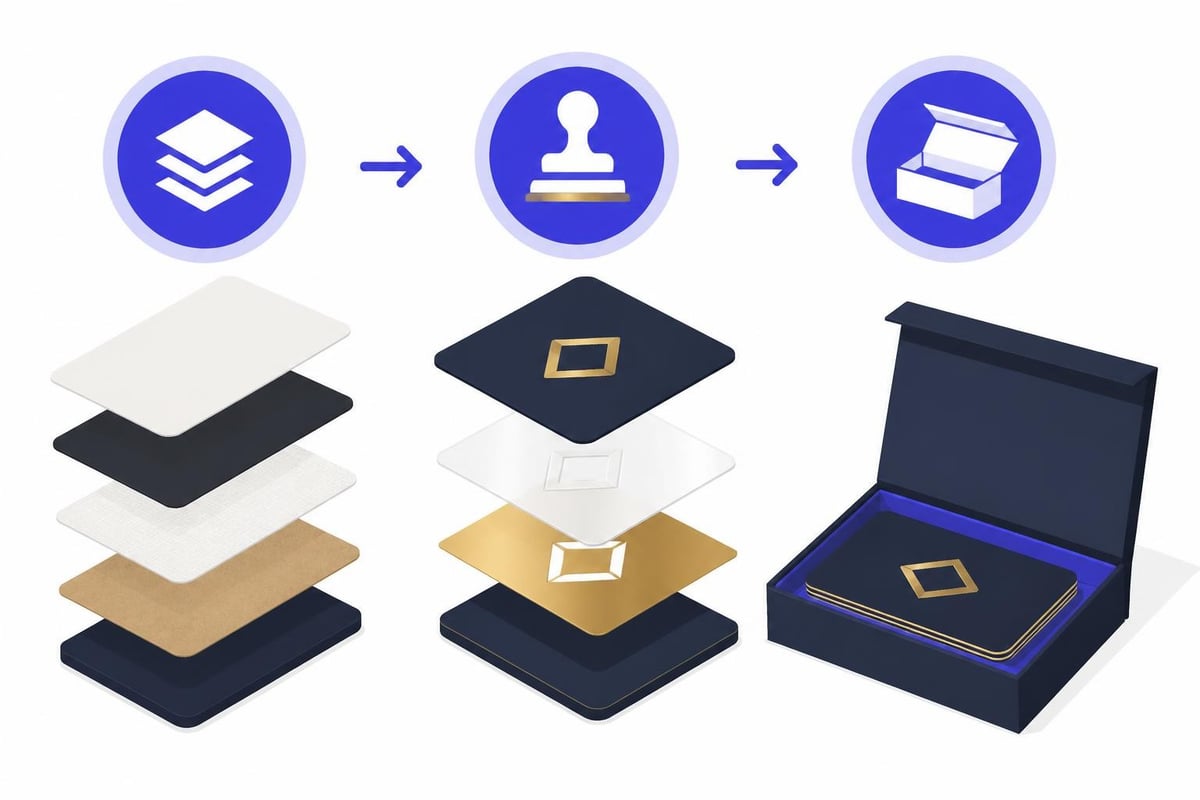
The anatomy of exceptional business card design involves multiple layers of decision-making. Each component contributes to the overall impression and longevity of the card's impact.
Core Design Components:
- Paper stock and weight: Minimum 14pt for premium feel, with 18pt-32pt for luxury positioning
- Finish treatments: Matte, gloss, soft-touch, or textured lamination
- Edge painting: Colored edges that add dimensional interest
- Special printing techniques: Letterpress, foil stamping, embossing, or debossing
- Die-cutting: Custom shapes that break from rectangular conventions
The power of premium business cards lies in how these elements combine to create multisensory experiences. When someone receives your card, the weight in their hand, the texture against their fingertips, and the visual impact all work together to position your brand.
Material Selection Strategies for Maximum Impact
Choosing the right substrate for your premium business card design requires understanding both aesthetics and functionality. Different materials communicate different brand personalities while offering varying levels of durability and memorability.
| Material Type | Brand Message | Durability | Cost Level |
|---|---|---|---|
| Cotton Paper | Established, traditional, quality-focused | High | Medium-High |
| Plastic/PVC | Modern, durable, innovative | Exceptional | Medium |
| Metal | Luxury, exclusive, high-end | Permanent | High |
| Wood Veneer | Eco-conscious, unique, artisanal | Medium-High | High |
| Suede/Velvet Laminate | Sophisticated, tactile, memorable | Medium | Medium-High |
Cotton-based stocks offer a prestigious feel that evokes quality stationery traditions. These materials accept ink beautifully and provide excellent color reproduction. They also communicate environmental consciousness when paired with recycled content claims.
Plastic cards deliver unmatched durability. They resist water, wear, and tearing, ensuring your contact information remains pristine through countless exchanges. The modern aesthetic appeals to technology companies, creative agencies, and forward-thinking brands.
Specialty Finishes That Elevate Design
Premium business card design leverages finishing techniques to create depth and visual interest. High-end business cards incorporate luxury finishes that transform simple information into memorable brand experiences.
Popular Premium Finishes:
- Spot UV coating: High-gloss treatment on specific design elements for contrast
- Foil stamping: Metallic or holographic foils that catch light and attention
- Embossing and debossing: Raised or recessed elements adding dimension
- Soft-touch lamination: Velvety finish creating luxurious tactile experience
- Edge painting: Colored edges visible when cards are stacked or viewed from side
These techniques should align with your brand identity rather than simply adding ornamentation. A law firm might choose subtle embossing for understated elegance, while a creative agency could embrace bold foil accents to showcase innovation.
Typography and Layout Principles for Premium Cards
Design restraint often separates premium business cards from cluttered alternatives. Custom business cards that feel premium embrace white space and hierarchy rather than cramming every possible detail onto limited real estate.
Typography selection communicates as powerfully as material choices. Premium designs typically feature:
- Clean, readable typefaces with professional pedigrees
- Appropriate font sizing that balances legibility with elegance
- Strategic use of font weights to create visual hierarchy
- Generous spacing between elements
- Alignment that creates order and sophistication
Consider limiting your design to two or three typefaces maximum. Select complementary fonts that reinforce your brand personality while maintaining readability. Sans-serif fonts project modern efficiency, while serif typefaces suggest tradition and established expertise.
Color Psychology in Premium Design
Color choices in premium business card design extend beyond personal preference. Strategic color application influences perception and memorability while reinforcing brand recognition.
Color Strategy Considerations:
- Limited palette: Two to three colors maximum for sophisticated restraint
- Brand alignment: Consistency with existing corporate identity standards
- Contrast for legibility: Ensuring information remains readable
- Metallic accents: Gold, silver, or copper for luxury positioning
- Matte versus gloss: Surface finish affects color perception and sophistication
Premium business card guides emphasize that color choices should serve strategic communication goals. Deep navy communicates trust and professionalism, while vibrant accent colors demonstrate creativity and energy.

Current Design Trends Shaping Premium Cards in 2026
The business card landscape continues evolving, with new trends emerging while timeless principles remain constant. Understanding current business card trends for 2025 and beyond helps ensure your premium design feels contemporary rather than dated.
Minimalism continues dominating premium business card design. Clean layouts with abundant white space communicate confidence and modernity. Rather than filling every millimeter with information, premium designs embrace breathing room that lets key elements shine.
Emerging Design Directions:
- Geometric patterns: Subtle background elements adding visual interest
- Gradient applications: Smooth color transitions creating depth
- Negative space utilization: Strategic emptiness guiding the eye
- Monochromatic schemes: Single-color variations for sophisticated cohesion
- Textural contrasts: Combining smooth and rough finishes on single cards
Eco-friendly materials are gaining traction across all market segments. Recycled papers, biodegradable plastics, and sustainably sourced materials allow brands to demonstrate environmental responsibility without sacrificing premium positioning.
The Rise of Unconventional Shapes and Formats
While rectangular cards remain standard, premium business card design increasingly explores alternative formats. Stylish business card design ideas for 2025 showcase rounded corners, die-cut shapes, and folded formats that expand creative possibilities.
Rounded corners soften the professional aesthetic while improving durability by eliminating vulnerable sharp corners. Square cards break from convention and stand out in cardholders filled with standard rectangles. Folded business cards double available design space, allowing interior reveals that create engagement.
These format variations should serve strategic purposes rather than novelty alone. A real estate agent might use a house-shaped die-cut, while a photographer could employ a folded format showcasing portfolio images inside.
Comparing Investment Levels and Value Propositions
Understanding when premium business card design justifies increased investment requires examining your networking context and brand positioning. Premium versus standard business cards serve different strategic purposes across various professional scenarios.
| Card Type | Cost Per Card | Best Use Cases | Longevity | Impact Level |
|---|---|---|---|---|
| Standard | $0.02-0.10 | High-volume distribution, job seekers | 1-2 weeks | Basic |
| Mid-Range | $0.15-0.40 | General business networking | 1-2 months | Moderate |
| Premium | $0.50-2.00 | Executive contacts, high-value prospects | 3+ months | High |
| Luxury | $2.00-10.00+ | C-suite, exclusive positioning | Permanent | Exceptional |
Premium business card design becomes essential when each networking interaction carries significant potential value. C-level executives, luxury service providers, and businesses targeting affluent clientele find that card quality directly influences perceived brand value.
Standard cards suffice for high-volume scenarios where quantity exceeds quality concerns. Job seekers attending career fairs or sales representatives at mass-attendance events might prioritize distribution volume over premium materials.
Calculating Return on Investment
The anatomy of a premium business card demonstrates how physical quality influences customer perception and follow-through rates. Research suggests premium cards enjoy higher retention rates and stronger recall compared to standard alternatives.
When a potential client or partner keeps your premium card rather than discarding it, the extended brand exposure justifies the incremental cost. Premium materials communicate that you value quality and attention to detail, attributes that transfer to perceptions about your products or services.
Calculate ROI by considering:
- Average value of acquired customers or contracts
- Conversion rates from initial contact to completed business
- Retention rates comparing premium versus standard cards
- Brand positioning goals and competitive differentiation needs
- Networking contexts and target audience expectations
Digital Alternatives Redefining Premium in 2026
Premium business card design now extends beyond physical materials into digital innovation. Modern professionals increasingly recognize that truly premium networking solutions combine traditional quality with technological capabilities that paper cannot match.
Digital business cards offer advantages that even the most luxurious printed cards cannot replicate. Instant updates ensure contact information stays current without reprinting. Multi-media capabilities incorporate video introductions, portfolio samples, and interactive elements. Environmental sustainability eliminates printing waste entirely.
For networking teams, digital business cards for teams provide centralized management, ensuring brand consistency across entire organizations. HR integrations automate card creation and updates as personnel changes occur, while built-in analytics track engagement and follow-up effectiveness.
Hybrid Approaches Combining Physical and Digital Excellence
Forward-thinking professionals embrace hybrid strategies that leverage both physical premium cards and digital capabilities. NFC-enabled cards feature premium materials and finishes while embedding technology that transfers complete contact information with a simple tap.
QR codes printed on premium cards bridge physical and digital experiences. Recipients scan codes to access comprehensive digital profiles containing information that physical cards cannot accommodate. This approach maintains the tactile impact of premium materials while delivering the functionality of digital solutions.
Hybrid Strategy Benefits:
- Maintain traditional networking etiquette expectations
- Deliver comprehensive information beyond physical card constraints
- Enable instant digital saves to recipient contact systems
- Track engagement through digital interaction analytics
- Update information dynamically while physical cards remain distributed
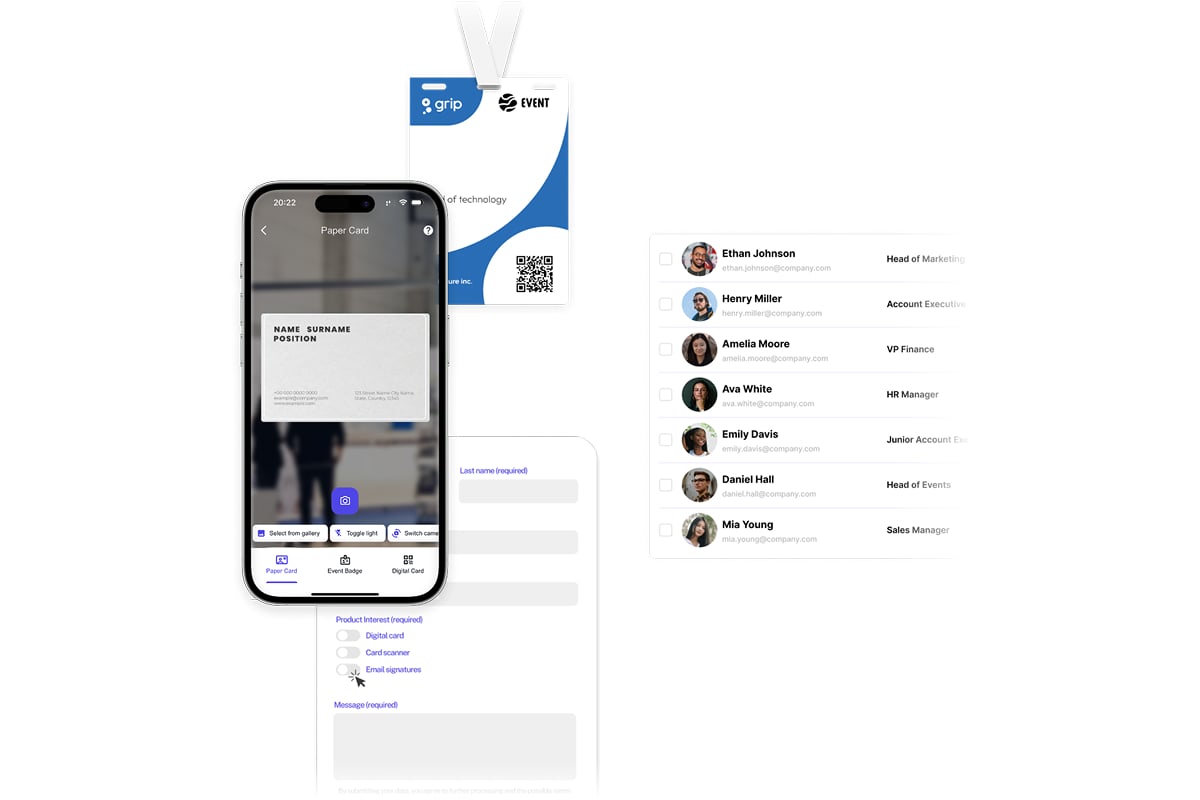
Modern trade show professionals particularly benefit from hybrid approaches. They distribute premium physical cards that make strong first impressions while capturing leads digitally for immediate CRM synchronization. This eliminates manual data entry and ensures no valuable contacts fall through administrative cracks.
At networking events and conferences, the ability to scan business cards, have AI fill in missing details, and sync contacts with CRM platforms transforms follow-up efficiency. Lead capture for events and trade fairs solutions streamline the entire process from initial contact through sales pipeline integration, making the ROI of networking investments immediately visible.

Production Considerations for Premium Results
Selecting the right production partner significantly influences premium business card design outcomes. The best business card printing services in 2025 balance quality, turnaround time, and cost effectiveness while offering diverse premium options.
Research printing providers carefully, examining:
- Available premium stock options and specialty finishes
- Printing technology capabilities (offset, digital, letterpress)
- Sample availability for evaluating actual materials
- Minimum order quantities and pricing breaks
- Turnaround times from approval to delivery
- Customer service responsiveness and design support
Order samples before committing to full production runs. Physical evaluation reveals subtleties that digital proofs cannot communicate. Touch the paper, examine color accuracy, and assess finish quality before investing in quantity.
Quality Control and Approval Processes
Premium business card design demands rigorous quality control. Proofread meticulously, checking for:
- Spelling and grammatical accuracy across all text
- Correct contact information including phone, email, and URLs
- Proper alignment and spacing throughout design
- Color accuracy matching brand specifications
- Finish application on appropriate design elements
Request physical proofs whenever possible, particularly for complex designs involving multiple specialty finishes. Digital proofs show layout and general appearance but cannot replicate tactile elements or specialty printing effects accurately.
Allow adequate production time, especially when incorporating custom finishes or unconventional materials. Rush orders often compromise quality or limit available options. Premium results require patience throughout the production process.
Maintaining Brand Consistency Across Card Design
Premium business card design should integrate seamlessly with broader brand identity systems. Consistency across all touchpoints strengthens recognition and reinforces professional credibility.
Align your card design with:
- Corporate color palettes and brand guidelines
- Typography standards established in other materials
- Logo usage rules regarding sizing and placement
- Overall brand personality and positioning
- Industry-specific expectations and conventions
Companies with established brand guidelines should adhere to specified standards. This ensures business cards complement rather than conflict with websites, marketing collateral, and other branded materials.
Brand Integration Checklist:
- Logo appears in approved format and positioning
- Colors match Pantone or CMYK specifications exactly
- Typography selections align with brand font families
- Design aesthetic reflects overall brand personality
- Messaging tone matches established voice guidelines
For sales teams and larger organizations, centralized design management ensures consistency across all representatives. Template systems allow personalization of contact details while maintaining design standards, preventing brand dilution through individual variations.
Strategic Distribution and Presentation Techniques
Premium business card design deserves equally premium presentation. How and when you share your card influences its impact and recipient perception.
Present cards with intention and care. Remove them from cases or holders that maintain pristine condition. Offer cards with the text facing the recipient for easy reading. In formal settings, present and receive cards with both hands as a sign of respect.
Timing matters significantly. Share business cards at strategic moments during conversations rather than immediately upon introduction. Exchange cards when genuine connection has been established or when someone specifically requests your contact information.
Distribution Best Practices:
- Carry sufficient quantities to networking events
- Store cards in protective cases preventing damage
- Keep cards separate from wallets to avoid bent corners
- Present cards respectfully at appropriate conversation moments
- Follow up promptly after exchanging cards to reinforce connection
Premium materials deserve protection. Damaged or worn cards undermine the quality message premium design communicates. Replace inventory before cards show signs of wear.
Evaluating Premium Business Card Design Effectiveness
Measuring the impact of premium business card design helps justify investment and refine future iterations. While precise ROI calculation presents challenges, several metrics provide valuable insights.
Track conversation conversion rates after adopting premium cards. Do networking interactions more frequently progress to follow-up meetings or business discussions? Qualitative feedback often reveals whether contacts mention or compliment card quality during subsequent communications.
Monitor retention through informal observation. When meeting contacts weeks or months after initial introduction, note whether they still have your card or can quickly locate it. Premium cards typically enjoy higher retention rates than standard alternatives.
Effectiveness Indicators:
- Follow-up response rates from networking contacts
- Comments or compliments about card quality
- Card retention observed in subsequent meetings
- Conversion rates from introduction to business relationship
- Competitive differentiation at networking events
A/B testing provides definitive insights when feasible. Design multiple premium options and distribute them across similar networking contexts. Track which version generates better engagement and follow-through results.
Survey networking contacts directly about their card preferences. Ask which cards from recent events they kept and why. These insights reveal what resonates with your specific target audience.
Premium business card design represents an investment in professional relationships and brand perception that continues delivering returns long after initial exchanges. Whether you choose physical cards with exceptional materials and finishes, digital solutions offering dynamic capabilities, or hybrid approaches combining both advantages, the key lies in aligning quality with strategic objectives. Spreadly delivers premium digital business cards that match the sophistication of traditional premium materials while adding instant sharing, real-time updates, and lead capture capabilities that paper cannot match. Transform your networking effectiveness with solutions designed for modern professionals who value both quality and innovation.