
Modern Business Card Ideas for 2026 Professionals
15 minutes
3rd of July 2026
In this article:
- The Shift Toward Minimalist and Typography-Driven Designs
- Material Innovation and Sustainable Options
- Interactive Elements and Technology Integration
- Color Psychology and Brand Alignment
- Unconventional Shapes and Die-Cut Designs
- Digital Business Cards as Primary Solutions
- Typography Trends and Readability
- Finishing Techniques That Elevate Design
- Industry-Specific Design Considerations
- Layout Strategies for Information Hierarchy
- Balancing Creativity with Professional Credibility
- Incorporating Lead Generation Features
- Multi-Language Considerations for Global Professionals
- Accessibility and Inclusive Design Practices
- Cost-Benefit Analysis of Different Approaches
- Integration with Broader Marketing Strategies
- Analytics and Performance Tracking
- Future-Proofing Your Card Strategy
The business card remains one of the most powerful networking tools in 2026, but the landscape has evolved dramatically. Today's professionals need modern business card ideas that combine striking design with practical functionality, whether physical or digital. From sustainable materials to interactive digital experiences, the options available reflect both aesthetic innovation and technological advancement. Understanding which approach fits your networking style and industry can transform how you make first impressions and maintain professional relationships.
The Shift Toward Minimalist and Typography-Driven Designs
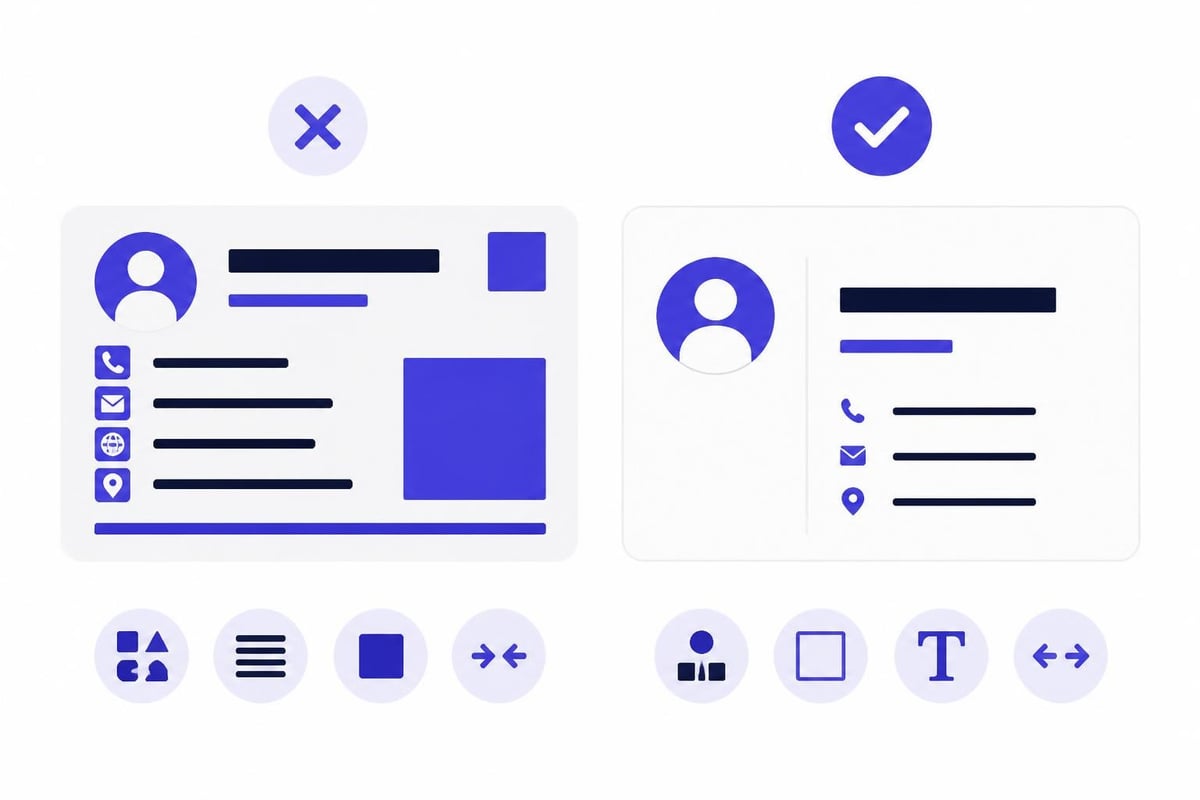
Minimalism continues to dominate modern business card ideas, with professionals embracing clean layouts that prioritize readability and brand clarity. This design philosophy strips away unnecessary elements, focusing attention on essential contact information and visual hierarchy.
Bold typography has emerged as the hero element in contemporary card design. Rather than relying on complex graphics, designers are using striking typefaces to create visual interest and communicate brand personality. Sans-serif fonts in varying weights create contrast and guide the eye naturally through the card's information.
Key Elements of Minimalist Card Design
- Generous white space that prevents visual clutter
- Limited color palettes (typically two to three colors maximum)
- Clear hierarchy with name and title prominently featured
- Strategic use of negative space to create breathing room
- Single focal point that draws immediate attention
The tactile and textured design trends for 2026 emphasize how physical cards can incorporate subtle textures within minimalist frameworks. Embossed text, debossed patterns, or textured paper stocks add dimension without compromising the clean aesthetic.
Material Innovation and Sustainable Options
Modern business card ideas extend beyond design into the materials themselves. In 2026, professionals are choosing cards that reflect environmental consciousness and premium quality simultaneously.
| Material Type | Benefits | Best For |
|---|---|---|
| Recycled Paper | Eco-friendly, cost-effective, variety of textures | Environmentally conscious brands, startups |
| Cotton Stock | Luxurious feel, durable, excellent print quality | Luxury services, premium brands |
| Bamboo/Wood | Unique texture, sustainable, memorable | Eco-brands, architects, designers |
| Plastic (Recycled) | Water-resistant, durable, modern look | Tech companies, outdoor industries |
| Metal | Ultra-premium, extremely durable, unforgettable | Executive level, luxury goods |
Sustainable materials have moved from niche to mainstream. Businesses increasingly recognize that their choice of card material communicates values as much as visual design. Seed paper cards that recipients can plant, recycled ocean plastic cards, and FSC-certified paper options demonstrate corporate responsibility.
Premium materials justify their cost through longevity and impression. A well-crafted metal or wood card rarely ends up in the trash, extending your networking reach far beyond the initial exchange. These materials also provide excellent canvases for techniques like laser engraving or letterpress printing.
Interactive Elements and Technology Integration
Technology has revolutionized modern business card ideas, creating opportunities for engagement that extend far beyond static contact information. QR codes have evolved from optional extras to essential features that bridge physical and digital networking.
Smart Features for Modern Cards
QR code integration allows instant access to digital profiles, portfolios, or booking calendars. Unlike early implementations that looked clunky, today's QR codes can be customized with brand colors and integrated seamlessly into the overall design. Position them strategically where they're visible but don't dominate the layout.
NFC (Near Field Communication) chips embedded in cards enable tap-to-share functionality with smartphones. This technology provides a frictionless experience for tech-savvy professionals and creates a memorable interaction moment. The recipient simply taps their phone to the card, instantly receiving your contact details and any additional information you've programmed.
Augmented Reality (AR) triggers represent the cutting edge of business card innovation. When scanned with a smartphone camera, these cards can display 3D models, video introductions, or interactive portfolios. While not necessary for every industry, AR creates unforgettable experiences for creative professionals, real estate agents, and product designers.
The integration of these technologies with digital business card platforms creates a seamless experience where updates to your digital profile automatically reflect when someone scans your card, eliminating the problem of outdated printed information.
Color Psychology and Brand Alignment
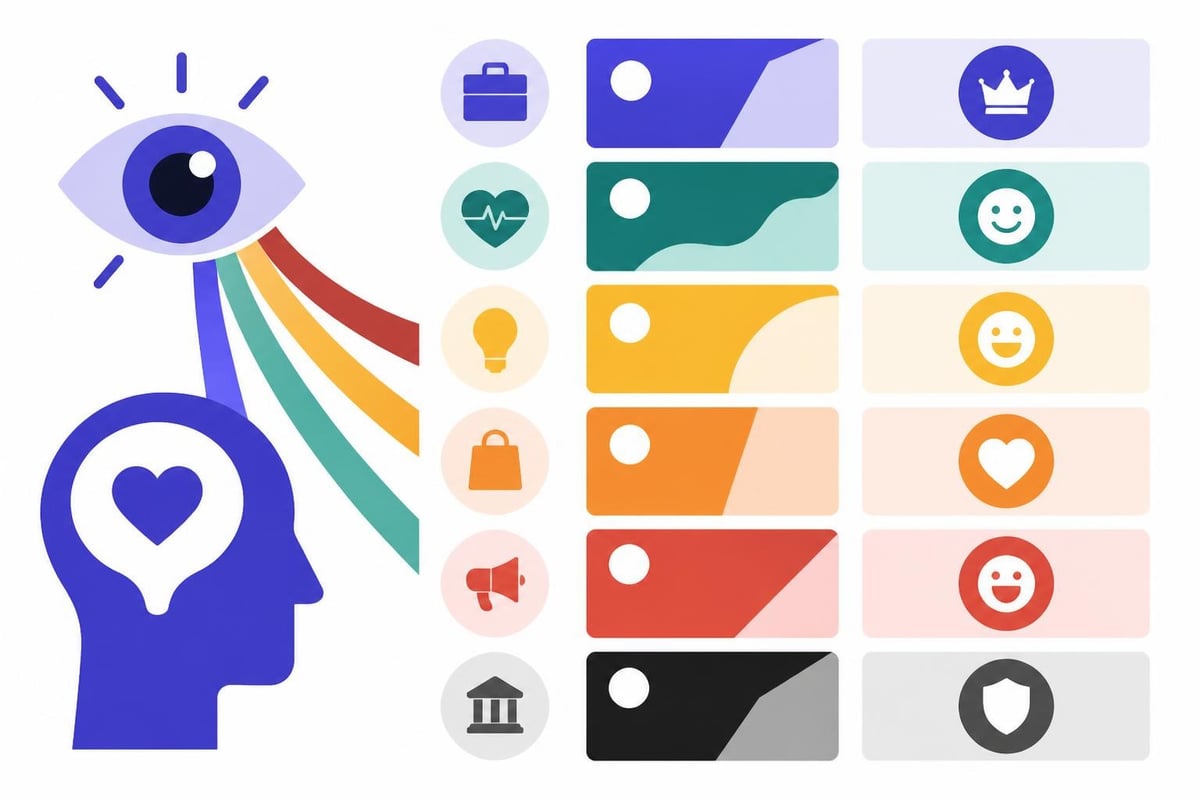
Color choices in modern business card ideas communicate subtle messages about your brand personality and professionalism. Understanding color psychology helps create cards that resonate with your target audience while maintaining visual appeal.
Monochromatic schemes using variations of a single color create sophisticated, cohesive designs. This approach works particularly well for professional services like consulting, legal, or financial industries where subtlety and trustworthiness matter most.
Bold accent colors against neutral backgrounds create memorable cards without overwhelming the design. A single bright color used strategically for logos, borders, or key information draws attention effectively. This technique aligns with modern logo design trends that emphasize adaptable, expressive brand identities.
Gradient backgrounds have made a sophisticated comeback in 2026. Unlike the harsh gradients of previous decades, modern applications use subtle color transitions that add depth without distraction. These work particularly well in tech, creative, and wellness industries.
Unconventional Shapes and Die-Cut Designs
Breaking away from standard rectangular formats represents one of the most distinctive modern business card ideas. Custom shapes immediately differentiate your card from dozens of competitors while reinforcing brand identity.
Die-cut designs can incorporate:
- Rounded corners for a friendly, approachable feel
- Vertical orientation for distinctive shelf presence
- Custom shapes that reflect your industry (houses for real estate, tools for contractors)
- Partial die-cuts that create visual interest without sacrificing functionality
- Folded cards that double available space for information or visuals
Consider practicality alongside creativity. Cards must still fit comfortably in standard wallets and card holders. Extremely unusual shapes risk being discarded because they're difficult to store, defeating the purpose of memorability.
Square cards offer a middle ground between conventional and creative. They stand out in a stack of traditional cards while remaining practical for storage. The format also provides unique layout opportunities, particularly for centered designs or symmetrical arrangements.
Digital Business Cards as Primary Solutions
Among the most transformative modern business card ideas is the shift to completely digital formats. These eliminate printing costs, allow instant updates, and provide analytics on how recipients engage with your information.
Digital cards solve critical pain points in traditional networking. When you change phone numbers, job titles, or companies, digital versions update instantly across everyone who has your card. No more expensive reprints or networking with outdated information.
Advantages of Digital-First Approaches
- Instant sharing via QR code, NFC tap, email, or text message
- Rich media inclusion such as videos, portfolio samples, or booking links
- Environmental sustainability with zero paper waste
- Real-time updates that keep information current automatically
- Analytics tracking showing who viewed your card and when
- Integration capabilities with CRM systems and marketing automation
- Cost efficiency eliminating ongoing printing expenses
For teams and enterprises, digital business cards for teams provide centralized brand control while allowing individual customization. HR systems can automatically provision cards for new hires and update them when employees change roles, ensuring company-wide consistency.
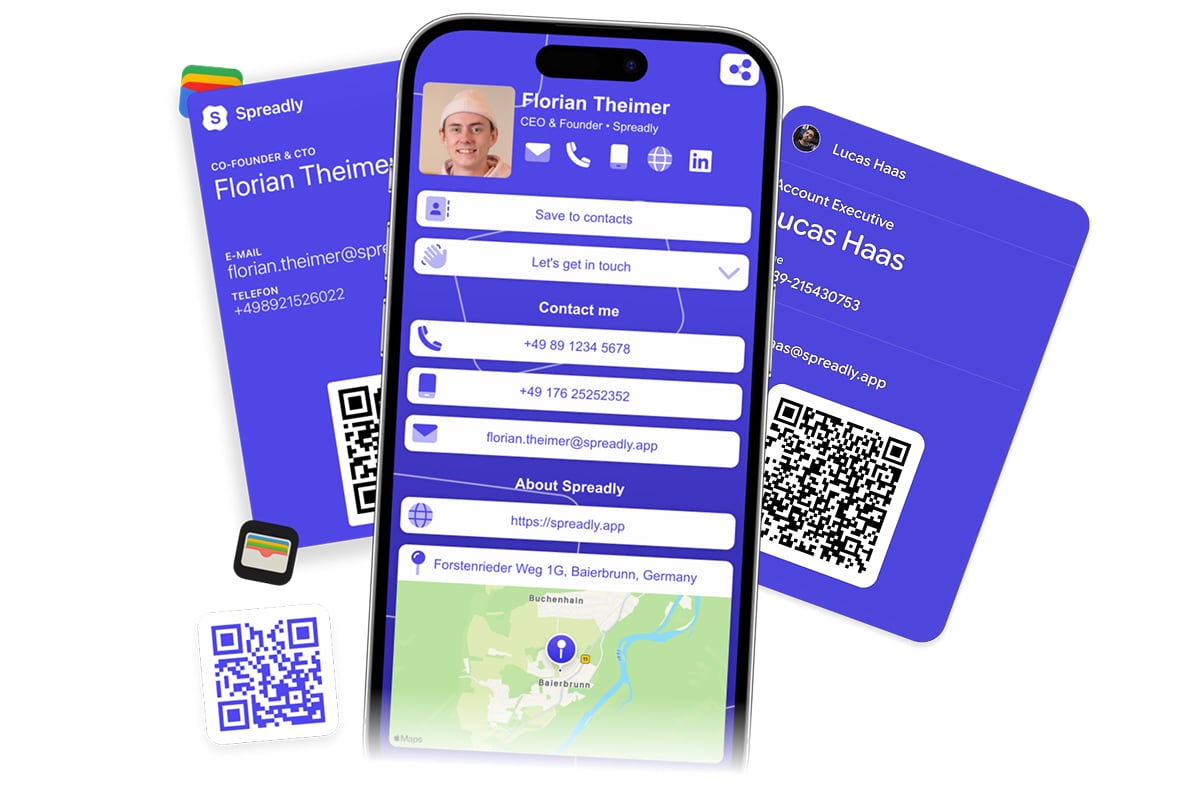
Digital solutions work seamlessly with mobile wallets. Adding cards to Apple Wallet or Google Wallet ensures they're always accessible on smartphones, eliminating the "I'm out of cards" scenario that plagues traditional networking.
Typography Trends and Readability
Typography serves as both functional necessity and design element in modern business card ideas. The fonts you choose communicate personality before a single word is read.
Sans-serif dominance continues in 2026, with clean, geometric typefaces like Helvetica, Futura, and custom branded fonts leading the way. These fonts photograph well in digital contexts and maintain legibility at small sizes.
Custom typography distinguishes premium cards from generic templates. Commissioning a unique typeface or wordmark for your name creates instant recognition and demonstrates commitment to brand identity. This investment makes particular sense for personal brands, executives, and creative professionals.
Hierarchy through typography requires careful planning:
- Name: Largest, most prominent element
- Title/Role: Secondary size, clarifies your position
- Contact information: Smallest but still readable
- Company name: Size varies based on personal versus corporate branding
Avoid typography pitfalls like using more than two font families, setting type below 7 points, or sacrificing readability for aesthetic experimentation. Even the most beautiful card fails if recipients can't easily extract contact information.
Finishing Techniques That Elevate Design
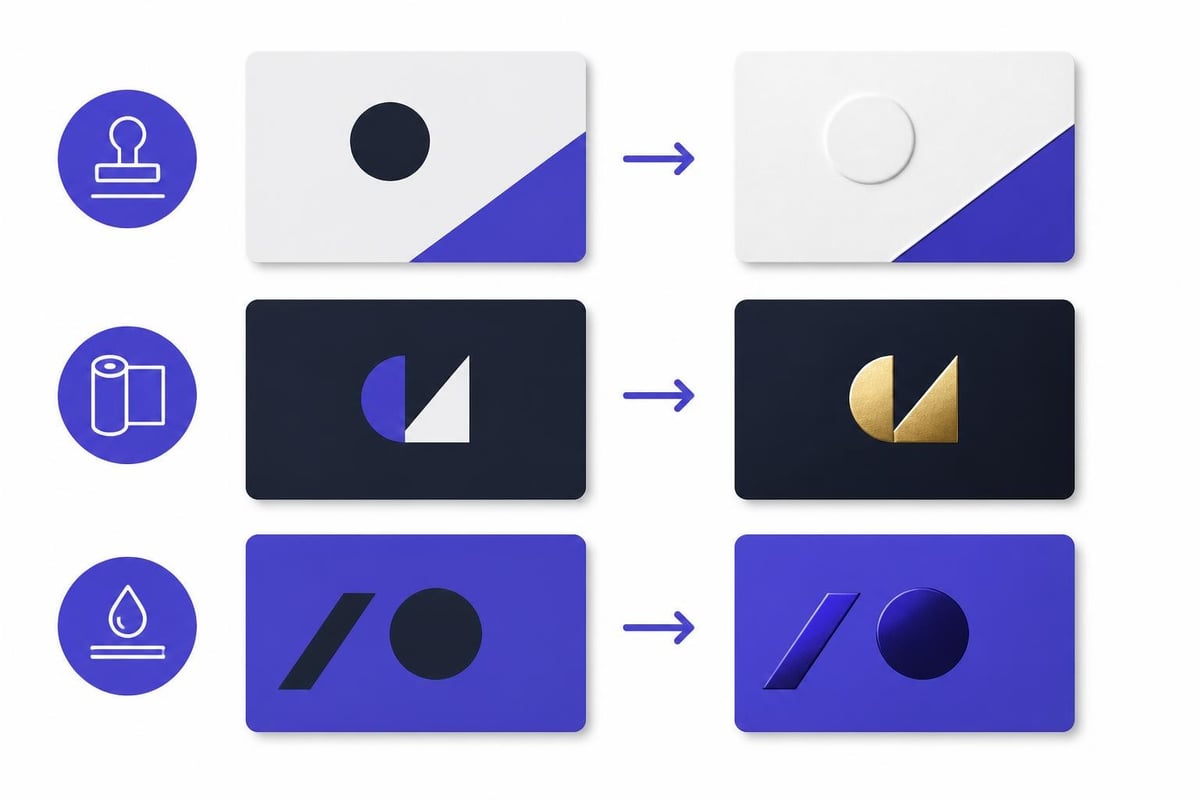
The right finishing techniques transform good modern business card ideas into exceptional ones. These tactile and visual enhancements create sensory experiences that leave lasting impressions.
| Finishing Technique | Effect | Cost Level | Best Applications |
|---|---|---|---|
| Spot UV | Glossy raised areas contrast matte background | Medium | Logos, key text elements |
| Foil Stamping | Metallic shimmer in gold, silver, copper | Medium-High | Premium brands, luxury services |
| Embossing | Raised text or graphics | Medium | Traditional industries, executive cards |
| Debossing | Pressed-in design creates subtle depth | Medium | Minimalist designs, tactile emphasis |
| Edge Painting | Colored edges visible when stacked | Medium | Creative professionals, standout effect |
| Soft-Touch Lamination | Velvety, luxurious feel | Medium | High-end services, memorable texture |
Combining finishing techniques requires restraint. Using too many treatments creates visual chaos rather than sophistication. Select one or two techniques that enhance your core design rather than competing with it.
The business card design trends for 2026 emphasize thoughtful application of these finishes to support brand messaging rather than distraction.
Industry-Specific Design Considerations
Different industries require tailored approaches to modern business card ideas. What works for creative agencies might appear unprofessional in financial services, and vice versa.
Creative Industries (design, advertising, photography):
- Bold experimentation with shape, color, and materials
- Portfolio integration through QR codes or AR
- Artistic typography and unique layouts
- Premium finishes that demonstrate design expertise
Professional Services (law, consulting, finance):
- Conservative color palettes (navy, gray, black)
- Traditional layouts with clear hierarchy
- Premium paper stocks suggesting quality
- Subtle finishing techniques like embossing
Technology and Startups:
- Clean, modern aesthetics reflecting innovation
- Strong integration with digital platforms
- QR codes prominently featured
- Contemporary typography and minimal designs
Retail and Hospitality:
- Welcoming colors and approachable designs
- Loyalty program integration
- Clear calls-to-action
- Contact methods prominently displayed
Understanding these industry norms doesn't mean following them rigidly. Successful modern business card ideas balance industry expectations with distinctive personal or brand elements that create memorability within appropriate boundaries.
Layout Strategies for Information Hierarchy
Effective layout transforms modern business card ideas from mere contact repositories into strategic marketing tools. How you organize information determines whether recipients can quickly grasp who you are and how to reach you.
Front and back considerations require strategic thinking. Many designers place branding and visual elements on the front, reserving the back for contact information. This approach creates visual impact while maintaining practical functionality.
Single-sided minimalism appeals to those embracing extreme simplicity. Essential information only, generous white space, and a single focal point characterize this approach. It works best when digital integration (QR codes) handles extended information.
Information priority should follow this general hierarchy:
- Name (your personal brand)
- Title/specialization (what you do)
- Company name (who you represent)
- Primary contact method (phone or email)
- Secondary contact methods (website, social media)
- Physical address (if relevant)
The rise of remote work in 2026 has made physical addresses less critical for many professionals. Consider whether including an office address adds value or simply clutters the design.
Alignment choices impact perception. Centered text suggests formality and tradition, while left-aligned layouts feel contemporary and accessible. Right-aligned text creates unexpected visual interest but can reduce readability.
Balancing Creativity with Professional Credibility
The most successful modern business card ideas achieve equilibrium between memorable design and professional appropriateness. Pushing creative boundaries demonstrates confidence and innovation, but going too far risks appearing unprofessional or gimmicky.
Testing your design with colleagues and target audience members provides valuable perspective before committing to a print run. Show cards to people who don't know you and ask what impressions they form about your professionalism and industry.
Context matters significantly. A folded card shaped like a pizza slice might work brilliantly for a creative pizzeria owner but would undermine a corporate attorney's credibility. Assess whether creative choices enhance or detract from your professional positioning.
Longevity versus trendiness requires careful consideration. While incorporating current design trends keeps cards feeling fresh, overly trendy choices may appear dated within months. Balance contemporary elements with classic design principles that age well.
The best online business card printing services in 2026 offer proof printing and sample packs that allow you to evaluate design decisions before full production, reducing expensive mistakes.
Incorporating Lead Generation Features
Modern business card ideas increasingly serve as lead generation tools rather than simple contact exchanges. Strategic features transform passive cards into active marketing instruments.
Calls-to-action guide recipients toward desired next steps. Rather than hoping someone will eventually reach out, direct them to specific actions like "Schedule a consultation at [URL]" or "Download our free guide at [QR code]."
Incentive inclusion on cards motivates action. Special discount codes, free trial offers, or exclusive access to resources reward recipients for following up. This approach works particularly well in retail, services, and B2B sales contexts.
Lead capture technology integrated into digital cards provides immediate value exchange. Built-in contact forms, calendar booking links, and downloadable resources positioned on digital cards create frictionless pathways from introduction to conversion. This technology allows you to gather prospect information while providing value, creating mutual benefit from the first interaction.
For professionals attending trade shows, conferences, or networking events regularly, digital cards with integrated lead capture eliminate the manual data entry that typically delays follow-up. Information flows directly into your CRM, enabling immediate engagement while the interaction remains fresh.
Multi-Language Considerations for Global Professionals
Professionals working across international markets need modern business card ideas that accommodate multiple languages without compromising design integrity. Several approaches address this challenge effectively.
Dual-sided language cards dedicate each side to a different language. One side might feature English while the reverse displays Chinese, Spanish, or another relevant language. This approach works well for professionals regularly working in two specific markets.
Regional variations using the same core design but different language versions allow customization based on where you're networking. Order smaller quantities of each variation rather than one large generic run.
Digital solutions elegantly solve multi-language challenges through language selection features. Recipients can choose their preferred language when viewing your digital card, seeing all information in their native tongue without requiring multiple physical versions.
Universal symbols like phone icons, email icons, and social media logos transcend language barriers. Incorporate these to aid comprehension regardless of language proficiency.
Accessibility and Inclusive Design Practices
Inclusive modern business card ideas ensure all recipients can access and use your contact information effectively. Accessibility considerations demonstrate professionalism and expand your networking reach.
Color contrast matters significantly for readability, particularly for people with visual impairments. Ensure sufficient contrast between text and background colors. Black or dark gray on white provides optimal readability, while light colors on light backgrounds create accessibility barriers.
Font size minimum should never drop below 8 points for primary information. Consider that many networking environments have poor lighting, making smaller text nearly impossible to read. Larger type also aids recipients who are older or have vision challenges.
Alternative formats provide options for different needs. Some organizations offer braille embossed cards or cards with larger print specifically for accessibility. Digital cards with screen-reader compatibility ensure information is accessible to blind or low-vision professionals.
Clear information labeling helps everyone, not just those with accessibility needs. Rather than assuming recipients will understand icons alone, pair symbols with text labels ("Email:", "Phone:", "Website:").
Cost-Benefit Analysis of Different Approaches
Evaluating modern business card ideas requires understanding cost implications across various options. Budget considerations influence material choices, quantities, and digital versus physical decisions.
Print-on-demand services have revolutionized small-quantity ordering. Rather than minimum orders of 500 or 1,000 cards, professionals can order exactly what they need. This flexibility particularly benefits those whose contact information changes frequently or who want to test designs before large investments.
Bulk traditional printing remains cost-effective for larger quantities and simple designs. Standard size, standard materials, and straightforward printing techniques keep per-unit costs low when ordering 500+ cards.
Premium materials and finishes dramatically increase costs but create proportionally stronger impressions. Metal cards might cost $5-15 each compared to $0.20 for standard paper, but the memorability and perceived value often justify the investment for executives and luxury brands.
Digital cards eliminate ongoing printing costs entirely. While premium digital platforms charge subscription fees, these typically cost less annually than multiple print runs of traditional cards. The ability to update information without reprinting provides substantial long-term savings.
| Approach | Initial Cost | Ongoing Cost | Update Flexibility | Environmental Impact |
|---|---|---|---|---|
| Standard Print | Low | Medium | None (reprint needed) | Moderate |
| Premium Print | Medium-High | Medium | None (reprint needed) | Moderate-High |
| Print-on-Demand | Low-Medium | Low | Easy (small reorders) | Low-Moderate |
| Digital Card | Very Low | Low (subscription) | Instant | Very Low |
Integration with Broader Marketing Strategies
The most effective modern business card ideas align seamlessly with comprehensive marketing strategies rather than existing in isolation. Your card should reinforce brand elements present across websites, social media, email signatures, and other touchpoints.
Visual consistency across marketing materials strengthens brand recognition. Use the same color palettes, typography choices, and logo treatments on your card as appear in your other marketing assets. This consistency creates professional cohesion and reinforces brand memory.
Message alignment ensures your card communicates the same value propositions and brand personality as your other marketing. If your website emphasizes innovation and cutting-edge solutions, traditional conservative card design creates cognitive dissonance.
Campaign integration can make business cards active marketing tools. Include campaign-specific QR codes, unique landing pages, or special offers that connect card distribution to measurable marketing objectives.
Social proof elements like awards, certifications, or notable client logos add credibility when space permits. These elements transform your card from simple contact information into a mini-portfolio demonstrating achievements and qualifications.
The creative business card ideas gaining traction in 2026 emphasize this integrated approach, viewing cards as one element within cohesive brand ecosystems rather than standalone items.
Analytics and Performance Tracking
Understanding which modern business card ideas deliver actual networking results requires measurement capabilities that traditional paper cards cannot provide. Digital solutions enable tracking that informs strategy refinement.
View analytics show when and how often recipients access your card information. This data indicates whether cards distributed at specific events or to particular audiences generate engagement. Low view rates might suggest your call-to-action needs strengthening or your distribution strategy requires adjustment.
Contact information clicks reveal which communication methods recipients prefer. If everyone clicks your email address but nobody calls your phone number, you might emphasize email more prominently in future designs or reconsider whether including a phone number is necessary.
Link tracking on digital cards shows which additional resources generate interest. If your portfolio link receives heavy traffic while your calendar booking link sits unused, you gain insights into how recipients want to engage with you.
Geographic data helps international professionals understand where their networking efforts gain traction. This information can inform decisions about language versions, regional marketing focus, and travel priorities.
Conversion attribution connects card distribution to actual business results when integrated with CRM systems. Track which contacts originated from business card exchanges versus other sources, measuring the ROI of your networking efforts quantitatively.
Future-Proofing Your Card Strategy
Selecting modern business card ideas that remain relevant as technology and design trends evolve requires forward-thinking approaches. While staying current matters, building adaptability into your strategy prevents constant overhauls.
Platform-independent digital solutions avoid tying your networking to specific apps or technologies that may become obsolete. Choose approaches that work across devices and operating systems without requiring recipients to download special software.
Classic design foundations with contemporary touches age better than trendy designs. A well-executed minimalist card with quality typography remains effective longer than a design built entirely around fleeting aesthetic trends.
Modular information architecture allows updates without complete redesigns. If your core visual brand remains consistent while specific contact details or job titles change, you can make targeted updates rather than starting from scratch.
Hybrid approaches combining physical and digital elements provide flexibility as networking norms evolve. A traditionally printed card with an integrated QR code bridges both worlds, remaining functional whether technology adoption accelerates or people maintain preferences for physical exchanges.
The premium business card trends for 2026 suggest that successful strategies will increasingly blend traditional craftsmanship in physical cards with sophisticated digital capabilities, creating complementary rather than competing solutions.
Modern business cards have evolved far beyond simple contact information rectangles into strategic networking tools that reflect your brand, values, and professional positioning. Whether you choose minimalist printed cards with premium finishes, unconventional materials that create tactile experiences, or fully digital solutions that update instantly and provide analytics, the key is aligning your choice with your industry, personal brand, and networking style. Spreadly eliminates the traditional limitations of business cards by offering customizable digital solutions that share instantly via QR code, NFC, or mobile wallets, include rich media and lead capture capabilities, and update in real time without reprinting. Create your modern digital business card in under two minutes and transform how you network in 2026.