Personal Calling Cards Templates: Design Guide 2026
10 minutes
7th of July 2026
In this article:
- Understanding Personal Calling Cards Templates in the Modern Era
- Design Principles for Professional Templates
- Template Customization Strategies
- Digital Alternatives and Hybrid Approaches
- Industry-Specific Template Considerations
- Printing Options and Quality Considerations
- Template Customization Tools and Platforms
- Maintaining Template Effectiveness Over Time
- Advanced Template Features for 2026
- Accessibility Considerations in Template Design
Personal calling cards have evolved far beyond their traditional role as simple contact sharing tools. In 2026, personal calling cards templates serve as powerful networking instruments that blend classic etiquette with modern design principles and digital capabilities. Whether you're a freelancer building your brand, a sales professional expanding your network, or an entrepreneur making memorable first impressions, the right template can elevate your professional presence and ensure your contact information reaches the right people at the right time.
Understanding Personal Calling Cards Templates in the Modern Era
Personal calling cards templates represent pre-designed frameworks that simplify the creation process while maintaining professional standards. Unlike business cards that emphasize company branding, personal calling cards focus on individual identity and contact accessibility.
The modern template landscape offers unprecedented flexibility. You can choose from minimalist designs that emphasize white space and clean typography, or more expressive layouts that incorporate color, patterns, and visual elements that reflect your personality. The key is selecting a foundation that aligns with your professional goals while remaining adaptable to future needs.
Key Components Every Template Should Include
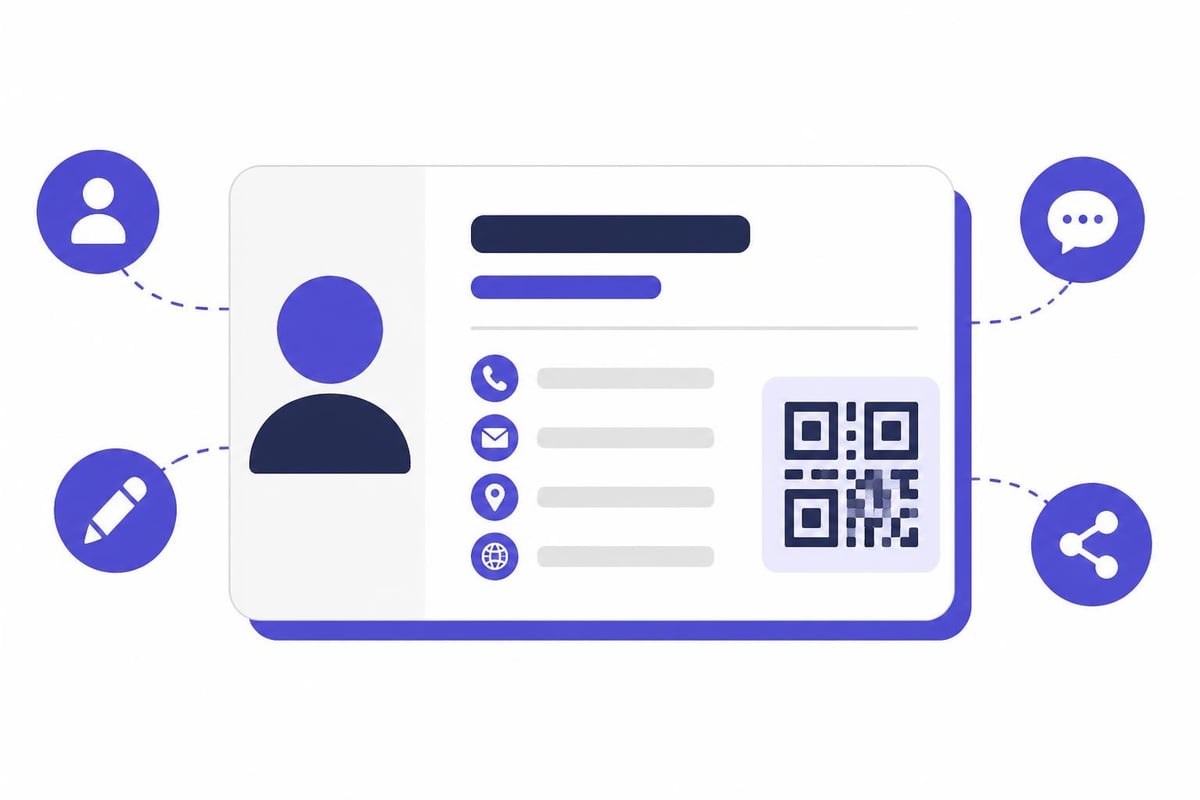
Effective personal calling cards templates incorporate specific elements that maximize usability and impact:
- Full name prominently displayed with clear hierarchy
- Primary contact method (phone, email, or preferred communication channel)
- Professional title or tagline that immediately communicates your value
- Secondary contact options including social media handles or website
- Visual breathing room to prevent cluttered, unprofessional appearance
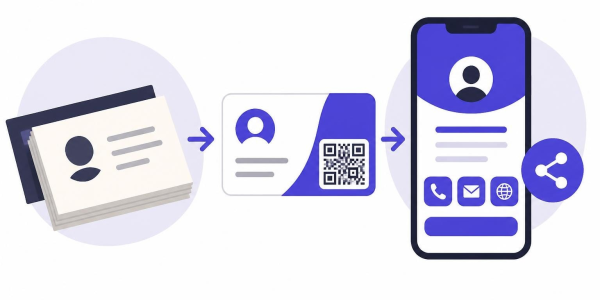
Many professionals now include QR codes in their templates, bridging the gap between physical and digital networking. This addition allows recipients to instantly save contact information to their devices, increasing the likelihood of follow-up connections.
Design Principles for Professional Templates
Creating or customizing personal calling cards templates requires understanding fundamental design principles that ensure readability and visual appeal. Typography, color contrast, and layout considerations significantly impact how recipients perceive your professionalism.
Font selection deserves careful attention. Limit your template to two complementary typefaces: one for your name (potentially a distinctive serif or elegant sans-serif) and another for supporting information. Avoid decorative fonts that sacrifice legibility for style. Body text should never fall below 8-point size, while your name typically benefits from 14-18 point sizing for immediate recognition.
Color choices communicate subtle messages about your personal brand. Conservative industries often favor neutral palettes with one accent color, while creative fields allow for bolder combinations. The 60-30-10 rule provides a reliable framework: use your dominant color for 60% of the design, a complementary shade for 30%, and an accent color for the remaining 10% to draw attention to key elements.
Technical Specifications for Print-Ready Templates
When working with personal calling cards templates intended for physical printing, technical precision prevents costly mistakes and ensures professional results.
| Specification | Requirement | Purpose |
|---|---|---|
| Resolution | 300 DPI minimum | Sharp, clear printing |
| Color Mode | CMYK | Accurate color reproduction |
| Bleed Area | 3mm around edges | Prevents white borders |
| Safe Zone | 3mm from trim | Protects critical information |
| File Format | PDF or AI | Professional printing compatibility |
Understanding bleed margins and safe zones protects your design from common printing issues. Text or logos positioned too close to edges risk getting cut off during the trimming process, creating an unprofessional appearance that undermines your networking efforts.
Template Customization Strategies
The most effective personal calling cards templates balance structure with personalization. Pre-designed templates provide professional frameworks, but customization transforms them into authentic representations of your individual brand.
Start by evaluating templates based on your industry context. A financial consultant might select a template with clean lines and conservative typography, while a photographer could embrace layouts that incorporate portfolio imagery or creative typography. Various industries benefit from different approaches to template selection and customization.
Personalization Without Overwhelming Design
Strategic customization enhances templates without creating visual chaos:
- Replace placeholder text with your authentic contact information and professional positioning
- Adjust color schemes to align with your existing brand materials or website
- Incorporate subtle personal elements such as a professional headshot or personal logo
- Modify spacing and hierarchy to emphasize your most important contact methods
- Test readability across different lighting conditions and at arm's length
Remember that personal calling cards templates should prioritize information accessibility over decorative elements. Every design choice should serve a functional purpose, whether that's improving readability, reinforcing brand recognition, or facilitating quick contact saving.
Digital Alternatives and Hybrid Approaches
While traditional printed cards remain valuable, 2026's networking landscape increasingly favors digital solutions that offer dynamic updating capabilities and richer information sharing. Digital personal calling cards eliminate many limitations of physical templates while providing analytics and integration capabilities.
For teams and individuals seeking centrally managed solutions, digital business cards for teams offer template consistency while allowing personalization for each team member. These platforms ensure brand alignment while maintaining individual contact accuracy.
Benefits of Digital Template Platforms
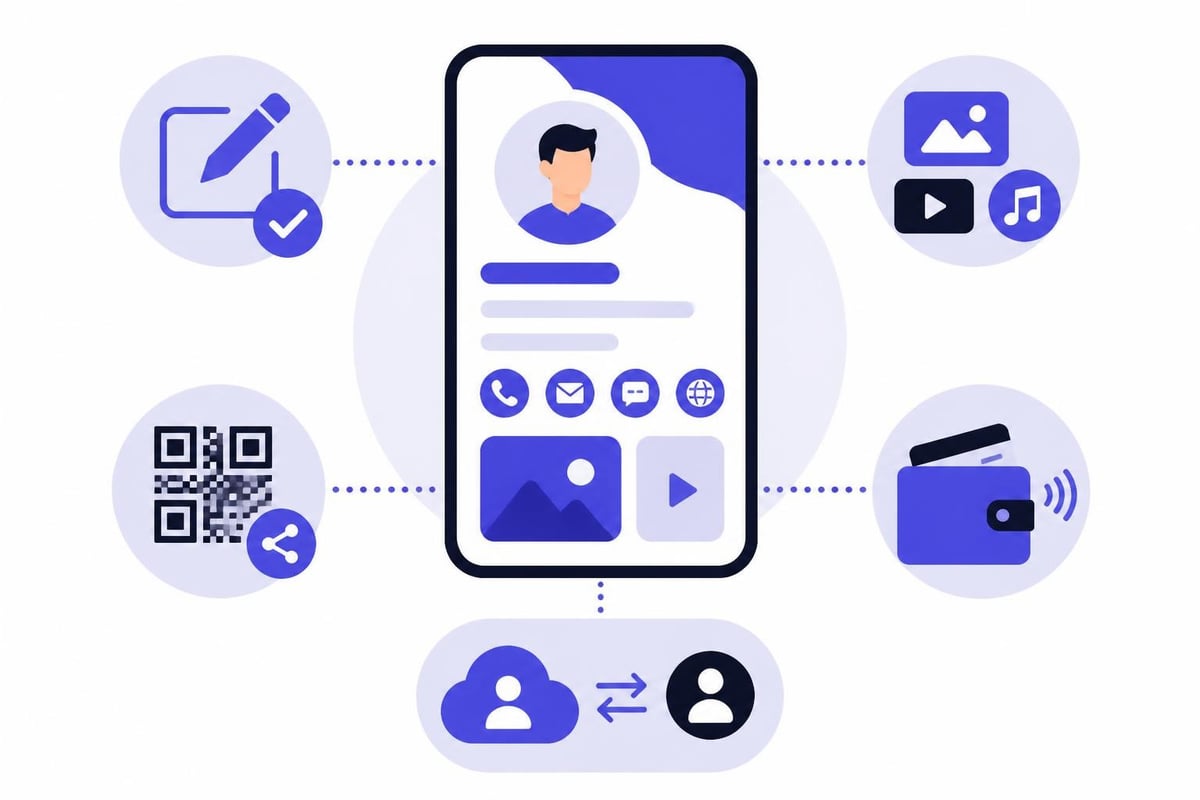
Digital platforms transform how personal calling cards templates function in professional contexts:
- Real-time updates eliminate the cost and waste of reprinting when contact information changes
- Rich media integration allows inclusion of videos, portfolios, or product catalogs
- Analytics tracking reveals who viewed your card and when, enabling strategic follow-up
- Multiple sharing methods including QR codes, NFC, email signatures, and direct links
- Environmental sustainability reduces paper waste while maintaining networking effectiveness
The hybrid approach combines the tactile impact of physical cards with digital convenience. Many professionals now use printed cards featuring QR codes that link to comprehensive digital profiles, effectively using personal calling cards templates as gateways to deeper engagement.
Industry-Specific Template Considerations
Different professional contexts require adapted approaches to personal calling cards templates. Understanding industry expectations helps you select and customize templates that resonate with your target audience.
Creative professionals benefit from templates that showcase design sensibility without overwhelming core contact information. Including a small portfolio sample or creative tagline demonstrates capabilities while maintaining professional standards. Design principles for visual impact emphasize the importance of white space and strategic color use.
Sales and business development professionals require templates optimized for quick information transfer and follow-up facilitation. Including scheduling links or direct calendar integration accelerates the path from introduction to meeting. Lead capture capabilities transform calling cards from passive information sharing to active relationship building tools.
Compliance and Professional Standards
Certain industries impose specific requirements on personal calling cards templates:
| Industry | Common Requirements | Template Implications |
|---|---|---|
| Legal | Professional designations, bar numbers | Formal typography, structured layout |
| Healthcare | Credentials, privacy statements | Clear hierarchy, compliance text |
| Finance | Regulatory disclosures, licenses | Conservative design, required information |
| Real Estate | License numbers, fair housing logos | Room for mandatory elements |
Researching industry standards before finalizing your template prevents compliance issues and demonstrates professional awareness. When in doubt, err on the side of conservative, information-focused designs that prioritize clarity over creativity.
Printing Options and Quality Considerations
Once you've customized your personal calling cards templates, selecting the appropriate printing method and materials ensures your physical cards reflect the quality of your professional services.
Paper stock selection significantly impacts perception. Standard 14-point cardstock offers durability for everyday networking, while 16-point or 18-point stock communicates premium positioning. Specialty finishes like matte, glossy, or soft-touch coatings add subtle differentiation, though matte typically provides the best writability for handwritten notes.
Printing methods range from affordable digital printing for smaller quantities to offset printing for larger orders. Digital printing has advanced considerably, offering quality nearly indistinguishable from offset for most personal calling cards templates. For specialty effects like foil stamping, embossing, or edge painting, specialized printers deliver distinctive results that make lasting impressions.
Quantity and Distribution Strategy
Order quantities should align with your networking frequency and information stability:
- Frequent networkers (attending multiple events monthly) benefit from 500-1,000 card orders
- Occasional professionals may prefer 250-card orders to maintain freshness
- Career transitioners should order conservatively (100-250 cards) to allow for role changes
- Established professionals with stable contact information can confidently order larger quantities
Consider geographic distribution needs as well. If you network across multiple locations, ensure adequate supply in each area to avoid missed opportunities.
Template Customization Tools and Platforms
Various platforms offer personal calling cards templates with different levels of customization capability. Understanding available tools helps you select the approach that matches your technical comfort and design ambitions.
Online template platforms provide browser-based editors that require no design software expertise. These services offer drag-and-drop customization, instant preview capabilities, and direct ordering integration. Most include template libraries organized by industry, style, or color scheme, simplifying the selection process.
Professional design software like Adobe Illustrator or InDesign provides maximum control for those with design experience. Starting with professionally designed templates in these platforms allows advanced customization while maintaining proper file specifications. Step-by-step creation guides walk through the process of building cards from scratch or adapting templates.
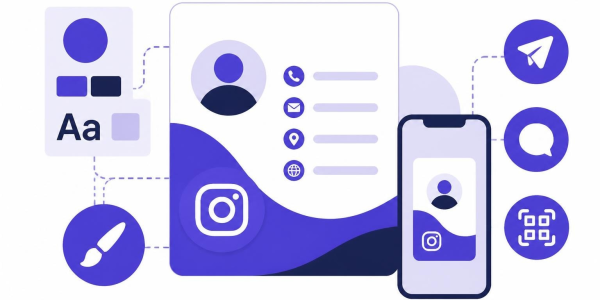
<image_prompt alt="Template customization workflow">Personal calling card template customization process: selecting base design, adding personal information, adjusting colors and fonts, preview testing, and finalizing for print or digital use</image_promise>
Mobile-First Template Design
With increasing numbers of professionals working primarily from mobile devices, mobile-optimized template design has become essential. This applies both to creating templates on mobile devices and ensuring digital versions display correctly across screen sizes.
Responsive design principles ensure your digital personal calling cards templates adapt seamlessly to smartphones, tablets, and desktop browsers. Text remains readable without zooming, tap targets meet minimum size requirements, and critical information appears above the fold on smaller screens.
Maintaining Template Effectiveness Over Time
Personal calling cards templates require periodic evaluation and updating to maintain relevance and effectiveness. Professional circumstances change, contact methods evolve, and design trends shift, all requiring template reassessment.
Annual reviews provide opportunities to refresh designs without constant reprinting. During these reviews, consider whether your current template still aligns with your professional positioning, if contact information remains accurate, and whether design elements feel current or dated.
Digital solutions simplify this maintenance considerably. Platforms offering free digital business cards allow instant updates that propagate across all sharing methods, ensuring recipients always access current information regardless of when they received your card.
Tracking Template Performance
Measuring how effectively your personal calling cards templates facilitate networking helps refine future iterations:
- Follow-up rate: What percentage of recipients contact you after receiving your card?
- Recognition speed: How quickly do people locate your contact information when needed?
- Information accuracy: Do recipients have questions about contact methods or availability?
- Sharing frequency: How often do others forward or share your digital card?
- Design feedback: What comments do you receive about your card's appearance?
These metrics inform template selection and customization decisions, creating a continuous improvement cycle that enhances networking effectiveness over time.
Advanced Template Features for 2026
Modern personal calling cards templates increasingly incorporate advanced features that traditional designs couldn't support. Understanding these capabilities helps you future-proof your networking toolkit.
NFC integration allows cards to trigger actions when tapped against smartphones, instantly opening contact saving interfaces, website links, or portfolio pages. This technology bridges physical and digital networking with zero friction, though it requires compatible printing services that embed NFC chips within card stock.
Dynamic QR codes represent another advancement, pointing to content you can update without reprinting physical cards. Unlike static QR codes that permanently link to fixed information, dynamic codes allow you to modify destination content, making physical cards with embedded codes remain relevant despite information changes.
Interactive Digital Templates
Digital personal calling cards templates now support interactive elements that static designs cannot accommodate:
- Embedded scheduling links that allow immediate meeting booking
- Video introductions that convey personality and communication style
- Portfolio galleries showcasing work samples or case studies
- Social proof elements including testimonials or achievement badges
- Lead capture forms that gather recipient information for mutual connection
These features transform calling cards from one-way information sharing to two-way engagement tools that actively facilitate relationship development.
Accessibility Considerations in Template Design
Professional calling cards templates should accommodate diverse audiences, including individuals with visual impairments or reading difficulties. Accessible design demonstrates consideration and expands your networking reach.
Contrast ratios between text and background should meet WCAG 2.1 standards, with minimum ratios of 4.5:1 for normal text and 3:1 for large text. Many otherwise attractive templates fail this basic accessibility test, limiting readability for significant portions of your audience.
Font choices impact readability beyond aesthetic appeal. Sans-serif fonts typically offer better legibility at small sizes than serif options, though well-designed serif faces work effectively for names and headlines. Avoid script or decorative fonts for contact information, as these create unnecessary reading barriers.
Typography sizing requires particular attention. While space constraints tempt designers toward smaller fonts, information that recipients cannot read provides no networking value. Maintaining minimum 8-point sizing for all text, with 10-point or larger for critical contact details, ensures universal accessibility.
Personal calling cards templates combine design excellence with strategic information architecture to create powerful networking tools that reflect your professional identity while facilitating meaningful connections. Whether you choose traditional printed cards, embrace fully digital solutions, or blend both approaches, the right template foundation accelerates relationship building and ensures your contact information reaches those who matter most. Spreadly makes this process effortless with modern digital business cards that update instantly, share across multiple channels, and work seamlessly for individuals and teams alike-all without requiring design expertise or printing delays.